Are you ready to give your windows a fresh new look but unsure how to measure curtains correctly? Getting the right measurements is the first step to transforming your space with beautiful, well-fitting curtains.
If your curtains are too short, too narrow, or just don’t hang right, they can ruin the entire room’s vibe. But don’t worry—measuring curtains for your windows is easier than you think. In this guide, you’ll learn simple, clear steps to measure like a pro, so your curtains fit perfectly every time.
Keep reading, and you’ll soon have the confidence to pick the perfect curtains that make your room shine.
Choosing Curtain Style
Choosing the right curtain style is key to enhancing your window’s look. It affects light, privacy, and room feel. Curtains come in many styles, each fitting different needs and tastes. Picking the best style helps your room look balanced and cozy.
Consider the room’s purpose and how much light you want to block or let in. Some curtains add softness, while others bring structure. Knowing the style options makes it easier to find the perfect fit for your space.
Types Of Curtains
Sheer curtains let light pass through softly. They work well in living rooms or kitchens. Blackout curtains block most light and add privacy. Ideal for bedrooms or media rooms. Thermal curtains help keep rooms warm or cool. They save energy and reduce noise. Rod pocket curtains have a simple, gathered top. Easy to hang and classic in style. Grommet curtains slide smoothly on the rod. They offer a modern, clean look. Tab top curtains have loops of fabric at the top. These add a casual and decorative touch.
Matching Curtains To Room Decor
Choose curtain colors that blend with your wall and furniture. Light colors open up small rooms and feel fresh. Dark colors add drama and warmth to larger spaces. Patterns can add interest but keep scale in mind. Large prints suit big rooms; small prints fit cozy spaces. Fabric texture affects the room’s mood. Smooth fabrics look modern. Heavy fabrics feel traditional and rich. Match curtain style to your furniture style. Soft curtains suit classic or rustic rooms. Crisp curtains fit modern or minimalist decor.

Credit: twopagescurtains.com
Tools Needed For Measuring
Measuring curtains for a window needs the right tools. Using proper tools helps get the size right. It makes the process simple and accurate. Here are the tools you need for measuring curtains.
Measuring Tape Essentials
A good measuring tape is the main tool for this job. Choose a tape that is at least 10 feet long. It should be flexible but not stretch. Use a tape with clear, easy-to-read numbers. Metal tapes are best for straight, flat surfaces. Make sure the tape has both inches and centimeters. This helps with precise measurement.
Additional Tools
A pencil and paper are useful to note down measurements. A step stool or ladder can help reach high windows. A level tool helps check if measurements are straight. A helper can hold the tape for better accuracy. Use a cloth or soft tool to avoid scratching walls or windows.
Measuring Width
Measuring the width of your curtains is a key step in getting the right fit. Accurate width measurements ensure your curtains cover the window properly and look balanced. It helps avoid curtains that are too narrow or too wide. This section explains how to measure the window frame and how to add extra width for fullness.
Measuring Window Frame
Start by measuring the width of the window frame itself. Use a steel tape measure for the best accuracy. Measure from one inside edge of the frame to the other. Take the measurement at the top, middle, and bottom of the frame. Use the largest measurement to avoid curtains that are too tight. This ensures the curtains fully cover the window.
Adding Extra Width For Fullness
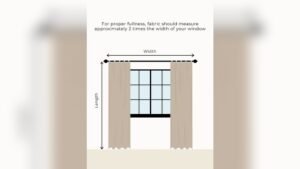
Curtains look better with some extra width beyond the frame. Adding extra width creates fullness and soft folds. For a standard look, add 10 to 15 centimeters (4 to 6 inches) on each side. For a more gathered, luxurious look, add up to 25 centimeters (10 inches) per side. This extra fabric helps the curtains hang nicely and block more light.
Measuring Length
Measuring the length of curtains is important to get the right fit for your window. Curtains that are too short or too long can look odd and affect the room’s style. Knowing how to measure correctly helps you choose curtains that hang well and look beautiful.
Determining Curtain Length Options
Curtains come in different lengths. The most common are sill length, apron length, and floor length. Sill length stops at the window sill. Apron length goes a few inches below the sill. Floor length reaches the floor or just above it. Pick the style that matches your room’s look and function.
Measuring From Curtain Rod To Floor
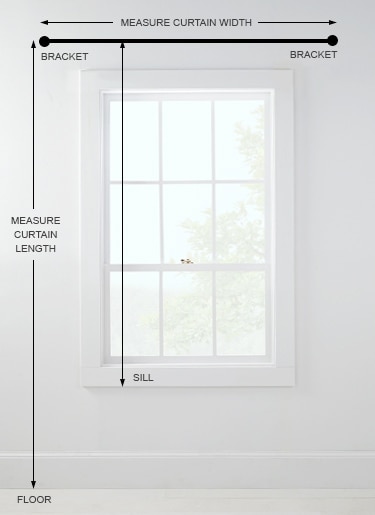
Use a tape measure to find the curtain length. Start at the curtain rod or bracket. Measure straight down to the floor. Write down this number. This measurement helps pick curtains that hang perfectly. Avoid measuring from the top of the window frame. Always measure from where the curtains will hang.
Considering Curtain Rod Placement
Considering curtain rod placement is key to measuring curtains correctly. The rod’s position affects both the look and function of your window treatment. Proper placement ensures curtains hang well and cover the window properly. It also impacts how much natural light enters the room.
Measure with the rod’s position in mind. This helps you choose the right curtain size for style and coverage. Focus on two main aspects: height above the window and how far the rod extends beyond the frame.
Height Above Window
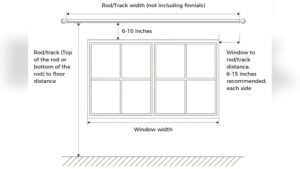
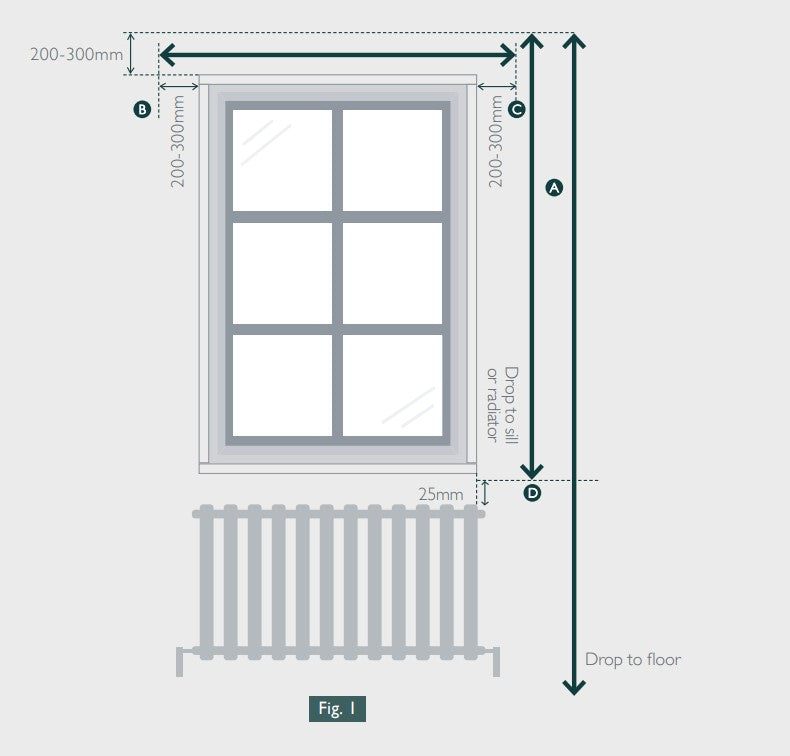
Place the rod higher than the window frame to make the room look taller. Usually, 4 to 6 inches above the frame works well. Measure from this point to the floor or window sill, depending on your curtain style. A higher rod also helps the curtains fall smoothly.
Extending Beyond Window Frame
Extend the rod beyond the window frame to widen the view and allow more light. Add 3 to 6 inches on each side of the frame. This space lets curtains fully open without blocking the glass. Measure the total width from one rod end to the other for accurate curtain width.
Adjusting For Curtain Header Styles
Adjusting curtain measurements depends on the header style. Each style hangs differently. This affects how much fabric you need and where to place your curtain rod. Understanding these differences helps you get the right fit and look for your window.
Pinch Pleat Curtains
Pinch pleat curtains have tight folds sewn at the top. Measure from the top of the curtain rod to the floor or window sill. Add extra length for the pleats to hang properly. Usually, add about 4 inches above the rod to allow space for hooks and pleats.
Grommet Curtains
Grommet curtains have metal rings at the top for sliding on the rod. Measure from the top of the rod to where you want the curtain to end. The fabric starts at the top of the grommets, so measure from the rod’s top edge. Add no extra length above the rod since grommets sit on it.
Rod Pocket Curtains
Rod pocket curtains have a sewn pocket at the top for the rod. Measure from the bottom of the rod pocket to the desired curtain length. Add the depth of the pocket to your total measurement. This ensures the curtain hangs at the right height without bunching.
Special Window Shapes
Special window shapes need careful measuring for curtains. Their unique forms require different methods than standard windows. Accurate measuring ensures the curtains fit well and look good.
Bay Windows
Measure each window section separately. Start with the width of each panel. Measure from the outer edge to the corner. Add all widths together for total curtain length. Measure the height from the top to the sill or floor. Consider the curtain rod shape to match the bay angle.
Arched Windows
Measure the width at the widest point of the arch. For height, measure from the base to the highest point. Use a flexible tape to follow the curve. Decide if curtains will cover just the rectangular part or the whole arch. Curtains can be straight or follow the arch shape.
Skylights
Measure the width and length of the skylight frame. Measure inside the frame for inside mount curtains. Add extra for outside mount curtains. Measure the angle of the skylight for the curtain rod or track. Choose fabric that blocks light and stays secure on the slope.
Credit: www.vermontcountrystore.com
Common Measuring Mistakes
Measuring curtains for a window may seem simple. Yet, many people make common mistakes. These errors can cause curtains to fit poorly or look awkward. Knowing what to avoid saves time and money. It also ensures your curtains look beautiful and work well.
Ignoring Curtain Fullness
Curtain fullness means how thick or gathered your curtains are. Many forget to add extra width for fullness. Without enough fullness, curtains look flat and dull. Usually, multiply the window width by 1.5 to 3. This creates a fuller, richer look. Ignoring fullness leads to curtains that hang too straight.
Forgetting To Account For Hardware
Hardware includes rods, brackets, and finials. Many measure only the window frame. This mistake means curtains might cover hardware or not fit properly. Always measure from rod end to rod end. Also, consider the space between the rod and wall. This space affects curtain length and width. Forgetting hardware leads to poor curtain placement.
Not Double-checking Measurements
One wrong number can ruin your curtain order. Many skip measuring twice or more. Always measure windows at least two times. Use a steel tape for accuracy. Check measurements in inches and centimeters. Double-checking helps catch errors early. It prevents buying curtains that are too long or too short.
Tips For Accurate Measuring
Measuring curtains correctly is key to a perfect fit. Small errors can cause big problems when buying or making curtains. Follow these simple tips for accurate measuring. They help you avoid mistakes and save time.
Measure Twice
Take your measurements two times at least. Check the first measurement by measuring again. This helps catch any mistakes early. Use the same tape measure both times. This step builds confidence in your numbers.
Use A Helper
Ask someone to help hold the tape measure. A helper keeps the tape straight and steady. They can read measurements while you hold the tape. This teamwork makes measuring easier and more accurate.
Record Measurements Clearly
Write down each measurement as soon as you take it. Use clear numbers and notes. Keep your notes organized by window or room. This prevents confusion later on. Double-check your notes before buying curtains.
Credit: www.sophieallport.com
Frequently Asked Questions
How Do You Measure Curtain Width For A Window?
Measure the width of the window frame. Multiply this by 1. 5 to 3 for fullness. This ensures curtains cover the window well and look full.
What Is The Best Curtain Length For Windows?
Measure from the curtain rod to where you want the curtain to end. Common lengths are sill, apron, or floor length. Choose based on style and window height.
How Do You Measure Curtains For Different Window Types?
Measure the width and height of each window type. For bay or sliding windows, add extra width for overlap. Adjust length based on window style and placement.
Should You Include The Curtain Rod In Measurements?
Yes, measure from where the rod will be installed. Include rod position in width and length measurements. This ensures the curtains fit perfectly when hung.
Conclusion
Measuring curtains for a window is simple with the right steps. Take your time and use a tape measure carefully. Measure width and height accurately to avoid mistakes. Remember to add extra length for a perfect fit. Double-check your numbers before buying curtains.
Good measurements help your curtains look great and work well. This makes your room feel cozy and bright. Now, you are ready to choose curtains that suit your space perfectly.
As an Amazon Associate, I earn from qualifying purchases.