When it comes to creating a comfortable and stylish living space, the height of your end tables can make all the difference. You might not realize it, but having end tables that are too tall or too short can affect both the look of your room and how easily you can use them.
Are your drinks slipping off or your lamps casting awkward shadows? Finding the right height isn’t just about measurements—it’s about making your space work for you. You’ll discover exactly how high your end tables should be to blend perfectly with your furniture and daily habits.
Keep reading to transform your room into a place that feels just right.
Ideal End Table Height
Choosing the right height for end tables improves both style and comfort. The ideal end table height makes it easy to reach items while sitting. It also balances well with sofas and chairs. This section explains the best height for end tables in different settings.
Standard Height Range
End tables usually stand between 22 and 30 inches tall. This range fits most living rooms and seating areas. Tables shorter than 22 inches may feel too low. Taller than 30 inches might be hard to reach. Staying within this range helps keep the table functional and attractive.
Matching Sofa Height
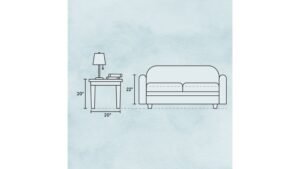
The end table should be close to the sofa arm height. This helps you place drinks or lamps easily. A good rule is to keep the table height within 1 to 2 inches of the sofa arm. If the table is too low or too high, it looks odd and feels uncomfortable.
Considering Chair Height
Consider the chair height if placing an end table next to it. The table should be level with or slightly lower than the chair’s arm. This way, reaching for items is natural and safe. Chairs with no arms may allow more flexibility in table height.

Credit: stylebyemilyhenderson.com
Factors Affecting Height Choice
Choosing the right height for end tables depends on several important factors. These factors help match the table height to your space, needs, and style. Picking the right height improves comfort and adds balance to your room.
Room Layout And Size
The size of your room affects the table height choice. Small rooms may need shorter tables to avoid crowding. Large rooms can handle taller tables that stand out more. Also, think about how close the table is to seating. Tables should be easy to reach without stretching.
Function And Usage
What you use the table for shapes the height decision. Tables for lamps or decor might be taller. Tables used for drinks or snacks should be level with your chair or sofa arm. Consider who uses the table and their comfort. Kids and adults may need different heights.
Style And Design Preferences
Your personal style guides the final height choice. Modern styles often use sleek, uniform heights. Traditional rooms may mix different table heights for interest. The table’s shape and leg design can also affect perceived height. Choose a height that fits your room’s look and feel.
Measuring Tips For Accuracy
Measuring end table height needs care for the best fit. Accurate measurements help create a balanced look and comfortable use. This section gives simple tips to measure right and choose the perfect table height for your space.
How To Measure Sofa And Chair Height
Start by measuring the height of your sofa or chair seat. Use a tape measure from the floor to the top of the seat cushion. Note the height where your arm rests. This is key to matching the end table height well.
Determining Comfortable Reach
Check how far your hand can reach when sitting. The end table should be easy to reach without stretching. Measure the distance from your seated position to where the table will sit. This ensures comfort and convenience.
Adjusting For Different Seating Types
Not all seats are the same height or style. Measure each seating type separately for the best fit. For example, armchairs may need taller tables than sofas. Adjust table height based on the specific seating to keep balance and comfort.
Custom And Adjustable End Tables
Custom and adjustable end tables offer flexible solutions for your living space. These tables adapt to different needs and styles easily. They help maintain comfort and function in your room. Adjustable heights mean you can change the table to fit your seating perfectly. Custom pieces allow you to choose the exact size and design you want.
Benefits Of Adjustable Heights
Adjustable end tables give you control over table height. They suit different chair or sofa heights without trouble. This flexibility helps keep your drinks and books within easy reach. You can raise or lower the table for comfort. Adjustable tables work well in rooms with mixed furniture styles.
Diy Height Modification Ideas
Changing the height of an end table yourself is simple. Adding furniture risers can lift a table by a few inches. You can also replace the legs with longer or shorter ones. Another idea is to attach adjustable feet or wheels. These changes help the table fit better in your space.
When To Choose Custom Pieces
Custom end tables are best when you have unique needs. They fit perfectly in awkward or small spaces. Custom designs match your room’s style and color perfectly. Choose custom if you want a specific height or shape. These pieces add a personal touch to your home décor.
Common Mistakes To Avoid
Choosing the right height for end tables can be tricky. Many people make common mistakes that affect both look and function. Avoiding these errors helps create a balanced and useful space. Here are some common mistakes to watch out for.
Too Low Or Too High Placement
End tables placed too low or too high feel uncomfortable. Tables that are too low force you to bend too much. Too high tables make reaching items awkward. The best height usually matches the sofa arm’s height. This keeps everything within easy reach and looks neat.
Ignoring Proportion And Scale
Choosing end tables that are too big or too small can ruin the room’s balance. Large tables overpower small sofas. Small tables look lost next to big couches. Match the table size to your sofa and room size. This keeps your space feeling harmonious and comfortable.
Overlooking Practical Use
End tables should serve a clear purpose. Some people pick tables that look nice but don’t hold essentials. Think about what you need nearby, like lamps or drinks. Choose tables with enough surface area and stability. Practical tables make daily life easier and keep your space tidy.

Credit: www.reddit.com
Styling Tips Based On Height
Choosing the right height for your end tables shapes the room’s style. The height affects how decorations look and feel. It also changes how useful the table is. Understanding these styling tips helps you pick the best height. It also guides how to arrange lamps and decor on the table.
Balancing With Lamps And Decor
End tables need the right height to hold lamps well. The lamp’s base and shade should match the table height. A too-tall lamp on a low table looks awkward. A low lamp on a tall table feels lost. Smaller decor pieces like vases or books look best on shorter tables. Match the decor size to the table height for balance.
Creating Visual Harmony
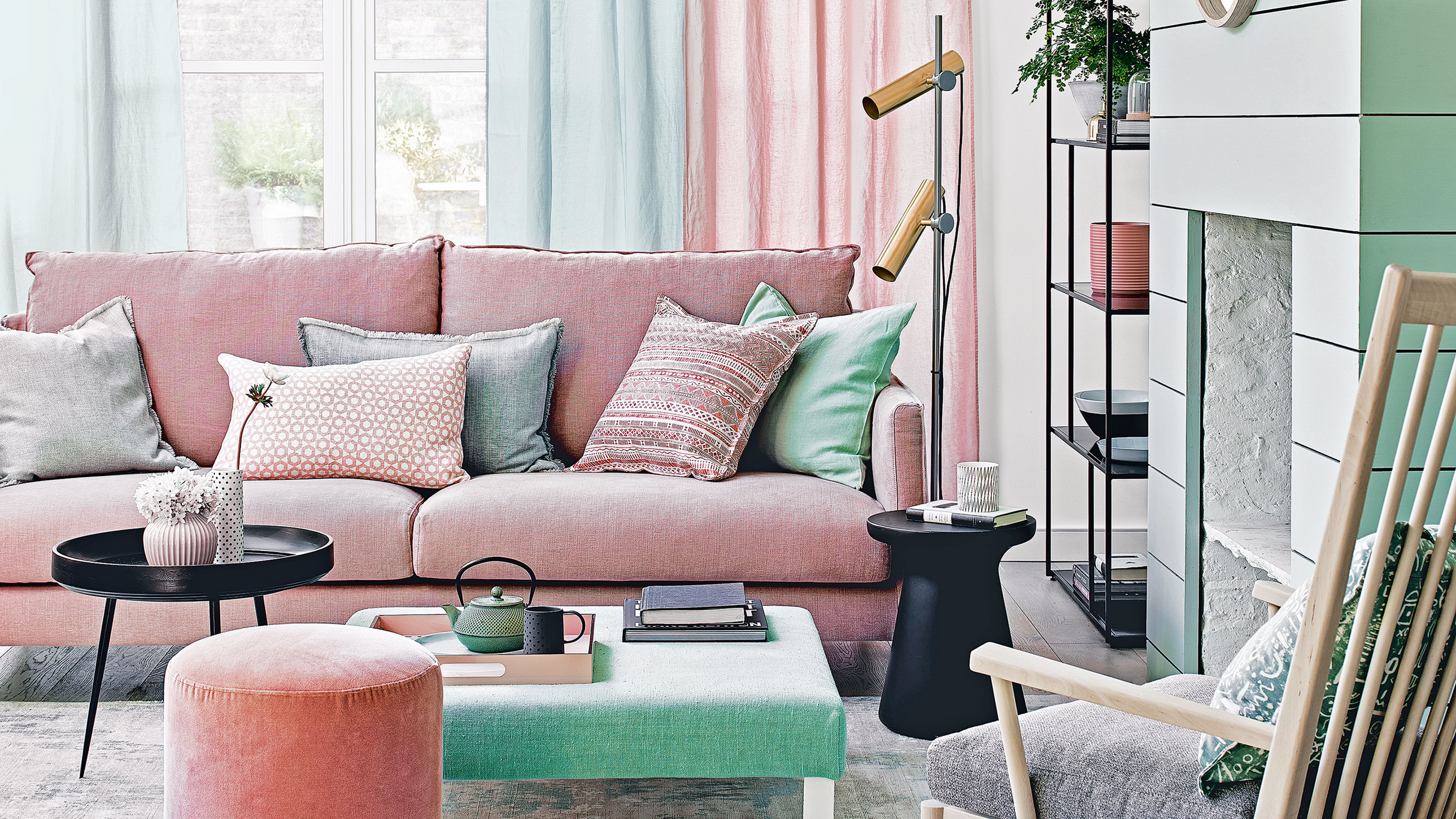
Visual harmony means everything fits well together. The end table height should relate to the sofa or chair next to it. Tables too high or too low break the flow. A good rule is to keep the table top near the armrest height. This creates a smooth line. Use the table height to link different room parts visually.
Using Height To Enhance Functionality
Height affects how easy the table is to use. Tables too low make reaching items hard. Too high tables make sitting uncomfortable. Choose a height that suits your daily habits. Keep essentials like remotes and drinks easy to grab. Height can also create extra storage space below the tabletop.
Credit: www.idealhome.co.uk
Frequently Asked Questions
What Is The Ideal Height For End Tables?
The ideal height for end tables is usually 22 to 28 inches. This height aligns well with most sofas and chairs, allowing easy reach for placing drinks or items. It ensures comfort and functionality without obstructing the seating area.
How To Measure End Table Height For Your Sofa?
Measure the height of your sofa arm from the floor. Choose an end table that is the same height or up to 2 inches taller. This ensures easy access and balanced aesthetics, complementing your sofa’s design perfectly.
Can End Tables Be Taller Than Sofas?
End tables can be slightly taller than sofas but should not exceed 2 inches. Taller tables may look disproportionate and be uncomfortable to use. Maintaining close height enhances both usability and room harmony.
Why Does End Table Height Matter In Living Rooms?
End table height affects comfort and room flow. Correct height allows easy reach from seating and prevents awkward bending. It also balances the space visually, contributing to a cohesive and inviting living room design.
Conclusion
Choosing the right height for end tables makes your space feel balanced. Aim for a height close to your sofa or chair arm. This keeps items within easy reach and adds comfort. Too tall or too short tables can look odd and feel less useful.
Measure carefully and pick what fits your furniture best. Simple changes can improve both style and function in your room. A well-chosen end table height completes your living area nicely.
As an Amazon Associate, I earn from qualifying purchases.