Robot vacuums have become very popular in many homes. They help clean floors without much effort. Many people wonder, how long do robot vacuums last? This article will explain the average life of these machines. It will also give tips to make them work longer.
What Is a Robot Vacuum?
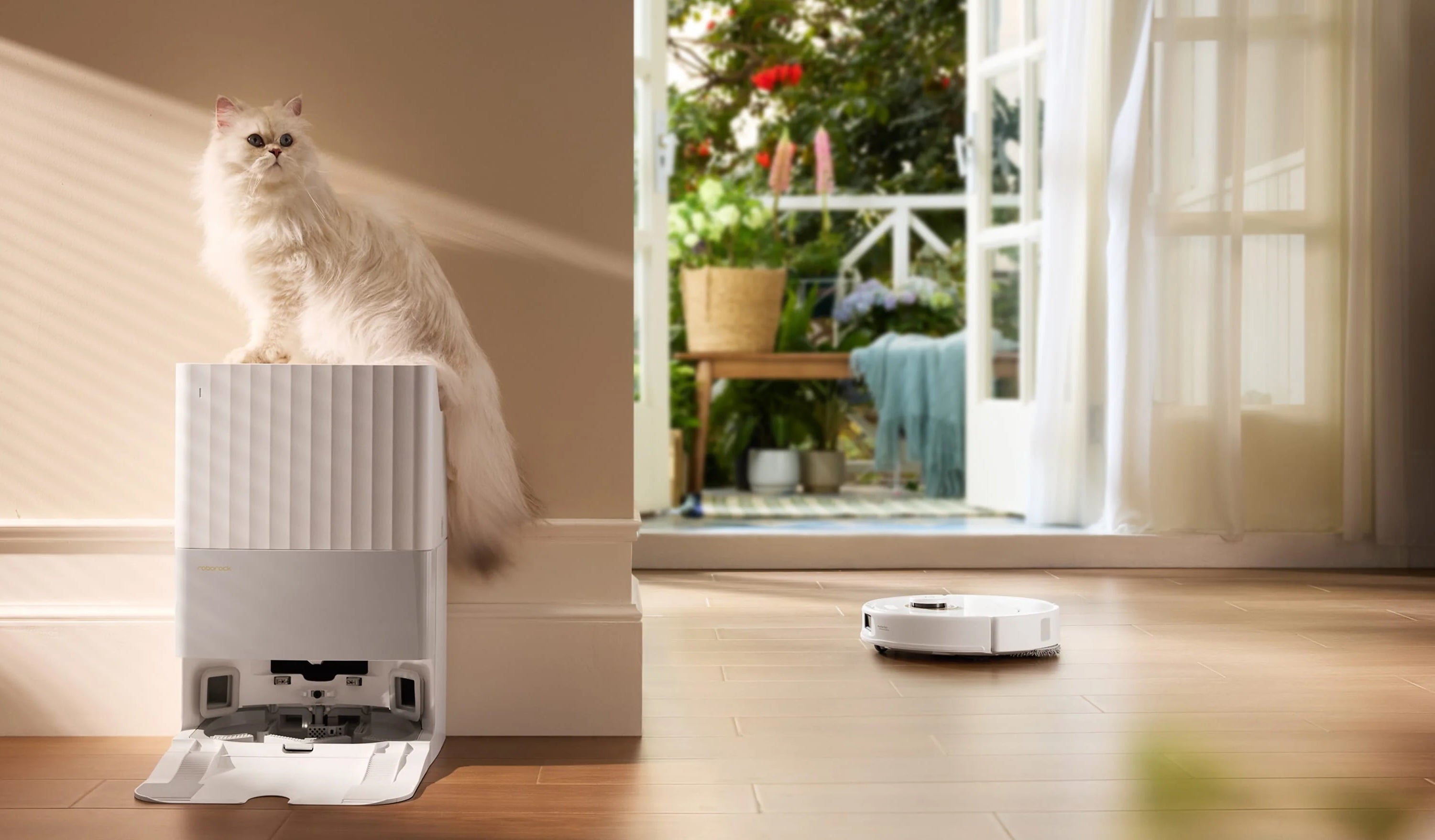
A robot vacuum is a small machine. It moves around your home by itself. It cleans dust, dirt, and hair from floors. You can use it on carpets, tiles, and wood floors. It has sensors to avoid obstacles and stairs. Some models can even empty their dustbin automatically.
Average Lifespan of Robot Vacuums
Most robot vacuums last between 3 to 5 years. Some can work longer if you take good care of them. The exact time depends on many things. For example:
- How often you use the vacuum
- The quality of the robot vacuum
- How well you maintain it
- The type of floors in your home
Using the vacuum every day may make it wear out faster. But if you use it just a few times a week, it may last longer. Higher quality models tend to last more than cheaper ones.
Parts That Affect How Long Robot Vacuums Last
Robot vacuums have many parts. Some parts wear out faster than others. Here are the main parts and how they affect the vacuum’s life:
| Part | Role | How It Affects Lifespan |
|---|---|---|
| Battery | Power source of the vacuum | Battery loses power after 1-3 years |
| Brushes | Collect dust and dirt | Brushes wear out and need replacing |
| Motor | Makes the vacuum move and suck dirt | Motor can wear down over time |
| Filters | Trap dust inside the vacuum | Filters get dirty and need cleaning or change |
| Sensors | Help the vacuum avoid obstacles | Broken sensors can reduce performance |
Battery Life and Replacement
The battery is one of the most important parts. It lets the vacuum work without wires. Most robot vacuums use lithium-ion batteries. These batteries usually last 1 to 3 years.
Over time, the battery holds less charge. The vacuum will run for shorter times. When the battery gets too weak, you need to replace it. Replacing the battery can add a year or two to the vacuum’s life.
Always use the recommended battery type. Using other batteries can harm the robot vacuum.
How to Take Care of Your Robot Vacuum
Good care can make your robot vacuum last longer. Here are some easy tips:
- Empty the dustbin after every use or when full.
- Clean brushes and rollers often. Remove hair and threads.
- Check and clean filters regularly. Replace when dirty.
- Wipe sensors gently with a soft cloth.
- Keep charging dock clean and in a good place.
- Use the vacuum on recommended floors. Avoid thick carpets if not advised.
- Update software if your vacuum supports updates.
Following these steps helps the vacuum work better and last longer.
Signs Your Robot Vacuum May Need Repair or Replacement
Sometimes, robot vacuums stop working well. Here are signs to watch for:
- Battery runs out very fast
- Vacuum stops moving or gets stuck often
- Brushes or rollers do not spin
- Vacuum misses dirt or cleans poorly
- Strange noises from motor or wheels
- Robot does not return to charger
If you see these signs, check if cleaning or small repairs help. Sometimes replacing a battery or brush is enough. If many parts are broken, it might be time to get a new vacuum.
How Usage Affects Robot Vacuum Life
How often you use your robot vacuum matters. Using it daily can wear parts faster. But it can keep your home cleaner.
Using it less means less wear, but more dirt stays on floors. Find a balance that fits your home.
Some people use robot vacuums in small areas only. Others clean whole houses every day. The lifespan can change a lot based on this.
Comparison: Robot Vacuum vs. Traditional Vacuum Cleaner
Many people wonder if robot vacuums last as long as regular ones. Here is a simple comparison:
| Type | Average Lifespan | Maintenance Needed | Ease of Use |
|---|---|---|---|
| Robot Vacuum | 3-5 years | Moderate (battery, brushes, filters) | Very Easy |
| Traditional Vacuum | 5-10 years | Low to Moderate (bags, filters) | Moderate |
Traditional vacuums often last longer. But robot vacuums save time and effort. Your choice depends on your needs.

Credit: www.ecovacs.com
Tips to Buy a Robot Vacuum That Lasts Longer
If you plan to buy a robot vacuum, consider these tips:
- Choose brands known for quality and support
- Check battery life and if batteries are easy to replace
- Look for models with washable filters
- Check if replacement parts are available
- Read reviews about durability and repairs
Spending a bit more money can mean a vacuum that works longer.
Credit: au.roborock.com
Frequently Asked Questions
How Long Do Robot Vacuums Usually Last?
Robot vacuums last about 3 to 5 years with regular use. Proper care and maintenance can extend their life.
Does Battery Life Affect Robot Vacuum Lifespan?
Yes, battery life is key. A worn-out battery means shorter run times and may need replacement.
How Often Should I Replace My Robot Vacuum Battery?
Replace the battery every 1 to 2 years for best performance. Frequent use drains the battery faster.
Can Regular Cleaning Extend Robot Vacuum Life?
Cleaning brushes and filters regularly helps the vacuum work better and last longer. Dirt buildup causes wear.
Conclusion
Robot vacuums usually last 3 to 5 years. Proper care can extend this time. Batteries, brushes, and filters need attention. Using the vacuum wisely helps it last longer. Choose a good model and maintain it well.
Robot vacuums are great helpers in cleaning homes. Knowing how long they last helps you plan and save money. Take care of your vacuum, and it will serve you well.
As an Amazon Associate, I earn from qualifying purchases.