Choosing the perfect end table height might seem simple, but it can change how your whole room feels and functions. If your end table is too tall or too short, it can be uncomfortable to use and throw off the balance of your space.
You want a table that fits just right—one that makes your living area look stylish and feels natural when you reach for your drink or place your book down. You’ll discover the ideal height for your end table and how to pick one that matches your furniture and lifestyle perfectly.
Keep reading to find out how a small detail can make a big difference in your home comfort and style.
Choosing The Right Height
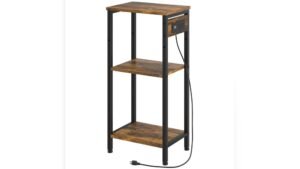
Choosing the right height for a tall end table is key to making your space comfortable and stylish. The height affects how easy it is to use the table while sitting on your sofa or chair. It also impacts the overall look of the room. Picking a height that fits well with your furniture and needs helps create a balanced and practical space.
Matching Sofa And Chair Heights
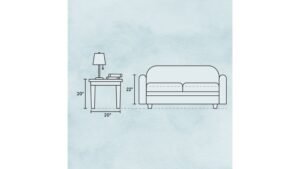
Start by measuring the height of your sofa or chair’s arm. The table should be close to this height. This makes reaching for a drink or book easy. A table too low or too high feels awkward. Aim for a table height within two inches of your furniture’s arm height.
Considering Table Function
Think about what you will use the table for. If you want to place lamps or decorative items, a taller table works well. For snacks or drinks, a height near your seat arm is best. Tables used for working or writing need to be slightly higher for comfort. Match the table height to its main use.
Standard Height Ranges
Tall end tables usually range between 24 and 30 inches in height. Most sofas have arm heights around 24 to 28 inches. Chairs tend to vary more but often fall in the 24 to 26 inch range. Choose a table height within these ranges to fit most furniture styles. Adjust slightly to match your specific pieces.
Measuring Your Space
Measuring your space is the first step to choosing the right tall end table. It ensures the table fits well and looks balanced in the room. This process helps avoid buying a table that is too big or too small.
Assessing Room Layout
Start by looking at the shape and size of your room. Note where doors, windows, and walkways are. Leave enough space for easy movement. Mark areas where the table can fit without blocking paths. A clear layout helps decide the best table height and size.
Checking Adjacent Furniture
Measure nearby furniture like sofas, chairs, or beds. The table should match their height for a smooth look. Avoid tables that tower over or hide behind other pieces. Proper matching keeps the room balanced and comfortable.
Allowing For Comfortable Reach
Think about how you will use the table. It should be easy to reach from your seat. Make sure the height lets you place drinks or lamps without stretching. Comfort is key to choosing the right tall end table height.
Types Of End Tables
End tables come in many types and styles. Each type suits different needs and room designs. Choosing the right end table can improve your space’s look and function. Understanding the types helps you pick the perfect fit for your home.
Traditional Vs. Modern Styles
Traditional end tables have classic designs. They often feature wood, rich colors, and detailed carvings. These tables bring warmth and elegance to a room. Modern styles focus on simplicity and clean lines. They use materials like metal, glass, or light wood. Modern tables offer a sleek and minimalist look. Both styles vary in height but usually match the sofa’s arm height.
Stacked And Nesting Tables
Stacked tables are compact and save space. They fit one on top of another for easy storage. Nesting tables come in sets of two or three. They slide under each other and can be used separately. These tables are flexible and practical. They work well in small rooms or for extra surface space. Heights differ but usually align with sofa height.
Adjustable Height Options
Some end tables have adjustable heights. You can raise or lower the tabletop as needed. This feature suits different seating heights and activities. Adjustable tables offer great comfort and convenience. They work well in multi-use rooms. These tables blend well with both traditional and modern designs.

Credit: hirosarts.com
Tips For Different Rooms
Choosing the right height for an end table depends on the room’s use and furniture. Each space has unique needs. Matching the table height with nearby furniture improves comfort and style. Small changes make a big difference in daily use.
Living Room Settings
Pick an end table about the same height as your sofa arm. This makes reaching drinks or remotes easy. Too tall or too short tables can feel awkward. A good rule is 22 to 26 inches high. This fits most couches well. Keep space around the table for easy movement.
Bedroom Uses
End tables near beds often serve as nightstands. Choose a height level with the mattress top. This helps when placing lamps or alarm clocks. Tables between 24 and 28 inches usually work well. Consider the bed height before buying a table. Comfort is key for a relaxing bedroom space.
Office And Study Areas
In workspaces, end tables can hold supplies or a printer. Match the table height to your desk or chair side. A height of 20 to 26 inches suits most office setups. Tables too tall or low may cause strain. Keep your workspace tidy and functional with the right table size.
Material And Design Impact
The material and design of an end table shape its height and how it fits in a room. Different materials have different weights and thicknesses. These features affect the table’s height and style. The design also plays a role. Some designs need taller legs, while others use a solid base. Both material and design affect the table’s balance with other furniture.
How Height Affects Visual Balance
The height of an end table changes the room’s look. A table too tall feels awkward next to a low sofa. Too short makes the table less useful. The right height keeps the room balanced and comfortable. It helps the eye move smoothly across the space. Material thickness affects this too. Heavy wood might need a shorter height for balance. Thin metal tables can be taller without looking odd.
Choosing Complementary Finishes
Finish style impacts how the table fits with the room. Shiny surfaces can make a table stand out more. Matte finishes blend into the background. Wood finishes add warmth and texture. Metal finishes offer a modern look. The finish can also change how tall the table feels. Dark finishes often make furniture look heavier and shorter. Light finishes create an airy feel and can make tall tables less imposing.
Incorporating Storage Solutions
Storage affects both design and height. Drawers and shelves add bulk to the table. This often increases the height slightly. Storage helps keep the space tidy. It also gives the table more purpose. Materials like wood and thick metal support storage well. Lightweight materials might limit storage options. Choosing a design with storage means thinking about the best height for easy access.

Credit: stylebyemilyhenderson.com
Common Mistakes To Avoid
Choosing the right height for an end table is important. Many people make avoidable errors that affect comfort and style. Knowing common mistakes helps you pick a table that fits well. Avoid these errors to improve your space and daily use.
Too Tall Or Too Short Tables
End tables that are too tall or too short cause discomfort. A table too high makes reaching items hard. Too low means bending too much. The ideal height matches the sofa or chair arm. This keeps everything within easy reach and looks balanced.
Ignoring User Comfort
Comfort matters more than style alone. A table that looks good but is uncomfortable will frustrate users. Think about how people use the table. Avoid sharp edges or unstable designs. Choose a height that allows easy access without strain.
Overcrowding The Space
Putting a big or many tables in a small room crowds the area. This limits movement and makes the room look messy. Select tables that fit the space size. Leave enough room for walking and other furniture. A clean layout feels open and welcoming.

Credit: froy.com
Frequently Asked Questions
What Is The Ideal Height For An End Table?
The ideal end table height ranges between 22 to 28 inches. It should align closely with your sofa or chair arm height for comfort and accessibility.
How To Measure End Table Height For A Couch?
Measure from the floor to your couch arm’s top. The end table height should be equal or slightly lower for convenience.
Can End Tables Be Taller Than Sofas?
End tables taller than sofas may look awkward and be less functional. Matching or slightly lower height improves aesthetics and usability.
Why Does End Table Height Matter?
Proper end table height ensures ease of use and balance in room design. It supports placing drinks, lamps, or decor within easy reach.
Conclusion
Choosing the right height for your end table makes a big difference. It should match your sofa or chair height for comfort. Too tall or too short can feel awkward. Aim for a table that sits near your armrest. This makes it easy to reach drinks or books.
Keep measurements simple and practical. A well-sized end table adds style and function to your space. Small details like height help your room feel balanced and cozy. Now, you can pick the perfect end table height with confidence.
As an Amazon Associate, I earn from qualifying purchases.