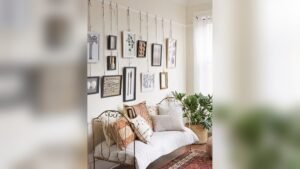
Are you staring at a blank wall, unsure how to bring it to life? Arranging wall art can transform any room from dull to dazzling, but getting it right isn’t always easy.
Imagine walking into your space and feeling that instant spark of joy and style. That’s exactly what you can achieve with the right approach. You’ll discover simple, practical tips to arrange your wall art like a pro—making your walls speak your personality and taste.
Ready to turn your walls into a stunning focal point? Let’s dive in.
Choosing The Right Wall Art
Choosing the right wall art can change the look of any room. It adds character and creates a focal point. The right pieces reflect your style and make the space feel complete. Understanding the options and how they fit your room helps you make good choices.
Types Of Wall Art
Wall art comes in many forms. Paintings bring color and texture. Prints and posters offer affordable options. Photographs capture memories and moments. Sculptures and 3D art add depth to flat walls. Tapestries and fabric art give warmth and softness. Each type has a unique effect on the room’s mood.
Matching Art With Room Style
Art should match the room’s style. Modern rooms suit abstract or minimal pieces. Traditional spaces look great with classic paintings or landscapes. Rustic rooms fit well with natural or handmade art. Consider the furniture and decor. The art should blend or create a pleasing contrast.
Selecting Colors And Themes
Colors in wall art affect the room’s energy. Choose colors that complement the walls and furniture. Bright colors bring energy, while soft tones calm the space. Themes in art tell a story or set a mood. Nature scenes bring peace, cityscapes add excitement. Pick themes that you enjoy and feel connected to.
Planning Your Layout
Planning your wall art layout is the first step to a beautiful display. It helps you organize pieces so they look balanced and pleasing. Thoughtful planning saves time and avoids mistakes like overcrowding or uneven spacing. Follow simple steps to create a layout that fits your space and style.
Measuring Wall Space
Start by measuring the width and height of your wall. Note any obstacles like switches, windows, or shelves. Use these measurements to decide how much art can fit comfortably. Leave extra space around each piece to avoid a cramped look. Accurate measuring ensures your art fits well and looks neat.
Creating A Focal Point
Choose one piece as the centerpiece of your arrangement. This draws the eye and anchors the display. Place the focal art at eye level for the best view. Arrange smaller pieces around it to support the main piece. A clear focal point makes your wall art more interesting and organized.
Balancing Art Sizes
Mix different sizes for a dynamic look. Place larger pieces first and fill gaps with smaller ones. Keep space between artworks consistent to maintain balance. Avoid clustering too many small pieces in one spot. Balanced sizes help your wall art feel harmonious and well-planned.
Hanging Techniques
Hanging wall art correctly changes the look of any room. It draws attention and brings style. Different techniques help place art beautifully. This section explains simple ways to hang art on walls.
Eye-level Placement
Place artwork so the center is at eye level. This height is usually about 57 to 60 inches from the floor. It makes the art easy to see and enjoy. For groups of art, find the center point and align it at eye level. This keeps the display balanced and natural.
Using Grid And Salon Styles
The grid style arranges art in neat rows and columns. It looks clean and organized. This style works well with similar-sized pieces. The salon style mixes different sizes and shapes. It creates a lively, creative display. Start from the center and build outward. Both styles need planning before hanging.
Spacing Between Pieces
Keep space between artworks to avoid clutter. A good rule is 2 to 5 inches apart. Smaller spaces suit tight arrangements like grids. Larger spaces highlight individual pieces. Measure carefully to keep even spacing. Balanced space helps art stand out and the wall breathe.

Credit: www.ballarddesigns.com
Mixing And Matching
Mixing and matching wall art creates a unique and personal display. It breaks the monotony of identical pieces. The right mix brings energy and charm to any room. Start with a few simple ideas to build your wall gallery.
Combining Different Art Forms
Use various art forms like paintings, prints, and photographs together. The contrast between styles adds interest. A painting next to a black-and-white photo creates balance. Different sizes and shapes keep eyes moving on the wall.
Incorporating Frames And Materials
Choose frames in different materials such as wood, metal, or plastic. Mixing frames adds texture and depth. Keep some similarity, like color or style, to avoid chaos. A mix of thin and thick frames gives a dynamic look.
Blending Colors And Textures
Pick colors that complement each other. Soft pastels with bright tones create harmony. Mix smooth and rough textures for a tactile feel. Art with glossy finishes paired with matte pieces looks balanced. Variety in color and texture keeps your wall lively.
Adjusting For Different Rooms
Each room in your home has its own mood and purpose. This affects how you should arrange wall art. The size, light, and furniture in a room guide your choices. Adjusting art to fit each space makes your home feel balanced and inviting.
Living Room Arrangements
The living room is often the largest space. Choose art that matches the room size. Large pieces work well above the sofa. Group smaller pieces to create a gallery wall. Keep the art at eye level for easy viewing. Use colors that match the room’s theme. This ties the whole space together.
Bedroom Art Ideas
Bedrooms need calm and restful art. Pick soft colors and simple designs. Hang art above the bed for a focal point. Avoid too many pieces to keep it peaceful. Small, framed prints on a dresser can add charm. Let the art support relaxation and comfort.
Decorating Hallways And Entryways
Hallways and entryways are narrow and small. Use vertical art to add height and interest. A series of small frames creates a path to follow. Mirrors can also act as wall art and open the space. Bright and welcoming art sets a friendly tone. Keep pieces light to avoid clutter.

Credit: www.reddit.com
Maintaining And Updating Wall Art
Maintaining and updating wall art keeps your space fresh and inviting. Proper care protects your pieces from damage. Changing art with seasons or trends adds new energy. Rotating collections lets you enjoy different styles over time. These simple steps help your walls look their best.
Cleaning And Care Tips
Dust your wall art regularly using a soft cloth. Avoid harsh chemicals that can harm colors and materials. Use a gentle brush for delicate frames or textured surfaces. Keep art away from direct sunlight to prevent fading. Check hanging hardware often to ensure stability and safety.
Seasonal And Trend Updates
Switch art pieces to match seasons for a fresh vibe. Bright colors work well in spring and summer. Warm tones fit cozy fall and winter months. Follow current art trends for a modern look. Small changes can make a big impact on your room’s feel.
Rotating Art Collections
Store unused art safely to protect it from damage. Rotate pieces every few months to keep your display interesting. Use different frames or arrangements for variety. This keeps your walls dynamic without buying new art. Enjoy your collection in new ways by changing what you show.

Credit: thecopperwolf.com
Frequently Asked Questions
How To Choose The Right Wall Art Arrangement?
Select wall art based on room size, theme, and color palette. Consider balance and focal points to enhance aesthetics. Mix sizes and styles to create visual interest and harmony in your space.
What Is The Best Way To Hang Multiple Wall Art Pieces?
Use a level and measuring tape for precise placement. Arrange art on the floor first to find the ideal layout. Maintain consistent spacing, typically 2-3 inches, between pieces for a cohesive look.
How To Create A Gallery Wall With Wall Art?
Start by selecting a theme or color scheme. Lay out art pieces on the floor to visualize the arrangement. Use varied frame styles and sizes but keep spacing uniform for a balanced gallery wall.
What Height Should Wall Art Be Hung At?
Hang art so its center is at eye level, about 57-60 inches from the floor. Adjust height if placing above furniture to maintain visual balance and avoid awkward gaps.
Conclusion
Arranging wall art can change how your space feels. Choose pieces that speak to you. Play with different layouts before hanging. Keep balance and spacing in mind. Mix sizes and styles to add interest. Trust your eyes and feelings most.
Your walls tell your story. Make them beautiful and personal. Enjoy the process and have fun.
As an Amazon Associate, I earn from qualifying purchases.