
Looking to add a personal touch to your living room? Building your own coffee table is easier than you think, and it gives you a unique piece that reflects your style.
Imagine having a sturdy, stylish table made by your own hands—perfect for your morning coffee or evening gatherings. In this guide, you’ll discover simple steps and helpful tips to create a beautiful coffee table that fits your space and needs.
Ready to turn your ideas into reality? Keep reading, and let’s get started!
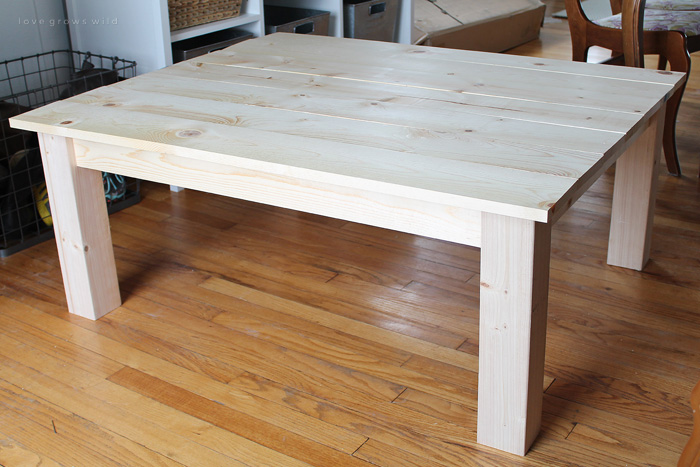
Credit: lovegrowswild.com
Choosing The Right Materials
Choosing the right materials is key to building a sturdy coffee table. The materials affect how your table looks and lasts over time. Selecting good wood and tools makes your project easier and more satisfying. Let’s explore what you need to pick for a strong and beautiful coffee table.
Selecting Wood Types
Wood is the main material for most coffee tables. It must be strong and look nice. Pine is soft and easy to cut. Oak is harder and lasts longer. Maple has a smooth finish and resists dents. Choose wood that fits your style and budget. Avoid wood that bends or cracks easily. Consider wood that matches your room’s color and design. Solid wood works well, but plywood can be cheaper and still strong.
Tools And Supplies Needed
Good tools make building faster and safer. A saw cuts wood to size. Sandpaper smooths rough edges. A drill helps attach pieces with screws. Wood glue adds extra strength. Measuring tape keeps your cuts accurate. Clamps hold pieces while glue dries. Choose quality tools that fit your hands well. Safety gear like gloves and goggles protect you during work. Having the right tools avoids mistakes and saves time.
Designing Your Coffee Table
Designing your coffee table is the first step to creating a piece that fits your space and style. A good design balances function and beauty. It also matches the room where you plan to place the table. This process starts with choosing the right shape and size. Then, it moves to the details like legs, shelves, and finish. Planning carefully helps avoid mistakes later.
Simple Vs. Complex Designs
Simple designs are easy to build and look clean. They usually have straight lines and few parts. This style fits many rooms and is good for beginners. Complex designs have curves, drawers, or shelves. They need more tools and skills. Choose a design that matches your experience and the tools you own. Simple tables save time and materials. Complex tables offer more storage and style options.
Measuring And Sketching
Start by measuring the space where the table will go. Note the length, width, and height you want. Use a tape measure for accuracy. Next, sketch your design on paper. Draw the top view and side views. Include all parts like legs and shelves. Label the measurements clearly. This sketch guides you through cutting and assembling. It also helps check if the size fits your room.
Preparing The Wood
Preparing the wood is a key step in building a coffee table. It sets the stage for a smooth, strong, and beautiful final product. Take time to measure and shape the wood carefully. This will make the assembly easier and the table more durable.
Cutting To Size
Start by measuring the wood pieces according to your design. Mark the lines clearly with a pencil. Use a saw to cut the wood along the marks. Cut slowly and steadily for clean edges. Double-check each piece after cutting. Accurate cuts help the table fit together well.
Sanding And Smoothing
After cutting, sand each wood piece to remove rough spots. Use medium-grit sandpaper first. Then finish with fine-grit sandpaper for a smooth surface. Sand all sides and edges evenly. This prevents splinters and gives the wood a nice feel. Clean off the dust before moving on.

Credit: shelleybateshome.com
Assembling The Table Frame
Assembling the table frame is a key step in building your coffee table. It shapes the structure and supports the tabletop. A strong frame keeps the table stable and durable. This part requires careful work and the right tools.
Joining Techniques
Choose the right method to join the frame parts. Common options include screws, nails, and wood glue. Use wood glue to create a firm bond between surfaces. Screws add extra strength and hold pieces tightly together. Pre-drill holes before screwing to prevent wood from splitting. For a cleaner look, try pocket hole joinery. It hides screws inside the wood. Always check that the corners form a perfect 90-degree angle.
Securing The Frame
After joining, secure the frame on a flat surface. Clamp the pieces to hold them steady. This prevents movement as glue dries or screws tighten. Double-check all joints for tightness. Sand any rough edges or uneven spots. This step ensures a smooth finish later. Allow glue to cure fully before adding the tabletop or legs.
Adding The Tabletop
Adding the tabletop is a key step in building a coffee table. It gives the table its final look and function. The tabletop must fit well and be strong. This part guides you through attaching the surface and making sure it stays stable.
Attaching The Surface
Start by placing the tabletop on the frame carefully. Make sure it aligns perfectly with the edges. Use clamps to hold the tabletop in place. Drill pilot holes to avoid splitting the wood. Attach the tabletop using screws or wood glue. Screws offer a stronger hold. Wood glue helps join surfaces tightly. Check that the tabletop is flat and even.
Ensuring Stability
Stability keeps the table safe and durable. Add corner braces under the tabletop for extra support. Tighten all screws to prevent wobbling. Use wood filler to cover any gaps or holes. Let the glue dry fully before moving the table. Test the table by pressing down on the surface. Adjust any loose parts until the table feels steady.

Credit: www.youtube.com
Finishing Touches
Finishing touches bring your coffee table to life. They protect the wood and give it style. This step makes your table last longer and look better. Focus on staining or painting first. Then, add a protective coat to keep it safe from damage.
Staining And Painting
Staining adds color while showing the wood grain. Use a brush or cloth to apply stain evenly. Wipe off extra stain to avoid blotches. Let the stain dry fully before moving on. Painting covers the wood completely for a bold look. Use a primer first for better paint grip. Apply thin coats of paint and let each dry. Sand lightly between coats for smoothness.
Applying Protective Coatings
Protective coatings guard against water, scratches, and heat. Polyurethane is a strong choice for coffee tables. Apply thin layers with a clean brush. Let each layer dry before adding the next. Light sanding between coats improves adhesion. Wax can add shine and softness but needs more upkeep. Choose a finish that fits your table’s use and style.
Troubleshooting Common Issues
Building a coffee table can bring many small challenges. These can slow down your work or affect the table’s look and strength. Troubleshooting common issues helps keep the project smooth and satisfying. This section covers two frequent problems and simple ways to fix them.
Fixing Wobbly Legs
Wobbly legs make the table unstable and unsafe. Check all screws and bolts first. Tighten any loose fasteners carefully. Use wood glue at the joints for extra hold. If legs still wobble, add small wooden shims between the leg and table frame. Sand down uneven leg bottoms for a flat surface. Test stability often during these steps.
Handling Surface Imperfections
Surface flaws can spoil your table’s appearance. Light scratches or dents can be filled with wood filler. Choose a filler close to your wood color. Let it dry completely before sanding smooth. For rough spots, use fine sandpaper to smooth the area gently. After sanding, wipe dust off with a clean cloth. A fresh coat of paint or varnish hides marks and protects the surface.
Maintaining Your Coffee Table
Maintaining your coffee table is key to keeping it looking fresh and lasting longer. A well-kept table adds warmth and style to your living space. Small efforts in care can prevent damage and preserve the wood’s natural beauty.
Regular attention helps avoid stains, scratches, and dullness. The right cleaning methods protect the finish and wood beneath. Also, long-term care supports the table’s strength and overall condition.
Cleaning Tips
Dust your coffee table often using a soft cloth. Avoid rough materials that can scratch the surface. For spills, wipe immediately with a damp cloth. Use mild soap mixed with water for sticky spots. Never use harsh chemicals or abrasive cleaners. Dry the surface well to stop water damage. Polish occasionally with a wood-safe product to keep shine.
Long-term Care
Place coasters under drinks to prevent rings and stains. Avoid direct sunlight to stop fading and cracking. Keep the table away from heat sources like radiators. Tighten screws and joints regularly to maintain stability. Use felt pads under decor to avoid scratches. Consider applying a fresh coat of finish every few years. Store the table in a dry place if not in use for a long time.
Frequently Asked Questions
What Materials Are Best For Building A Coffee Table?
Solid wood like oak or pine is best for durability. Plywood or MDF are budget-friendly options. Choose materials based on style, cost, and ease of work.
How Long Does It Take To Build A Coffee Table?
Building a simple coffee table typically takes 4 to 8 hours. Complex designs may take longer. Time varies with skill level and tools available.
What Tools Do I Need To Build A Coffee Table?
Essential tools include a saw, drill, screws, measuring tape, and sandpaper. Optional tools are clamps and a wood finish for a professional look.
Can I Customize My Coffee Table Design Easily?
Yes, coffee tables are highly customizable. Change dimensions, add shelves, or choose different finishes. Customizing suits your space and personal style perfectly.
Conclusion
Building a coffee table can be a fun and rewarding project. Start with simple materials and clear steps. Take your time to measure and cut carefully. Use basic tools to assemble the parts securely. Personalize your table with paint or stain for a unique look.
Enjoy the pride of creating something useful by yourself. Remember, practice makes the process easier each time. A handmade coffee table adds charm to any room. Why not try building one today?
As an Amazon Associate, I earn from qualifying purchases.