Are your artificial plants looking dull and dusty? You might think they don’t need much care, but keeping them clean is key to making your space feel fresh and inviting.
Imagine walking into a room where every leaf shines like new—how much more relaxing and beautiful would that be? You’ll discover simple, effective ways to clean your artificial plants without damaging them. By the end, your fake greenery will look so real, everyone will wonder if you’ve got a secret green thumb.
Ready to bring life back to your artificial plants? Let’s get started!

Credit: christmasinamerica.com
Choosing The Right Cleaning Method
Choosing the right cleaning method for your artificial plant keeps it fresh and long-lasting. Different plants need different care. Some methods work better for certain materials and dust levels. Picking the proper way avoids damage and saves time. Here are easy and effective ways to clean artificial plants.
Dusting Techniques
Dusting is the simplest way to clean artificial plants. Use a soft cloth or feather duster. Gently wipe the leaves and stems. This removes loose dust and dirt. Do this weekly to prevent buildup. For small or delicate plants, a paintbrush works well. Dusting keeps plants looking natural and bright.
Washing With Soap And Water
Soap and water clean tougher dirt and grime. Mix mild dish soap with warm water. Dip a soft cloth or sponge in the solution. Wipe each leaf carefully to avoid tearing. Rinse with clean water and pat dry. Avoid soaking the plant. This method refreshes the plant without harming it.
Using Vinegar Solutions
Vinegar is a natural cleaner that kills germs. Mix equal parts white vinegar and water in a spray bottle. Lightly spray the plant and wipe with a soft cloth. Vinegar removes stubborn stains and dust. Test on a small area first to check for damage. Vinegar keeps plants healthy and shiny.
Compressed Air Cleaning
Compressed air blasts away dirt in hard-to-reach spots. Use a can of compressed air or a small air blower. Hold the plant steady and spray short bursts of air. This method works well for fake plants with many small leaves. It is quick and mess-free. Compressed air keeps plants clean without touching them.
Preparing Your Artificial Plant
Preparing your artificial plant properly helps make cleaning easier and more effective. It also protects the plant from damage during the process. Start by removing dust and loose dirt. Then, take off any parts you can remove. This allows you to clean each piece carefully. Finally, test your cleaning solution on a small area. This step prevents damage to the plant’s colors and material.
Removing Loose Dust
Use a soft brush or cloth to remove loose dust. Gently wipe the leaves and stems. Avoid using too much force. This prevents bending or breaking the plant. A small paintbrush works well for tight spaces. Dusting first stops dirt from spreading when you wash the plant later.
Detaching Removable Parts
Check if your plant has parts that come off. Some plants have flowers, leaves, or stems that detach. Carefully remove these parts. Cleaning each piece separately helps reach hidden spots. Keep all parts in a safe place to avoid losing them. This makes the cleaning process easier and more thorough.
Testing Cleaning Solutions
Choose a mild cleaning solution suitable for artificial plants. Mix water with a small amount of gentle soap. Dip a cloth or cotton swab in the solution. Test it on a small, hidden area of the plant. Wait a few minutes to see if colors fade or material changes. If safe, continue cleaning the whole plant. This step protects your plant’s appearance and quality.
Cleaning Steps For Different Materials
Cleaning artificial plants keeps them fresh and bright. Different materials need different care. Knowing the right steps saves your plants from damage. Follow simple methods for each type of material below.
Cleaning Silk Plants
Silk plants need gentle cleaning. Use a soft brush or cloth to remove dust. Avoid water; it can harm the fabric. For deep cleaning, use a spray of mild soapy water. Wipe gently and let air dry.
Cleaning Plastic Plants
Plastic plants are easier to clean. Wipe leaves with a damp cloth to remove dirt. For stubborn grime, use a mix of water and mild soap. Rinse with clean water and dry with a towel. Avoid harsh chemicals that can fade plastic.
Handling Delicate Leaves
Delicate leaves break easily. Use a soft brush or cloth for dusting. Avoid rubbing hard or using water directly. Hold the leaf gently while cleaning to prevent tears. Regular light cleaning keeps them looking good.
Credit: www.apartmenttherapy.com
Drying And Maintaining Freshness
Keeping artificial plants fresh after cleaning is important. Proper drying stops damage and keeps plants looking good. This section explains how to dry and maintain your artificial plants.
Proper Drying Techniques
After washing, shake off extra water gently. Use a soft towel to pat dry the leaves and stems. Place the plant in a well-ventilated area to air dry. Avoid direct sunlight to prevent color fading. Let the plant dry completely before placing it back.
Avoiding Mold And Mildew
Moisture left on plants can cause mold and mildew. Dry plants thoroughly to stop this. Keep plants away from humid places like bathrooms. Use a fan or open windows to improve air circulation. Check plants often for any signs of mold.
Regular Maintenance Tips
Dust plants weekly with a soft cloth or brush. Use a hairdryer on cool setting to blow dust off hard-to-reach spots. Clean plants regularly to keep them bright and fresh. Avoid using harsh chemicals that can damage the leaves. Store plants in dry places when not in use.
Preventing Future Dirt Buildup
Keeping artificial plants clean extends their beauty and life. Dirt and dust buildup can make them look old and dull fast. Preventing dirt before it settles is easier than constant deep cleaning. Simple habits and smart choices keep your plants fresh and bright longer.
Placement Tips To Minimize Dust
Place artificial plants away from windows and vents. These spots collect more dust and dirt. Avoid high traffic areas where dust moves often. Choose rooms with less air movement. This lowers dust landing on leaves and stems. Keep plants off carpets and fabric surfaces that trap dust.
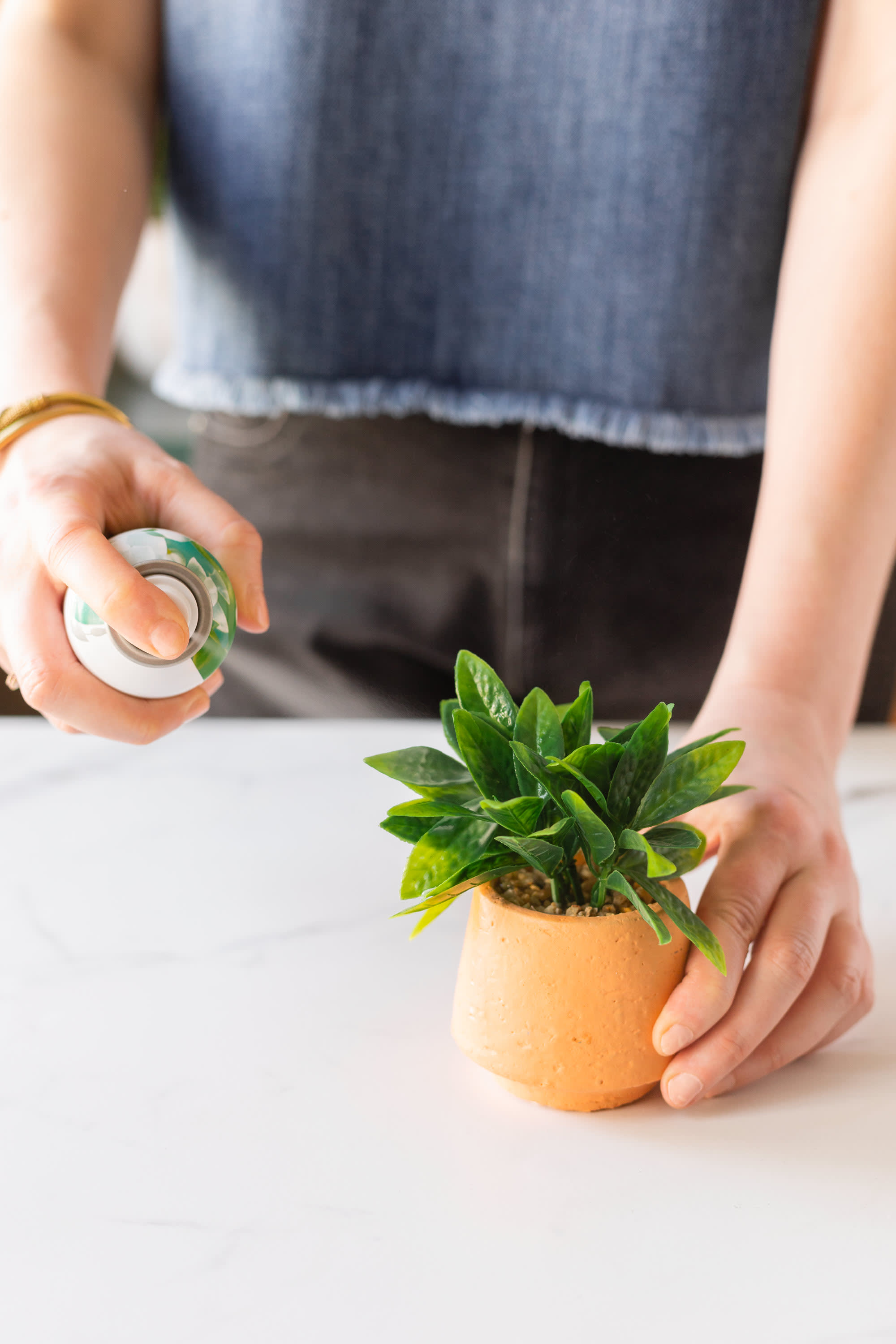
Using Protective Sprays
Protective sprays create a thin barrier on leaves. This stops dust and dirt from sticking tightly. Use sprays made for artificial plants or gentle fabric protectors. Apply sprays in a well-ventilated area. Let the plant dry completely before placing it back. Reapply sprays every few months for best results.
Routine Cleaning Schedule
Set a simple cleaning routine to stop buildup early. Dust plants weekly using a soft cloth or brush. Lightly wipe leaves to remove surface dirt. Do a deeper clean every month with water and mild soap. Regular care prevents thick layers of dust. Keeps your plant looking fresh and new.

Credit: simplepracticalbeautiful.com
Frequently Asked Questions
How Often Should I Clean My Artificial Plants?
Clean artificial plants every two to four weeks. Regular cleaning prevents dust buildup and keeps them looking fresh and vibrant.
What Is The Best Way To Dust Artificial Plants?
Use a soft brush or microfiber cloth to dust. Gently wipe leaves to remove dirt without damaging the plant.
Can I Wash Artificial Plants With Water?
Yes, rinse artificial plants with lukewarm water for a deeper clean. Avoid soaking to prevent damage to glued parts.
Are Homemade Cleaning Solutions Safe For Artificial Plants?
Mild soap mixed with water is safe for cleaning. Avoid harsh chemicals that can discolor or damage the materials.
Conclusion
Keeping artificial plants clean helps your space look fresh and bright. Regular dusting stops dirt from building up. Use gentle cleaning methods to protect leaves and stems. Quick, simple care saves time and keeps plants looking new. Clean plants add a nice touch to any room.
Small efforts make a big difference in your home’s feel. Try these tips often for the best results. Your artificial plants will stay beautiful all year long.
As an Amazon Associate, I earn from qualifying purchases.