Your artificial plants brighten up your space without the hassle of watering or sunlight. But over time, dust and dirt can dull their look, making them less vibrant.
You might wonder how to keep them looking fresh and new without damaging their delicate leaves. This guide will show you simple, effective ways to clean your artificial plants so they stay beautiful and inviting. Keep reading, and you’ll discover easy tricks that save you time and effort while bringing life back to your favorite greenery.
Choosing The Right Cleaning Tools
Choosing the right cleaning tools is key to keeping artificial plants looking fresh. The right tools make cleaning easier and protect delicate leaves and stems. Picking gentle yet effective items prevents damage during cleaning. Use tools that fit the size and shape of your plants. This helps reach all areas without tearing or bending parts. Below are some helpful tools to consider.
Soft Brushes And Cloths
Soft brushes help remove dust and dirt gently. Choose brushes with fine, flexible bristles. They clean without scratching leaves. Microfiber cloths are great for wiping surfaces. They trap dust well and avoid static buildup. Use a soft cloth to gently wipe each leaf. This keeps plants shiny and clean.
Compressed Air And Vacuum Options
Compressed air sprays dust from hard-to-reach spots. Use short bursts to avoid damage. Handheld vacuum cleaners with brush attachments work well. They suck dust while brushing leaves gently. Set vacuums to low suction to protect plants. These tools clean quickly and reach tight spaces.
Cleaning Solutions To Consider
Choose mild cleaning solutions for artificial plants. A mix of water and a few drops of dish soap works well. Avoid harsh chemicals that can fade colors. Spray solutions lightly and wipe with a soft cloth. Use water alone for delicate plants. Testing on a small area first prevents surprises.
Credit: www.apartmenttherapy.com
Dusting Techniques For Artificial Plants
Dusting artificial plants keeps them looking fresh and vibrant. Dust builds up quickly on leaves and stems. Regular cleaning stops dirt from settling deep in the fibers. Using simple dusting techniques helps maintain their natural look. Easy tools and gentle methods work best without damaging the plants.
Regular Dusting Routine
Dust artificial plants once a week for best results. Use a soft cloth or feather duster to remove surface dust. Gently wipe or brush each leaf and stem. Avoid pressing too hard to prevent bending or breaking parts. For small plants, a clean makeup brush works well. Keep plants away from dusty areas to reduce buildup.
Removing Stubborn Dust And Debris
For thick dust, use a damp cloth with water only. Lightly wipe leaves to lift stubborn dirt. Avoid soaking the plant, as water can damage glue or paint. Compressed air cans help blow dust out of tight spots. A gentle vacuum with a brush attachment works for larger pieces. Repeat cleaning if dust remains after the first pass.
Washing Artificial Plants Safely
Cleaning artificial plants keeps them looking fresh and new. Proper washing protects their shape and colors. Use gentle methods to avoid damage. Careful cleaning extends the life of your fake plants.
Spot Cleaning Methods
Spot cleaning removes small dirt patches quickly. Use a soft cloth or sponge. Dampen it with water or mild soap. Gently rub the dirty areas. Avoid soaking the plant to prevent damage. Repeat if needed, but do not scrub hard.
Soaking And Rinsing Tips
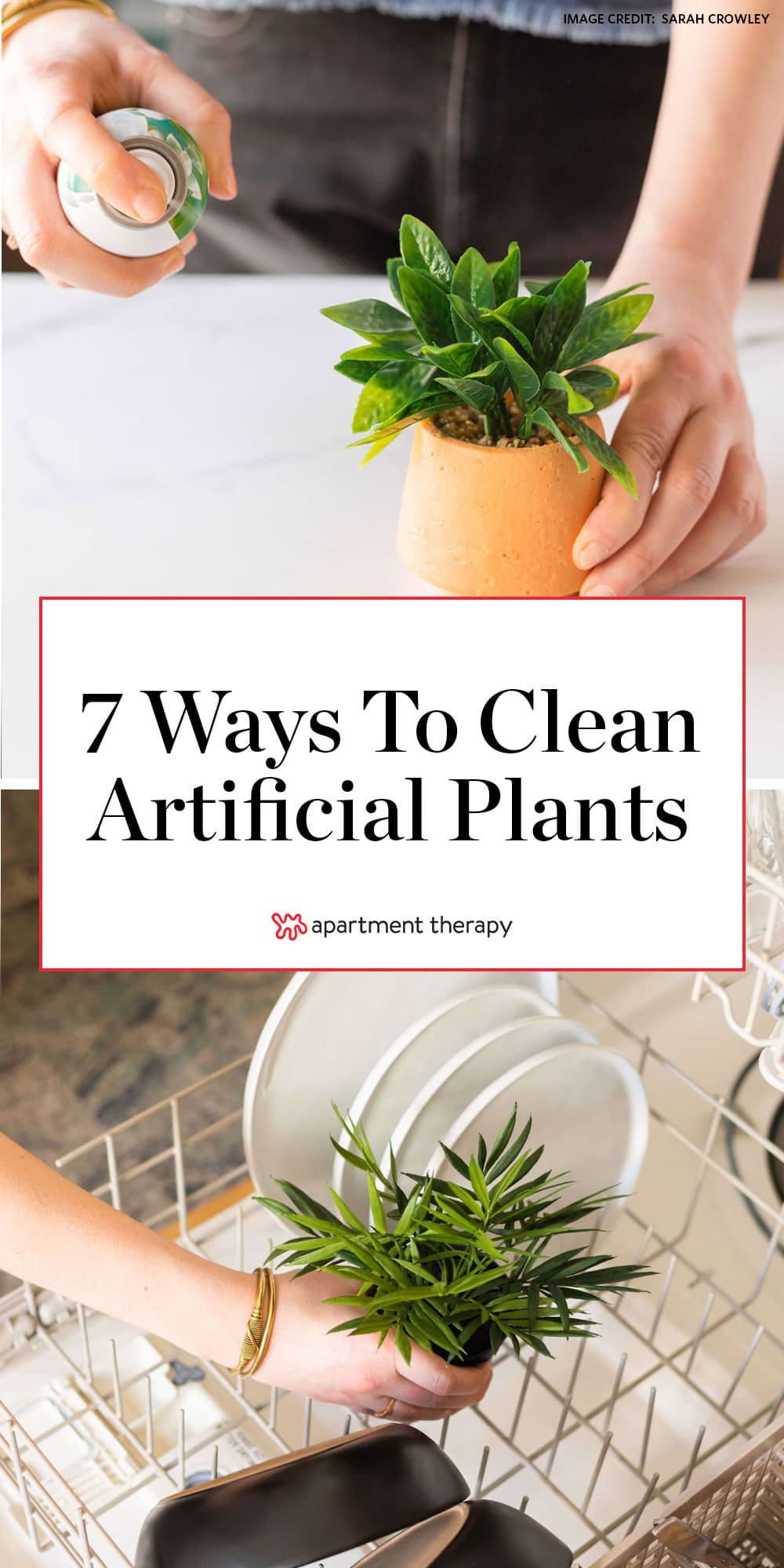
For heavier dirt, soak the plant briefly. Use lukewarm water with a little mild detergent. Submerge the leaves and stems for a few minutes. Swish gently to loosen dust and grime. Rinse with clean water to remove soap. Do not soak plastic parts too long.
Drying Without Damage
Shake off excess water carefully. Place the plant on a clean towel to dry. Avoid direct sunlight to prevent fading. Air dry in a well-ventilated area. Do not use hairdryers or heaters. Make sure the plant is fully dry before placing it back.
Credit: www.apartmenttherapy.com
Maintaining Color And Texture
Maintaining the color and texture of artificial plants keeps them looking fresh and natural. Proper care prevents them from fading or losing their shape. This section explains easy ways to protect their appearance for a long time.
Avoiding Fading And Discoloration
Keep artificial plants out of direct sunlight. Sunlight can cause colors to fade quickly. Use sheer curtains or place plants in shaded areas. Dust plants regularly with a soft cloth or brush. Dirt can dull the colors and make them look old. Avoid harsh cleaning chemicals. Mild soap and water work best for cleaning.
Restoring Shape And Fluffiness
Gently reshape leaves and petals by hand. Avoid pulling or bending too hard. Use a soft brush to fluff dense areas. Steam from a distance helps relax creases and wrinkles. Let plants dry completely after cleaning to keep their form. Store artificial plants properly when not in use, avoiding heavy pressure on them.
Preventing Future Dirt Buildup
Keeping artificial plants clean takes effort beyond just washing them. Preventing dirt buildup saves time and keeps plants looking fresh longer. A few smart steps help reduce dust and grime from settling on leaves and stems. These steps keep your decor bright and inviting without constant cleaning.
Placement Tips To Reduce Dust
Place artificial plants away from open windows. Wind carries dust and dirt inside. Avoid spots near vents or heaters that blow air and debris. Choose areas with low foot traffic to limit dust exposure. Keep plants off the floor where dust gathers easily. Higher shelves or tables work best. Rotate plants occasionally to prevent dust from settling in one spot.
Using Protective Sprays
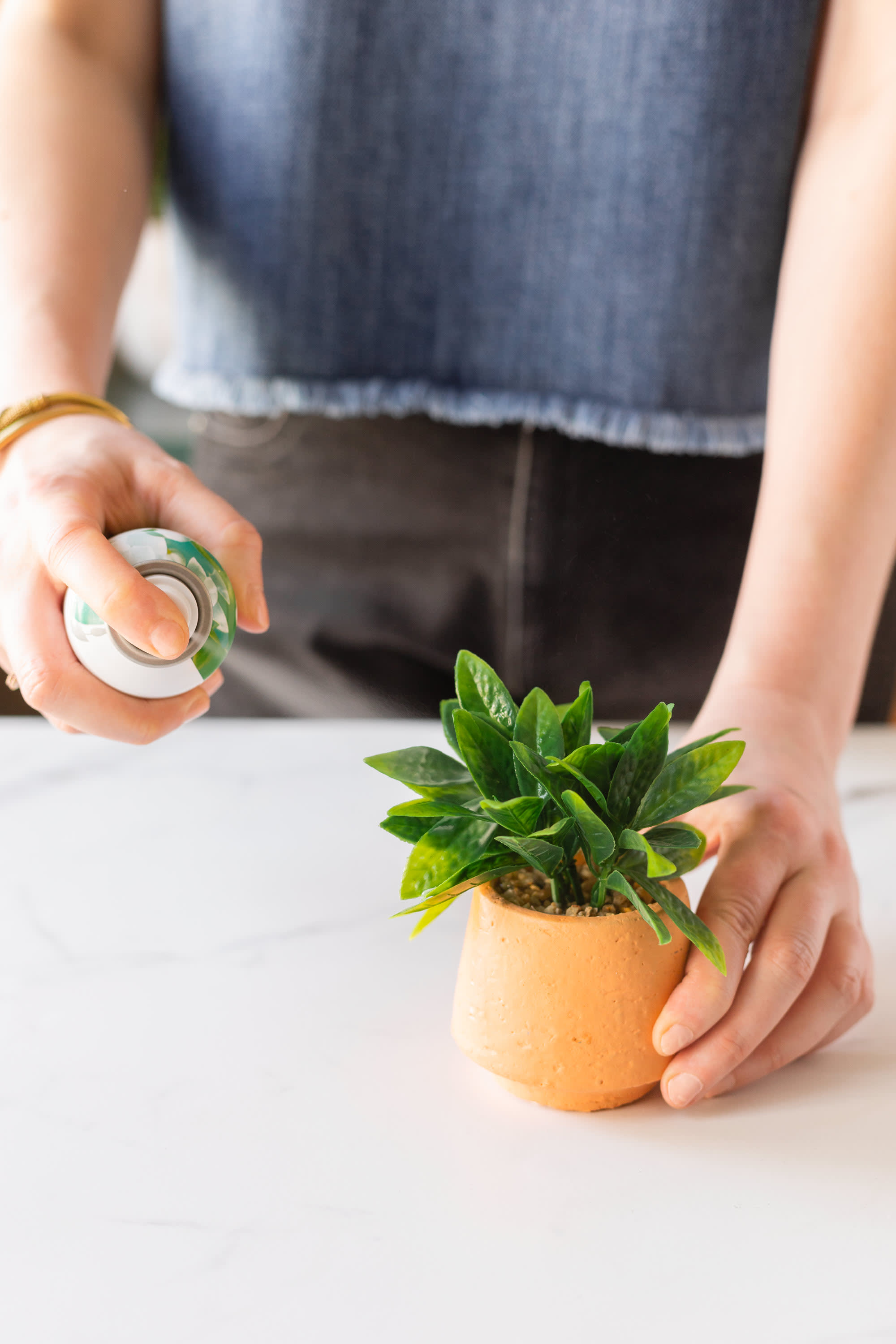
Protective sprays create a barrier on plant surfaces. They help repel dust and dirt. Choose sprays made for artificial plants. Test spray on a small area first to check for damage. Apply spray evenly and let it dry fully. Repeat every few months for best results. Protective sprays also reduce static cling that attracts dust.

Credit: simplepracticalbeautiful.com
Frequently Asked Questions
How Often Should I Clean Artificial Plants?
Clean artificial plants every 1 to 2 months to keep them dust-free. Frequent cleaning prevents buildup and maintains their appearance. Light dusting can be done weekly for better upkeep.
What Is The Best Way To Dust Artificial Plants?
Use a soft cloth or a microfiber duster to gently remove dust. Compressed air or a soft brush also works well for hard-to-reach spots. Avoid using water on delicate materials.
Can I Wash Artificial Plants With Water?
Yes, most artificial plants can be washed with water and mild soap. Rinse thoroughly and air dry completely before placing them back. Avoid soaking fragile parts to prevent damage.
Are Homemade Cleaners Safe For Artificial Plants?
Yes, a mix of water and mild dish soap is safe and effective. Avoid harsh chemicals or abrasive cleaners that can damage colors or textures. Test a small area first for safety.
Conclusion
Cleaning artificial plants keeps them looking fresh and bright. Dust and dirt can dull their colors quickly. Regular care helps your plants stay nice for a long time. Use gentle methods to avoid damage. A soft cloth or mild soap works well.
Remember to clean hard-to-reach spots too. Clean plants add beauty and a natural feel to any room. Small efforts make a big difference. Enjoy your clean, vibrant artificial plants every day.
As an Amazon Associate, I earn from qualifying purchases.