Your electric kettle is one of the busiest appliances in your kitchen. It heats your water quickly, making your tea, coffee, and meals easier and faster.
But have you ever thought about what’s inside your kettle? Over time, mineral deposits and stains build up, affecting the taste of your water and the kettle’s performance. If you want your kettle to work like new and keep your drinks tasting great, you need to clean it regularly.
You’ll discover simple, effective ways to clean your electric kettle safely and quickly. Keep reading to learn the best tips that will save you time and effort!
Choosing The Right Cleaning Supplies
Choosing the right cleaning supplies is key to keeping your electric kettle safe and working well. Using strong chemicals or wrong tools can damage the kettle’s surface or internal parts. It’s important to pick gentle and effective products that remove stains and buildup without harm.
Good cleaning supplies make the job easier and keep your kettle lasting longer. They help remove limescale and dirt quickly. Below are the best cleaning agents and tools to use for cleaning your electric kettle.
Safe Cleaning Agents
White vinegar is one of the safest and best cleaners for kettles. It breaks down limescale and mineral deposits. Use a mix of equal parts water and vinegar for best results.
Baking soda also works well. It gently scrubs away stains and neutralizes odors. Mix a small amount with water to form a paste.
Avoid harsh chemicals like bleach or strong detergents. These can leave harmful residues or damage the kettle’s heating element. Stick to natural and mild cleaners for safe use.
Tools You’ll Need
Soft sponges or cloths are ideal for cleaning the inside and outside. They clean well without scratching the surface.
A small brush helps reach hard-to-clean areas inside the kettle. Look for one with soft bristles to avoid damage.
Measuring cups or containers are useful for mixing cleaning solutions. They help control the right amount of cleaner and water.
Credit: alexismonod.com
Preparing The Kettle For Cleaning
Preparing your electric kettle for cleaning is the first step toward keeping it safe and efficient. Proper preparation prevents accidents and ensures thorough cleaning. Follow simple steps to get your kettle ready before you start.
Unplugging And Cooling Down
Always unplug the kettle from the power outlet. This stops any risk of electric shock during cleaning.
Let the kettle cool down completely. Hot kettles can burn your hands or damage cleaning tools.
Emptying The Kettle
Pour out any remaining water inside the kettle. Cleaning a dry kettle is easier and more effective.
Check for any loose dirt or debris inside. Remove any particles before you clean the surface.
Removing Limescale Build-up
Limescale build-up in electric kettles is a common problem. It happens when hard water leaves mineral deposits inside the kettle. These deposits can affect the kettle’s performance and taste of water. Removing limescale regularly keeps your kettle clean and working well.
Different methods work well to remove limescale. Some use natural ingredients, while others rely on special products. Choose the method that suits your needs and kettle type.
Using Vinegar Solution
Vinegar is an effective and natural way to remove limescale. Mix equal parts of white vinegar and water. Pour the solution into the kettle until it covers the affected areas. Let it sit for 30 minutes to one hour. Boil the solution if the limescale is thick. After boiling, discard the solution and rinse the kettle thoroughly. Repeat if needed for heavy build-up.
Using Lemon Juice
Lemon juice works as a gentle and fresh-smelling descaler. Fill the kettle with water and add lemon juice, about two tablespoons per cup. Boil the mixture and let it sit for 30 minutes. The acid in lemon breaks down the minerals easily. Pour out the water and rinse the kettle well. This method also leaves a clean, citrus scent.
Commercial Descaling Products
Special descaling products are available for electric kettles. These contain ingredients that dissolve limescale fast. Follow the instructions on the package carefully. Usually, you mix the product with water and boil it in the kettle. After boiling, let it sit for a while. Rinse the kettle multiple times to remove all residues. These products are safe and designed specifically for kettles.
Cleaning The Exterior
Cleaning the exterior of your electric kettle keeps it looking fresh and new. Dirt, dust, and spills can make the surface look dull. Regular cleaning prevents stains and buildup. It also helps keep your kitchen tidy and hygienic. Use gentle methods to protect the kettle’s finish and parts.
Wiping With A Damp Cloth
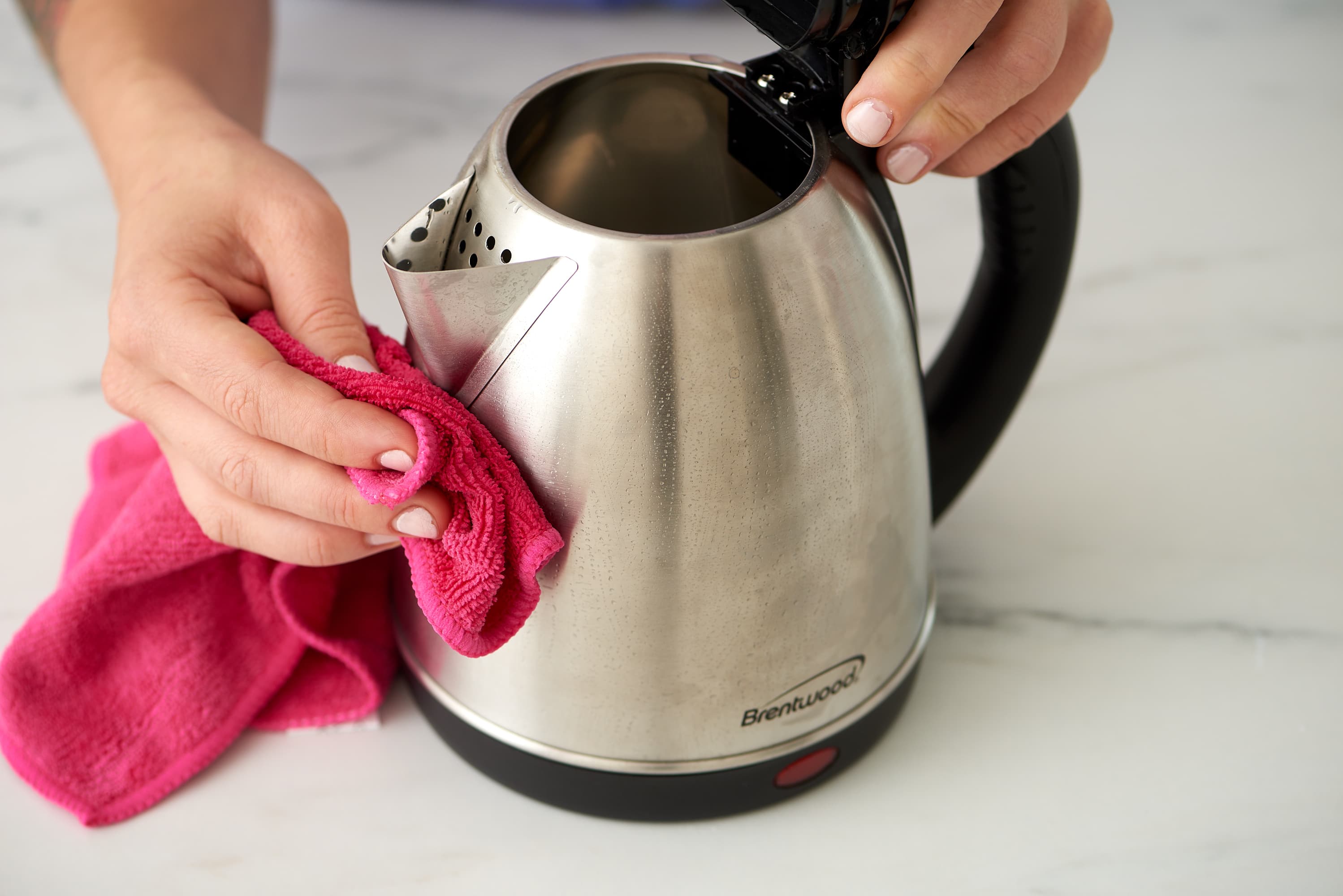
Start by unplugging the kettle and letting it cool. Use a soft cloth dampened with warm water. Gently wipe all outer surfaces. Avoid getting water near the electrical parts or the base. This removes dust and light dirt easily. Dry the kettle with a clean, dry cloth after wiping.
Handling Stubborn Stains
For tough stains, mix mild dish soap with warm water. Dip a cloth or sponge into the soapy water. Rub the stains gently to lift them. Avoid harsh scrubbing that can damage the surface. Use a clean damp cloth to wipe off soap residue. Dry the kettle fully before using it again.
Cleaning The Filter
The filter inside an electric kettle stops dirt and scale from pouring into your cup. Cleaning this filter keeps your kettle working well and your drinks fresh. It also helps the kettle last longer by preventing blockages.
Regular cleaning of the filter removes mineral build-up and small particles. This task is easy and only takes a few minutes. Follow the steps below to clean the filter safely and effectively.
Removing The Filter
First, unplug the kettle and let it cool down. Look for the filter near the spout inside the kettle. Most filters clip or twist out easily. Use your fingers or a small tool to gently remove it. Be careful not to break the filter or damage the kettle.
Soaking And Scrubbing
Fill a bowl with warm water and a little mild dish soap. Place the filter in the bowl and let it soak for 10 to 15 minutes. This softens any stuck particles or scale. After soaking, use a soft brush or old toothbrush to scrub the filter gently. Rinse the filter well under running water. Dry it with a clean cloth or let it air dry before putting it back.
Credit: tawanienterprises.com
Rinsing And Drying
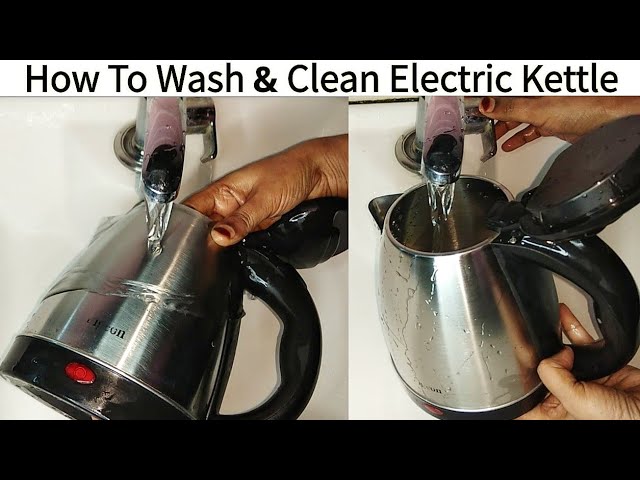
Rinsing and drying your electric kettle is an important step after cleaning. It helps remove leftover dirt and cleaning agents. Proper rinsing ensures no bad taste or smell remains. Drying prevents water spots and keeps the kettle fresh for the next use.
Flushing Out Residues
Fill the kettle with clean water. Boil the water and pour it out carefully. Repeat this two or three times. This flushes out any leftover cleaning solution or dirt. Use fresh water each time for best results. Make sure no soap or vinegar smell stays inside.
Air Drying Tips
Leave the kettle open to dry naturally. Place it upside down on a clean cloth or rack. This helps water drain out completely. Avoid wiping the inside with a cloth, which can leave fibers. Let air dry fully before storing or using again. This stops moisture build-up and mold growth.
Maintaining Your Electric Kettle
Maintaining your electric kettle helps it last longer and work better. Dirt and mineral build-up can affect its performance. Regular care keeps water tasting fresh and prevents damage.
Simple steps can keep your kettle clean and safe. Clean it often and avoid common mistakes. This saves time and money.
Regular Cleaning Schedule
Clean the kettle every one to two weeks. Use vinegar or lemon juice to remove mineral deposits. Fill the kettle halfway with the solution and boil. Let it sit for 15-20 minutes, then rinse well. Wipe the outside with a damp cloth regularly.
Empty the kettle after each use. Do not leave water inside for long. This stops bacteria and scale from growing.
Avoiding Common Mistakes
Do not immerse the kettle in water. It can damage the electrical parts. Never use harsh chemicals or abrasive scrubbers. They can scratch the surface and ruin the kettle.
Do not ignore signs of scale build-up. White or crusty deposits affect boiling speed. Clean the kettle soon after noticing these signs.

Credit: shop.feelcomfee.com
Frequently Asked Questions
How Often Should I Clean My Electric Kettle?
Clean your electric kettle every 1-2 weeks to prevent limescale buildup. Regular cleaning keeps it efficient and extends its lifespan.
What Is The Best Way To Descale An Electric Kettle?
Use equal parts water and white vinegar to fill the kettle. Boil the mixture, let it sit for 30 minutes, then rinse thoroughly.
Can I Use Lemon Juice To Clean My Electric Kettle?
Yes, lemon juice is a natural descaler. Boil water with lemon slices or juice in the kettle, then rinse well to remove residue.
How Do I Clean The Outside Of An Electric Kettle?
Wipe the exterior with a damp cloth and mild detergent. Avoid abrasive cleaners to prevent damaging the kettle’s surface.
Conclusion
Cleaning your electric kettle keeps it working well and safe. Regular care stops build-up and bad smells. Use simple ingredients like vinegar or lemon for easy cleaning. Rinse the kettle well after each clean to remove residue. A clean kettle heats water faster and tastes better.
Make cleaning a habit to enjoy fresh drinks every day. Small steps lead to a longer-lasting, efficient kettle. Keep it simple, clean often, and enjoy your hot beverages.
As an Amazon Associate, I earn from qualifying purchases.