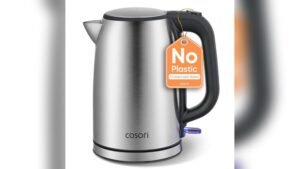
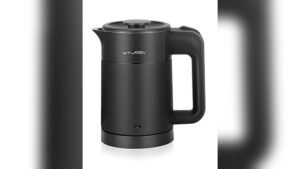
Your electric water kettle is one of the most used appliances in your kitchen. But have you ever stopped to think about how clean it really is inside?
Over time, mineral deposits and limescale build up, affecting the taste of your water and the kettle’s performance. Cleaning your kettle regularly is easier than you think, and it can save you money on replacements or repairs. In this guide, you’ll learn simple, effective steps to make your kettle spotless and working like new again.
Ready to get started? Let’s dive in.
Choosing The Right Cleaner
Choosing the right cleaner for your electric water kettle is important. The cleaner you pick affects the kettle’s lifespan and safety. Some cleaners remove limescale better, while others keep the kettle’s parts safe. Knowing the difference helps you keep your kettle clean and working well.
Natural Vs Chemical Cleaners
Natural cleaners come from ingredients like vinegar, lemon, or baking soda. They are safe and easy to find. These cleaners remove limescale gently without harming the kettle. Chemical cleaners act faster but may contain strong acids or harsh substances. These can damage the kettle’s surface or leave harmful residues. Natural cleaners work well for regular cleaning. Chemical cleaners suit tough stains but need careful use.
Safe Ingredients For Kettles
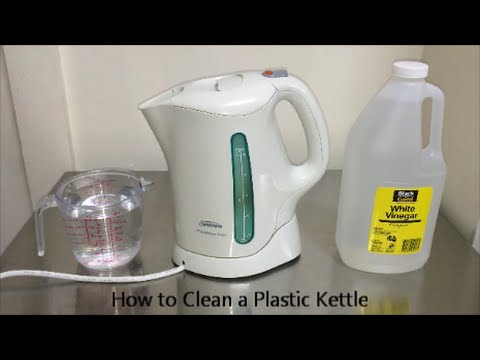
Choose cleaners with safe ingredients like white vinegar, citric acid, or baking soda. These break down limescale without harming metal or plastic parts. Avoid cleaners with bleach, ammonia, or strong acids. They can cause corrosion or leave toxic traces. Always rinse the kettle well after cleaning. This removes any cleaner residue. Safe ingredients keep your kettle clean and your water safe to drink.
Credit: thewave.global
Preparing The Kettle
Preparing your electric water kettle before cleaning is important. It helps make the cleaning process safe and easy. Start by making sure the kettle is ready to handle without any risks.
Unplugging And Cooling Down
Always unplug the kettle from the power outlet. This stops any chance of electric shock. Wait for the kettle to cool down completely. Hot kettles can burn your hands and cause accidents.
Cooling also helps avoid damage during cleaning. Never clean a kettle that is still hot or plugged in.
Emptying Remaining Water
Pour out all the water left inside the kettle. Water inside can spill and create messes during cleaning. Make sure the kettle is dry before you start.
Emptying the kettle also helps you see any dirt or scale buildup clearly. This way, you know where to focus your cleaning efforts.
Removing Limescale
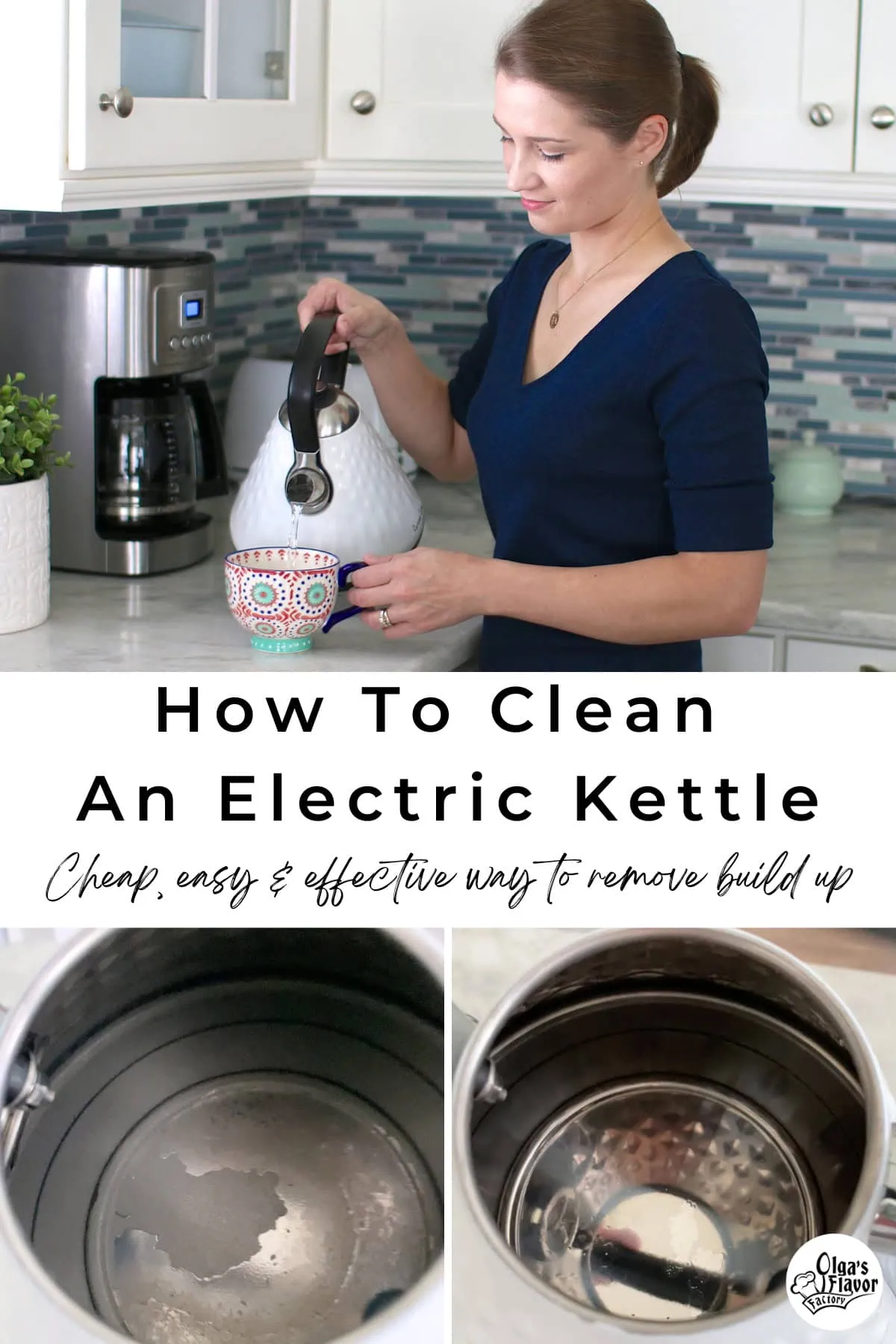
Limescale buildup can reduce your kettle’s efficiency and affect taste. Removing limescale keeps your kettle clean and working well. Regular cleaning prevents damage and extends its life. Here are simple methods to remove limescale safely.
Using Vinegar Solution
Vinegar is a natural and cheap way to remove limescale. Mix equal parts of water and white vinegar. Pour the solution into the kettle until it covers the limescale areas. Boil the mixture, then let it sit for 15-20 minutes. Empty the kettle and rinse it well with fresh water. Repeat if needed for tough buildup.
Applying Baking Soda Paste
Baking soda gently scrubs away limescale without damage. Make a thick paste using baking soda and a little water. Use a soft cloth or sponge to apply the paste inside the kettle. Rub the limescale spots carefully. Rinse the kettle thoroughly to remove all residue. This method works well for light limescale deposits.
Commercial Descaling Products
Store-bought descaling products are designed for electric kettles. Follow the instructions on the package carefully. Usually, mix the product with water and boil it in the kettle. Let the solution sit for the recommended time. Then, rinse the kettle several times with fresh water. These products work fast and remove tough limescale easily.
Cleaning The Exterior
Cleaning the exterior of an electric water kettle keeps it looking neat. It also helps maintain its function and safety. Dirt, dust, and stains can build up from daily use. Wiping the outside regularly stops grime from settling. Use gentle methods to avoid damage to the surface.
Wiping With Mild Detergent
Start by unplugging the kettle and letting it cool down. Mix a few drops of mild detergent with warm water. Dip a soft cloth into the soapy water and wring it out well. Wipe the kettle’s surface gently with the damp cloth. Avoid getting water inside the kettle or near the electrical parts. After cleaning, use a clean dry cloth to remove any moisture. This simple step restores the kettle’s shine and removes light dirt.
Handling Stubborn Stains
Stubborn stains need a stronger approach but still gentle. Make a paste with baking soda and a little water. Apply the paste on the stains using a soft cloth or sponge. Rub gently in small circles until the stain lifts. Avoid harsh scrubbing to protect the kettle’s finish. Wipe off the paste with a damp cloth. Dry the surface thoroughly to prevent water spots or rust. This method refreshes the kettle without harsh chemicals.
Cleaning The Filter
Cleaning the filter of your electric water kettle keeps the water pure and the kettle working well. The filter catches small particles and scale that can build up over time. Regular cleaning stops blockages and keeps the kettle safe to use.
Removing The Filter
First, unplug the kettle and let it cool down. Look inside the spout or near the water outlet to find the filter. Most filters are easy to remove by gently pulling or twisting. Check your kettle’s manual if unsure. Handle the filter carefully to avoid damage.
Soaking And Scrubbing
Fill a bowl with warm water and add a small amount of mild dish soap. Place the filter in the bowl and let it soak for 10 to 15 minutes. This softens any dirt or scale stuck on it. Use a soft brush or old toothbrush to scrub the filter gently. Rinse well under clean water to remove soap and loosened debris. Let the filter dry fully before putting it back.
Credit: www.olgasflavorfactory.com
Rinsing And Drying
Rinsing and drying are key steps to keep your electric water kettle clean and safe. Proper rinsing removes any cleaning agents and leftover residue. Drying stops water spots and prevents mold growth. Both steps help your kettle last longer and work better.
Thorough Rinse Techniques
Start by emptying the kettle completely. Fill it with fresh, clean water. Swirl the water around to wash away any leftover cleaning solution. Pour out the water and repeat this process two to three times. Use a soft cloth or sponge to wipe the inside gently. Avoid harsh scrubbing to protect the kettle’s surface.
Proper Drying Methods
After rinsing, leave the lid open. This helps air flow inside the kettle. Use a clean towel to dry the outside and rim. Do not use a wet cloth on the electrical parts. Let the kettle air dry fully before storing or using again. This prevents moisture buildup and keeps the kettle fresh.
Maintaining Your Kettle
Keeping your electric kettle clean helps it work well and last longer. Dirt and limescale can build up inside. This can change the taste of your water and slow heating. Regular care makes your kettle safe and fresh every time you use it.
Simple steps can keep your kettle in good shape. A few small habits help avoid big problems.
Regular Cleaning Schedule
Clean your kettle at least once a week. Empty any leftover water after use. Wipe the outside with a damp cloth. For deep cleaning, fill the kettle with water and a little vinegar or lemon juice. Let it sit for 15 minutes, then boil the water. Rinse well to remove any smell or taste. This removes most dirt and limescale.
Tips To Prevent Limescale Build-up
Use filtered water if possible to reduce minerals. Avoid leaving water in the kettle for long periods. Empty the kettle after each use and let it dry. Boil only the water you need. Limescale forms faster with hard water. Regular cleaning helps stop thick layers from forming. These small steps keep your kettle clean and working well.

Credit: sanvicentebenavente.es
Frequently Asked Questions
How Often Should I Clean My Electric Water Kettle?
Clean your electric kettle every 1-2 weeks to prevent limescale buildup. Frequent cleaning keeps the kettle efficient and extends its lifespan. Regular maintenance ensures better tasting water and avoids damage from mineral deposits.
What Is The Best Method To Descale An Electric Kettle?
Use equal parts water and white vinegar to descale. Boil the solution in the kettle, then let it sit for 20 minutes. Rinse thoroughly with fresh water to remove vinegar taste and limescale residue.
Can I Use Lemon To Clean My Electric Kettle?
Yes, lemon is a natural descaler. Add lemon juice or lemon slices with water, boil, and let it sit for 30 minutes. Rinse well to remove any acidic smell. It’s safe and environmentally friendly.
Is It Safe To Clean Electric Kettles With Baking Soda?
Yes, baking soda gently removes stains and odors. Mix baking soda with water to form a paste, apply inside the kettle, then scrub lightly. Rinse thoroughly to avoid any residue affecting water taste.
Conclusion
Cleaning your electric water kettle keeps it working well and safe. Regular cleaning stops build-up and bad smells. Use simple ingredients like vinegar or lemon for best results. Rinse the kettle well after cleaning to avoid taste changes. Doing this often saves money and makes your drinks taste better.
Keep your kettle fresh and enjoy hot water anytime. A clean kettle means healthier water and longer use. Simple steps lead to great results. Try it today!
As an Amazon Associate, I earn from qualifying purchases.