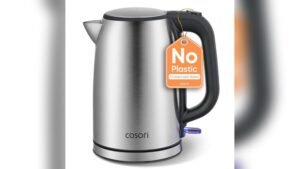
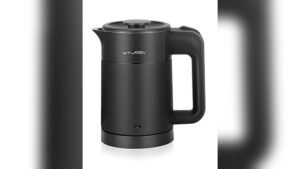
Is your electric kettle taking longer to boil or leaving white marks inside? That’s a clear sign it’s time to descale.
Descaling your kettle is simple, but many people overlook it. If you want your kettle to work efficiently and last longer, you need to remove those stubborn mineral deposits. You’ll discover easy, step-by-step methods to descale your electric kettle quickly and safely.
Keep reading to bring your kettle back to life and enjoy every cup of tea or coffee just the way you like it.

Credit: speechandvoice.com
Why Descale Your Kettle
Descaling your electric kettle is important for many reasons. Over time, minerals in water build up inside the kettle. This buildup, called limescale, can cause problems. Regular descaling keeps your kettle working well and lasts longer. It also helps you save energy and enjoy better-tasting water.
Effects Of Limescale
Limescale forms as white or gray crust inside your kettle. It blocks heat from reaching the water fast. This means your kettle takes longer to boil. It uses more electricity and costs more money. Limescale can also damage the kettle’s heating element. It may break the kettle or cause it to stop working.
Benefits Of Regular Cleaning
Cleaning your kettle often removes limescale and keeps it clean. It makes the water boil faster and saves energy. Regular cleaning helps your kettle last longer. It also keeps the water tasting fresh and pure. A clean kettle is safer and better for your health.

Credit: sanvicentebenavente.es
Signs Your Kettle Needs Descaling
Knowing when to descale your electric kettle saves time and keeps it working well. Scale buildup affects the kettle’s performance. It can cause damage if not treated early. Watch for clear signs that show your kettle needs cleaning.
Slow Boiling
Your kettle takes longer to boil water than before. Heat does not pass through scale easily. This makes boiling slower and uses more electricity. Slow boiling means the heating element is covered in scale.
Unusual Noises
Strange sounds, like crackling or popping, come from the kettle. These noises happen when water heats unevenly. Scale traps water and steam, causing these sounds. Noises indicate the kettle needs descaling soon.
Visible Scale Buildup
White or yellow deposits appear inside the kettle. This hard, chalky substance is limescale. It forms from minerals in water. Visible scale means it is time to clean your kettle properly. Leaving scale can harm your kettle over time.
What You Need To Descale
Descaling an electric kettle keeps it working well and stops bad smells. Hard water leaves deposits inside the kettle. These deposits need to be cleaned out regularly. To do this, gather a few simple items. Knowing what to use makes the process easy and quick.
Common Descaling Agents
White vinegar is a popular and cheap choice. It breaks down lime scale fast. Lemon juice works too. It smells fresh and cleans well. Baking soda mixed with water can help remove deposits gently. Some stores sell special descaling powders or liquids. These are made just for kettles and work quickly.
Tools And Supplies
You need a soft cloth or sponge to wipe inside. A brush with soft bristles helps reach corners. A measuring cup or spoon is useful to get the right amount of descaling agent. Always have clean water ready to rinse the kettle after cleaning. A bowl or sink space helps catch spills and rinse parts easily.

Credit: sanvicentebenavente.es
Step-by-step Descaling Process
Descaling an electric kettle helps keep it clean and working well. The process removes mineral build-up inside the kettle. These deposits can affect the kettle’s heating and taste of water. Follow these simple steps to descale your kettle safely and easily.
Prepare The Solution
Fill the kettle halfway with equal parts water and white vinegar. Vinegar is a natural cleaner that breaks down mineral deposits. Alternatively, you can use lemon juice instead of vinegar. Avoid using harsh chemicals that could damage the kettle.
Soak The Kettle
Turn on the kettle and bring the solution to a boil. Once boiled, switch off the kettle and let it sit for 30 minutes. This allows the solution to dissolve the limescale inside. For tough build-up, let it soak longer or overnight.
Scrub And Rinse
After soaking, pour out the solution carefully. Use a soft sponge or cloth to scrub the inside gently. Avoid abrasive materials that can scratch the kettle’s surface. Rinse the kettle several times with clean water to remove all residue. Boil fresh water once or twice before use.
Tips For Maintaining A Clean Kettle
Keeping your electric kettle clean helps it last longer and work better. Scale buildup can cause your kettle to heat slowly and use more energy. Small daily habits prevent big problems later.
Follow simple steps to keep your kettle free from limescale and dirt. Clean water and regular care make a big difference.
Regular Descaling Schedule
Descale your kettle every 1 to 3 months. This depends on how hard your water is. Hard water causes more scale buildup. Use vinegar or lemon juice as natural descalers. Run the solution through the kettle and rinse well. Regular descaling stops scale from building up too much. It keeps your kettle clean and fast.
Using Filtered Water
Filtered water has fewer minerals that cause scale. Using filtered water reduces limescale inside your kettle. It keeps the heating element cleaner. This means your kettle heats water quickly. Using filtered water also improves the taste of your tea or coffee. It is a simple way to keep your kettle clean longer.
When To Replace Your Kettle
Knowing when to replace your electric kettle saves time and prevents risks. Descaling helps remove mineral buildup, but it cannot fix all problems. Some kettles wear out or break beyond repair. Recognizing these signs ensures safety and efficiency in your kitchen.
Signs Of Irreparable Damage
Cracks in the kettle body or lid mean it may leak. A damaged heating element causes uneven or no heating. Rust inside the kettle affects water quality and health. The kettle stops turning off automatically, which is unsafe. Strange noises or smells during use signal internal issues. If cleaning does not fix these problems, replacement is necessary.
Choosing A New Kettle
Select a kettle with a good safety feature like automatic shut-off. Look for models with easy-to-clean designs to prevent scale build-up. Consider energy-efficient kettles that boil water faster and save power. Choose a size that fits your daily water needs. Check reviews to find durable and reliable options. Simple features matter most for long-term satisfaction.
Frequently Asked Questions
How Often Should I Descale My Electric Kettle?
Descale your electric kettle every 1-3 months depending on water hardness. Frequent descaling prevents limescale build-up and ensures efficient heating. Regular maintenance extends the kettle’s lifespan and keeps water tasting fresh.
What Are The Best Descaling Solutions For Kettles?
White vinegar, lemon juice, and commercial descaling products work well. These solutions dissolve limescale safely without damaging the kettle. Use natural acids like vinegar for an eco-friendly option.
Can I Use Baking Soda To Descale My Kettle?
Baking soda is not recommended for descaling kettles. It doesn’t dissolve limescale effectively and may leave residue. Stick to acidic solutions like vinegar or lemon juice for best results.
Is It Safe To Use Vinegar In Electric Kettles?
Yes, using white vinegar is safe and effective for descaling electric kettles. Dilute it with water before boiling to remove limescale gently. Rinse thoroughly after descaling to eliminate vinegar smell.
Conclusion
Descaling your electric kettle keeps it working well and lasting longer. Regular cleaning stops mineral build-up that can harm the kettle. Use simple ingredients like vinegar or lemon juice for safe cleaning. Rinse the kettle thoroughly after descaling to remove any taste.
Clean your kettle every few weeks if you use it daily. A clean kettle means better tasting water and faster boiling. Taking small steps helps your kettle stay in top shape. Easy to do, good to do.
As an Amazon Associate, I earn from qualifying purchases.