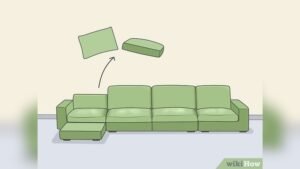
Have you ever faced the challenge of moving your bulky sectional sofa through narrow doorways or tight staircases? Disassembling your sectional sofa might sound tricky, but with the right steps, you can do it yourself without stress or damage.
In this guide, you’ll learn simple, clear instructions to take apart your sectional sofa safely and efficiently. Keep reading, and you’ll discover easy tips that save you time, effort, and even money on professional help. Let’s get started!
Tools Needed
Disassembling a sectional sofa is easier with the right tools. Having these tools ready saves time and prevents damage. Each tool helps with a specific part of the sofa. Prepare your workspace and gather these items before starting.
Screwdriver Set
A good screwdriver set is essential. Most sectionals have screws holding parts together. Use both flathead and Phillips screwdrivers. They help loosen and tighten screws safely. Avoid using the wrong size to prevent stripping screws.
Wrench Or Socket Set
Many sofas use bolts that need a wrench or socket. Choose a set with multiple sizes. This helps fit different bolt heads. Using the correct wrench makes removing bolts quick and easy.
Rubber Mallet
A rubber mallet helps separate tight parts without damage. It is softer than a regular hammer. Use gentle taps to loosen joints or connectors. This tool protects wood and upholstery from dents.
Utility Knife
Sometimes fabric or tape covers connectors. A utility knife cuts through these safely. Be careful to avoid cutting the sofa fabric itself. Use a sharp blade for clean cuts and less effort.
Plastic Pry Tools
Plastic pry tools help remove clips or panels. They prevent scratches on wood or metal. These tools slide into small gaps for gentle lifting. Avoid metal tools that can cause damage.
Measuring Tape
Measuring tape helps check the size of sofa parts. This is useful for planning transport or storage. Measure before disassembly to avoid surprises later. Keep the tape handy throughout the process.
Prepare The Workspace
Preparing the workspace makes disassembling a sectional sofa easier and safer. A clean, open area helps you move parts without damage. It also protects your floors and walls.
Clear the space near the sofa. Remove rugs, decorations, and fragile items. This prevents accidents and gives you room to work freely.
Gather tools and materials before starting. Have screwdrivers, pliers, and a flashlight ready. Keep a box nearby for screws and small parts.
Clear The Area Around The Sofa
Remove all obstacles near the sofa. Clear space on all sides for easy access. This helps avoid bumps and scratches during the process.
Protect Floors And Walls
Place blankets or cardboard under the sofa. Protect floors from scratches and dirt. Cover walls if the sofa is close to them.
Gather Necessary Tools And Supplies
Collect all needed tools before you start. Use screwdrivers, wrenches, and gloves. Keep small containers for screws and clips.
Remove Cushions And Pillows
Removing cushions and pillows is the first step in disassembling a sectional sofa. This step makes the process easier and protects the cushions from damage. It also gives clear access to the sofa frame and connectors.
Start by taking off all loose cushions. These usually sit on top of the sofa and can be lifted away easily. Pillows often sit behind or beside cushions and must be removed as well.
Gather All Loose Cushions
Check every part of the sectional for loose cushions. Remove seat cushions first by lifting them straight up. Back cushions may be attached but often come off with a little pull. Place all cushions in a safe, clean area.
Remove Pillows Carefully
Look for throw pillows or decorative pillows on the sofa. Pick them up gently to avoid tearing fabric or damaging stuffing. Keep pillows with the cushions for easier reassembly later.
Check For Attached Cushions
Some cushions connect with Velcro or zippers. Locate these fasteners and undo them slowly. Avoid pulling hard to prevent ripping fabric. Set attached cushions aside carefully.
Disconnect The Sections
Disconnecting the sections of your sectional sofa is the key step before moving or cleaning. Each piece fits tightly with others to form a large couch. Separating them makes handling easier and prevents damage.
Follow the steps carefully to avoid breaking connectors or fabric. Take your time to find all connection points. Use the right tools for unscrewing or unclipping fasteners. This part is simple but requires patience.
Locate Connection Points
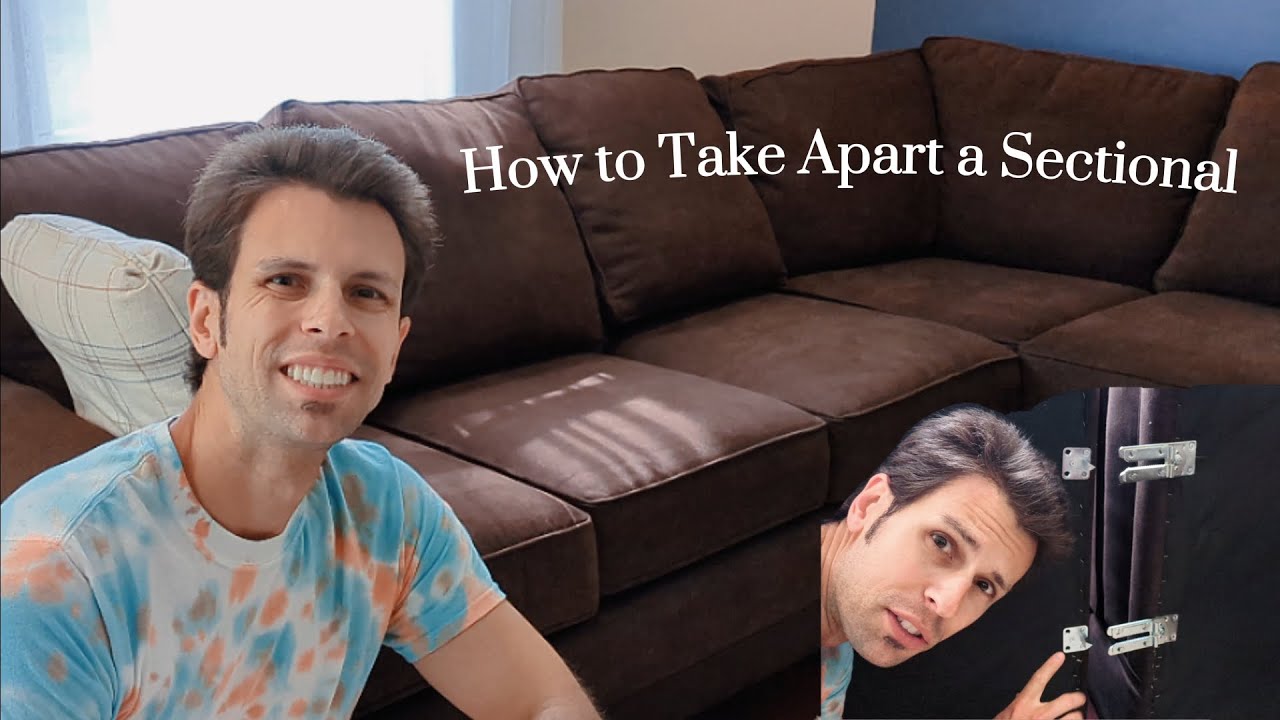
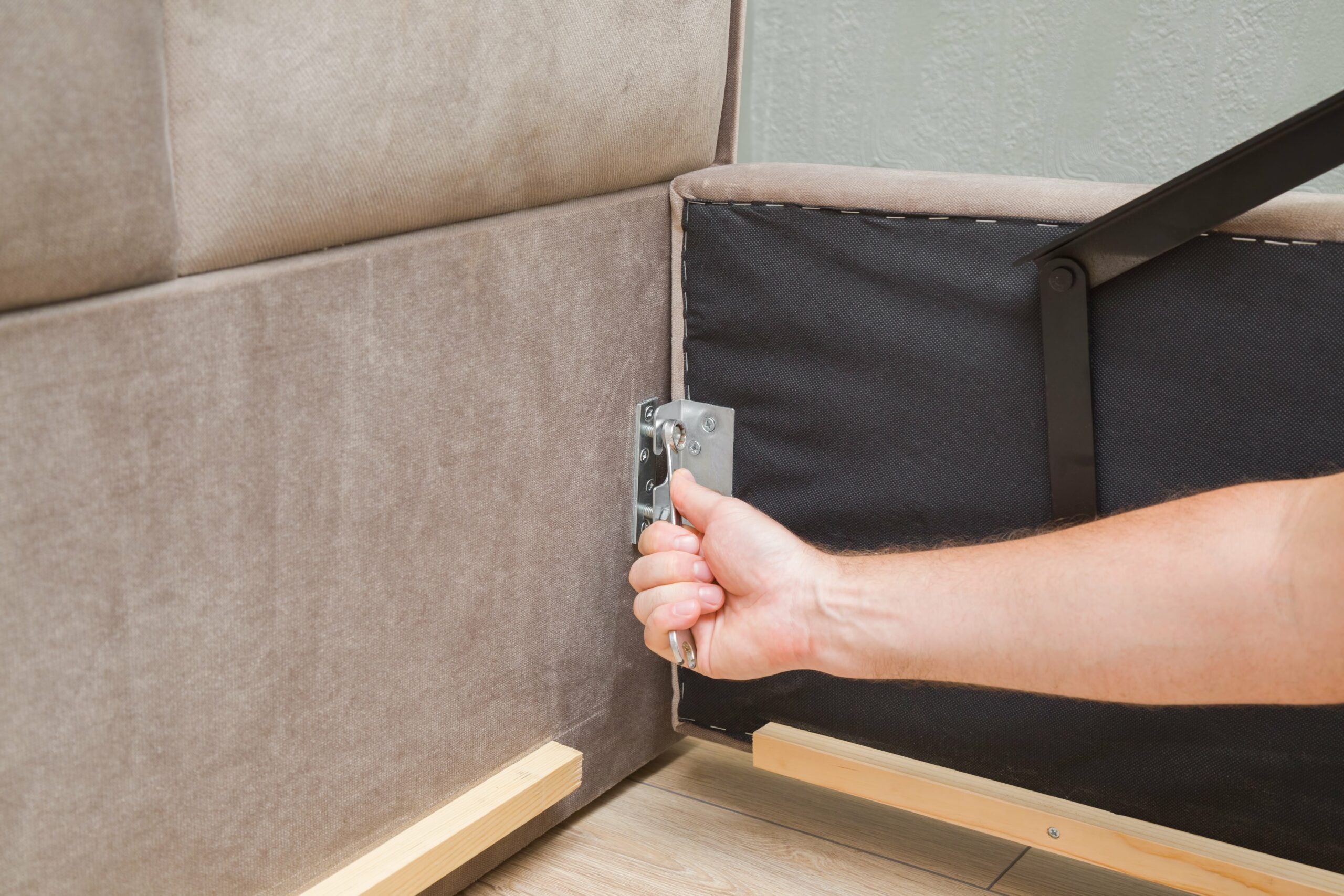
Look under the sofa where two pieces meet. You will see metal brackets or clips. These hold the sections together firmly. Sometimes the connectors hide inside the frame. Check sides and corners too.
Mark each connection point with a small piece of tape. This helps when you reassemble later. Count how many connectors you find. Make sure no fasteners are missing or loose.
Unclip Or Unscrew Fasteners
Start by unclipping plastic or metal clips. Use your fingers or a flat tool. Be gentle to avoid bending clips out of shape. If screws hold the sections, use a screwdriver.
Turn screws counterclockwise until they come out. Keep all screws and clips in a small container. This prevents losing any parts. Slowly pull the sections apart once all fasteners are removed.
Detach Sofa Legs
Detaching the sofa legs is an important step when disassembling a sectional sofa. Removing the legs makes the sofa lighter and easier to handle. It also prevents damage to floors during moving or storage.
Most sofa legs are designed to be removed without tools. Some may require a simple wrench or screwdriver. Take care to avoid scratching or breaking the legs.
Locate The Sofa Legs
Start by turning the sofa on its side or upside down. Find each leg attached to the base. Check for screws, bolts, or simply threaded legs.
Unscrew Or Unclip The Legs
Use the right tool to unscrew bolts or screws holding the legs. For threaded legs, twist them counterclockwise by hand. Keep all screws and bolts safe.
Protect The Legs And Sofa
Place removed legs in a box or wrap them in cloth. Avoid dropping or banging them. Cover the sofa base to prevent scratches or dents.
Credit: www.youtube.com
Label And Organize Parts
Labeling and organizing parts is a key step in disassembling a sectional sofa. It helps keep track of every piece, so reassembly is easy. Without labels, small parts can get lost or mixed up. Organizing parts saves time and reduces stress later.
Start by gathering labels, tape, and a marker. Use these to mark each piece clearly. Write simple names or numbers on the labels. Attach them to the parts right after you remove them. This habit prevents confusion and mix-ups.
Use Clear And Simple Labels
Choose labels that are easy to read. Write short, clear names like “Left Arm” or “Seat 1.” Avoid long or complex descriptions. Clear labels help you find pieces quickly during reassembly.
Group Similar Parts Together
Keep screws, bolts, and small hardware in separate containers. Group similar pieces in small bags or boxes. Label each container with the part type. This keeps all pieces safe and easy to find.
Arrange Parts In Order Of Removal
Lay out parts in the order you take them off. This visual order helps during reassembly. It shows which piece connects next. Keeping parts in order prevents mistakes and speeds up the process.
Take Photos For Reference
Snap pictures of each part before labeling. Capture how parts fit together. Photos act as a visual guide when you rebuild the sofa. This extra step avoids confusion and errors.
Store Or Transport Safely
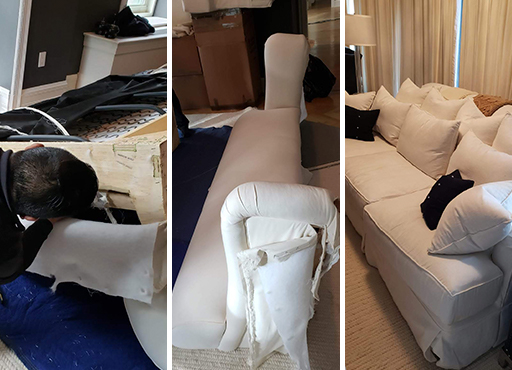
Storing or transporting a sectional sofa requires care to keep it safe. Proper steps protect the pieces from damage during moves or storage. Wrapping and securing each part is key. This keeps your sofa clean and intact.
Wrap Each Section Carefully
Use blankets or moving pads to cover every sofa piece. This prevents scratches and dirt from settling. Secure the covers with tape or straps. Avoid plastic wrap, which can trap moisture and cause damage.
Label All Parts Clearly
Mark each section with its location and orientation. Labels help during reassembly and prevent confusion. Use masking tape and a marker for easy removal later. This saves time and stress when setting up again.
Use Proper Moving Equipment
Carry sofa pieces with dollies or hand trucks. These tools reduce strain and avoid dropping parts. Protect corners with foam or padding to soften impacts. Always lift with your legs, not your back.
Store In A Dry, Safe Place
Choose a storage area free from moisture and pests. Keep sofa parts off the floor on pallets or shelves. Cover them loosely to allow air circulation. This prevents mold, mildew, and damage over time.
Credit: drsofa.com
Tips For Reassembly
Reassembling a sectional sofa can be easier with the right tips. Careful planning saves time and effort. Keep parts organized and follow steps in order.
Small details matter during reassembly. Taking your time ensures the sofa looks good and stays strong.
Organize All Pieces Before Starting
Lay out all sofa parts in one place. Group similar pieces like cushions, legs, and connectors. Check for screws and bolts. This helps avoid missing parts later.
Refer To Photos Or Notes Taken During Disassembly
Use photos or notes as a guide. They show how parts fit together. This makes the process faster and reduces mistakes.
Attach Sections Firmly But Gently
Connect each section carefully. Tighten screws just enough to hold parts. Avoid overtightening, which can cause damage.
Align Cushions And Supports Correctly
Place cushions in the right order. Make sure support pieces fit snugly. Proper alignment improves comfort and sofa stability.
Test Stability Before Final Tightening
Check the sofa for wobbling or gaps. Adjust connections as needed. Only then tighten bolts fully for safety.
Credit: sofamover.com
Frequently Asked Questions
How Do I Start Disassembling A Sectional Sofa?
Begin by removing cushions and pillows. Then, carefully detach any clips or brackets holding the sections together. Use basic tools like a screwdriver for screws. Work slowly to avoid damage. Always keep hardware in a safe place for reassembly.
What Tools Are Needed To Disassemble A Sectional Sofa?
You typically need a screwdriver, pliers, and possibly an Allen wrench. Some sofas may require a wrench or socket set. Check the sofa’s manual for specific tools. Having a flashlight can help in tight spaces. Use gloves to protect your hands.
Can I Disassemble A Sectional Sofa Alone?
Yes, but it’s easier with help. A second person can hold sections steady. Large or heavy pieces might be difficult to manage solo. Take your time to avoid injury or damage. If unsure, ask for assistance.
How Do I Avoid Damaging My Sectional Sofa?
Remove cushions and hardware gently. Use the correct tools to prevent stripping screws. Keep parts organized to avoid losing anything. Avoid forcing pieces apart; wiggle connectors carefully. Protect the fabric with blankets or towels during the process.
Conclusion
Disassembling a sectional sofa can be simple and stress-free. Take your time and follow the steps carefully. Keep track of screws and small parts. Use basic tools like screwdrivers and pliers. Working with a helper can make the job easier.
Once done, you can move or store your sofa more easily. Enjoy the extra space and flexibility this gives you. With patience, anyone can handle this task well. Give it a try and see how smooth the process can be.
As an Amazon Associate, I earn from qualifying purchases.