
Are you ready to create a coffee table that fits perfectly in your space and matches your style? Making your own coffee table is easier than you think, and it gives you a unique piece that no store can offer.
Imagine the satisfaction of sitting back with a cup of coffee, knowing you built the table yourself. In this guide, you’ll discover simple steps and useful tips that anyone can follow—even if you’ve never built furniture before. Keep reading, and by the end, you’ll have all the tools and confidence to start your own project today.
Choosing The Right Design
Choosing the right design for your coffee table is important. It sets the tone for your living space. A well-chosen design makes the table both useful and stylish. Consider the room’s style and your needs before starting.
Selecting The Style
Pick a style that matches your room’s look. Modern, rustic, or classic styles work well. Think about the furniture around the table. The table should fit with your sofa and chairs. A simple design often looks clean and neat. Curved edges add softness. Straight lines create a sharp, modern feel.
Determining The Size
Measure the space where the table will sit. Make sure there is enough room to move around. A small table suits a cozy room. Large rooms can hold bigger tables. The table height should match the sofa’s seat height. This keeps it comfortable to use. Avoid tables that are too tall or short.
Picking Materials
Choose materials that fit your style and budget. Wood is warm and classic. Metal offers a sleek, modern look. Glass tops make the room feel open and bright. Think about how much care each material needs. Wood can scratch but is easy to fix. Glass needs regular cleaning. Metal is strong but may scratch or rust.

Credit: www.youtube.com
Gathering Tools And Supplies
Gathering the right tools and supplies is the first step in making a coffee table. Having everything ready helps the project run smoothly and saves time. It also ensures you work safely and create a sturdy table. Below is a clear list of what you need to get started.
Essential Tools List
- Measuring tape for accurate cuts
- Hand saw or circular saw for cutting wood
- Power drill with drill bits
- Screwdriver set for assembling parts
- Sanding block or electric sander for smooth edges
- Clamps to hold pieces in place
- Wood glue for extra strength
- Pencil for marking measurements
- Square ruler to check corners
Recommended Materials
- Wood boards like pine or oak for the tabletop
- Wood planks for the legs and frame
- Screws and nails to join parts
- Wood stain or paint for finishing
- Clear wood sealant to protect the surface
- Sandpaper in different grits
Safety Gear
- Safety glasses to protect your eyes
- Work gloves to guard your hands
- Dust mask to avoid inhaling sawdust
- Ear protection if using loud power tools
- Close-toed shoes to protect your feet
Preparing The Workspace
Preparing your workspace is the first step to making a coffee table. A clean, organized area helps you work safely and efficiently. It also makes the building process more enjoyable and less stressful.
Clearing The Area
Start by removing all items from your work area. Clear away furniture, tools, and debris. This creates space to move freely and handle materials. A tidy space lowers the risk of accidents and damage to your project.
Setting Up Workbench
Place your workbench in a well-lit spot. Make sure it is stable and at a comfortable height. A solid workbench supports your materials firmly. This helps you cut, sand, and assemble with precision.
Organizing Tools
Gather all tools needed for your coffee table project. Arrange them within easy reach on your workbench. Organize by type and size for quick access. This saves time and keeps your workflow smooth.
Cutting And Shaping Wood
Cutting and shaping wood is a key step in making a coffee table. It gives your project the right size and look. This part takes careful work and focus. You must follow exact measurements and use tools properly. Doing this well helps your table look good and last long.
Measuring And Marking
Start by measuring the wood pieces carefully. Use a tape measure for accuracy. Mark the wood with a pencil on the cutting line. Check your marks twice before cutting. Clear, straight lines make cutting easier and cleaner. Correct measurements keep your table parts fitting well together.
Using Saws Safely
Choose the right saw for your wood type and cut. Hold the wood firmly on a stable surface. Keep your hands away from the blade path. Cut slowly and steadily along your marks. Wear safety glasses to protect your eyes. Follow all safety rules to avoid accidents.
Sanding Edges
After cutting, the wood edges can be rough. Use sandpaper or a sanding block to smooth them. Sand in one direction for a neat finish. Check edges for splinters or sharp spots. Smooth edges improve your table’s look and feel. They also make the table safer to touch.
Assembling The Table Frame
Assembling the table frame is a key step in making a coffee table. This step holds the table together and gives it shape. Careful work here ensures your table will last long and stand firm. Take your time to join the parts correctly. Use the right tools and materials for the best results.
Joining Techniques
Start by choosing the right joining method. Common ways include butt joints, dowels, or mortise and tenon. Butt joints are simple and quick. Dowels add strength and help align pieces. Mortise and tenon joints are strong but need more skill. Match the technique to your skill level and tools. Good joints keep the table steady and safe.
Securing With Screws And Glue
Use screws and glue to hold the frame parts tightly. Apply wood glue on the joint surfaces for a strong bond. Then, drive screws into the wood to lock everything in place. Pre-drill holes to avoid splitting the wood. Screw placement matters; keep screws evenly spaced. Let the glue dry fully before moving on.
Checking For Stability
After assembly, check if the frame is stable. Place the frame on a flat surface. Press gently on different corners to test firmness. Look for any wobbling or loose joints. Tighten screws or add glue if needed. A solid frame means your coffee table will stay steady over time.
Attaching The Tabletop
Attaching the tabletop is a key step in building your coffee table. This part makes sure the top is stable and looks good. Take your time to do it right. A strong tabletop keeps the table steady and safe to use.
Aligning The Surface
Place the tabletop on the base carefully. Check that the edges match perfectly. Use clamps to hold the top in place. This stops the surface from moving while you work. Good alignment prevents wobbling later.
Fixing With Fasteners
Choose screws or bolts for strong fixing. Drill pilot holes to avoid wood splitting. Attach the tabletop to the frame with fasteners. Tighten them evenly to hold the top tight. Avoid over-tightening; it can crack the wood.
Ensuring Evenness
Use a level tool to check the tabletop’s flatness. Adjust the fasteners if the surface tilts. Add shims under the base if needed. Make sure all legs touch the floor evenly. A flat tabletop keeps drinks and items steady.
Finishing Touches
Finishing touches bring your coffee table to life. This step makes it look complete and protects it. Careful finishing adds beauty and strength to your project. Choose the right methods for a polished result.
Applying Stain Or Paint
Stain shows the wood grain and adds color. Use a brush or cloth to apply it evenly. Let the stain dry well before the next step. Paint hides the wood grain but gives vibrant color. Use smooth strokes and thin coats for best results. Allow each coat to dry before adding another.
Adding Protective Coating
A protective coating keeps your table safe from scratches and spills. Polyurethane or varnish works well for this. Apply thin layers with a clean brush. Let each layer dry fully before applying the next. Sand lightly between coats for a smooth finish. This step helps your table last longer.
Decorative Elements
Decorative touches add personality to your coffee table. Consider adding metal corners or stencils for a unique look. Use small knobs or handles for style and function. Add decals or patterns carefully for a custom design. These details make your table stand out in any room.

Credit: liagriffith.com
Maintenance Tips
Keeping your coffee table in good shape requires regular care. Simple maintenance helps the table look fresh and last longer. Follow easy steps to clean, fix, and protect your table.
Cleaning Best Practices
Dust your coffee table often with a soft cloth. Use a damp cloth for sticky spots. Avoid harsh chemicals that can damage the finish. Dry the surface after cleaning to stop water marks.
Repairing Minor Damages
Fix small scratches with a wood marker or wax stick. For loose joints, apply wood glue and clamp the parts until dry. Sand rough areas lightly before applying touch-up paint or stain. Act quickly to stop damage from worsening.
Extending Table Lifespan
Place coasters under drinks to prevent rings. Avoid direct sunlight to stop fading and warping. Rotate decorative items to avoid uneven wear. Tighten screws and bolts regularly to keep the table stable.
Credit: lovegrowswild.com
Frequently Asked Questions
What Materials Are Needed To Make A Coffee Table?
You need wood, screws, wood glue, sandpaper, and finish. Optional tools include a saw, drill, clamps, and measuring tape. Choose durable wood like pine or oak for strength and style.
How Long Does It Take To Build A Coffee Table?
Building a coffee table usually takes 4 to 8 hours. Time varies based on skill level, design complexity, and drying time for finishes. Planning ahead speeds up the process.
What Is The Easiest Coffee Table Design For Beginners?
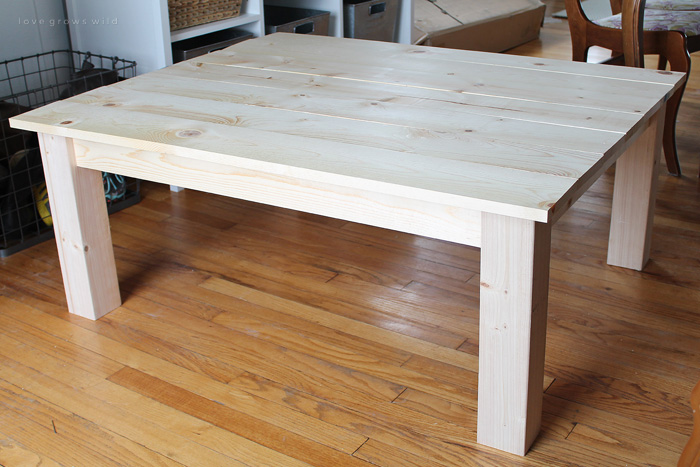
A simple rectangular design with four legs is easiest. It requires basic cuts and assembly, perfect for first-timers. Focus on smooth finishes and sturdy joints.
How Do I Finish A Homemade Coffee Table?
Sand the surface smooth, then apply stain or paint. Finish with a clear sealant or varnish to protect the wood. Allow each layer to dry completely before adding the next.
Conclusion
Making a coffee table can be a fun and rewarding project. It allows you to create something useful and unique for your home. By following clear steps, you can build a table that fits your style and space. Remember to take your time and enjoy the process.
A handmade coffee table adds charm and personal touch to any room. Start with simple materials and tools, and you will see great results. Your effort will show in the final piece. Give it a try and enjoy your new coffee table.
As an Amazon Associate, I earn from qualifying purchases.