Measuring your window for curtains might seem simple, but getting it right can make all the difference in how your room looks and feels. If you measure incorrectly, your curtains might be too short, too narrow, or just not fit the style you want.
But don’t worry—you’re about to learn an easy, step-by-step way to measure your window perfectly. By the end of this article, you’ll have the confidence to choose curtains that fit flawlessly and transform your space. Ready to get started? Let’s dive in!
Tools Needed
Measuring a window for curtains needs the right tools. These tools help you get accurate sizes. Accurate measurements mean curtains fit perfectly. Here is a list of tools you will need.
Measuring Tape
A measuring tape is the main tool for this job. Use a metal or cloth tape that is at least 60 inches long. It helps you measure the width and height of the window frame easily.
Step Stool Or Ladder
A step stool or ladder helps you reach the top of tall windows. It makes measuring safer and more accurate. Never stretch too far to measure.
Notebook And Pen
Write down your measurements as you take them. A notebook and pen keep your notes organized. This stops confusion later when buying curtains.
Level
A level ensures your measurements are straight and not slanted. This tool helps measure the window frame accurately. It is especially useful for older windows that may not be perfectly square.
Helper
Having a helper makes measuring easier. One person can hold the tape while the other reads and writes the numbers. It saves time and prevents errors.
Types Of Window Measurements
Measuring a window correctly is key to choosing the right curtains. Different types of measurements help get a perfect fit. These measurements include width, height, and depth. Each plays a special role in curtain installation and appearance.
Width Measurement
Width is the horizontal distance across the window. Measure from one side of the frame to the other. For inside mount curtains, measure inside the window frame. For outside mount, measure the full width you want covered. Add extra inches for curtain overlap and fullness. This ensures curtains close fully and look balanced.
Height Measurement
Height is the vertical distance from top to bottom. Measure from the top where the curtain rod will sit. Down to the window sill or floor, depending on curtain style. Add extra length if curtains will hang below the sill or touch the floor. Accurate height prevents curtains from looking too short or dragging.
Depth Measurement
Depth is the space between the window and the wall. Measure how far the window sticks out from the wall. This matters for choosing curtain rods and brackets. Proper depth allows curtains to hang freely without blocking the window. It also helps avoid damage to walls or window hardware.
Measuring Inside Mount Windows
Measuring inside mount windows requires accuracy and care. Curtains fit inside the window frame for a clean look. Precise measurements ensure the curtains hang perfectly without gaps or crowding.
Use a metal tape measure for exact numbers. Avoid fabric tapes as they can stretch and give wrong results. Measure the width and height separately, noting each measurement carefully.
Measuring Width
Measure the inside width of the window frame. Take the measurement from one inside edge to the other. Measure at the top, middle, and bottom of the frame. Use the smallest measurement to avoid curtains that won’t fit.
Measuring Height
Measure the inside height of the window frame. Start at the top inside edge and measure down to the window sill. Check the height at the left, center, and right sides. Use the longest measurement for full coverage.
Credit: www.sophieallport.com
Measuring Outside Mount Windows
Measuring outside mount windows for curtains is simple and ensures a perfect fit. This method places the curtain rod outside the window frame. It covers the entire window and adds a stylish look. Measure carefully to avoid mistakes and get the right curtain size.
Measuring Width
Use a steel tape measure for accuracy. Measure the width of the area you want to cover. Start from one side of the window frame to the other. Add extra inches on both sides. This space allows the curtains to fully cover the window and look balanced.
Measuring Height
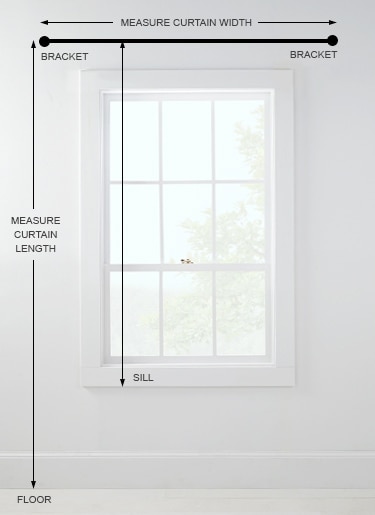
Measure from the top where the curtain rod will sit down to where you want the curtain to end. Decide if the curtain should touch the floor or stop at the window sill. Add a few extra inches for proper curtain length. This ensures a neat, tailored appearance.
Choosing Curtain Length
Choosing the right curtain length is key to making your windows look great. The length affects how the curtains hang and the room’s style. Different curtain lengths create different moods and fit various window types. Knowing the options helps you pick the best size for your space.
Sill Length Curtains
Sill length curtains end just at the window sill. This style works well for kitchens or small windows. It lets light in while adding some privacy. These curtains are easy to clean and keep the room bright. They give a neat and tidy look without covering too much wall.
Below Sill Curtains
Below sill curtains hang a few inches below the window sill. This length offers more coverage than sill length but avoids touching the floor. It suits casual rooms or spaces with radiators under the window. These curtains balance style and function well. They add softness without overwhelming the window.
Floor Length Curtains
Floor length curtains reach the floor or just brush it. They add elegance and make windows look taller. This length is perfect for living rooms and bedrooms. Floor length curtains can create a cozy and luxurious feel. They also help block more light and improve insulation.
Credit: www.vermontcountrystore.com
Accounting For Curtain Rod Placement
Measuring a window for curtains is not just about the window size. The curtain rod placement affects the final look and function of your curtains. Proper placement ensures curtains hang well and cover the window fully. It also helps create the right style and feel in the room. You must consider how high and wide to place the rod.
Choosing The Height For The Curtain Rod
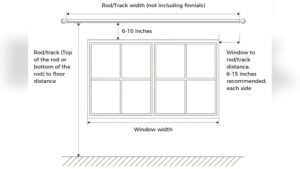
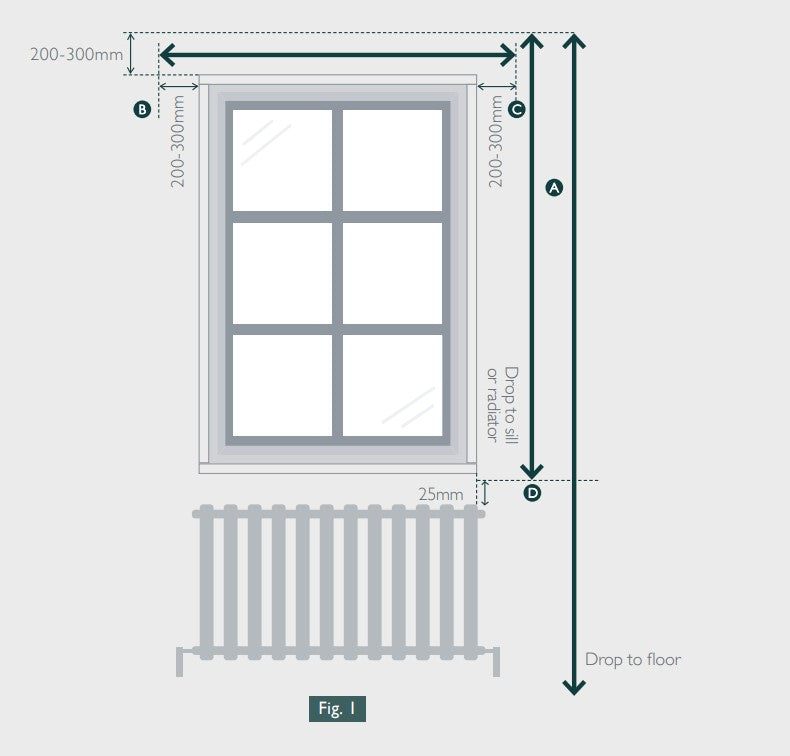
Mount the rod higher than the window frame. This makes the ceiling look taller. Usually, place the rod 4 to 6 inches above the window. For tall ceilings, you can go even higher. Measure from the top of the window frame to where you want the rod.
Extending The Curtain Rod Beyond The Window Frame
Make the rod wider than the window. This allows curtains to open fully. Add 3 to 6 inches on each side of the window frame. Measure the total width including this extra space. This prevents light gaps and shows the full window size.
Considering Wall Space And Obstructions
Check for obstacles near the window. Look for light switches, vents, or furniture. Avoid placing the rod where it will hit these items. Measure the available wall space carefully. Make sure the rod fits and curtains can move freely.
Common Measurement Mistakes
Measuring a window for curtains seems simple, but many people make mistakes. These errors can cause curtains to fit poorly or look odd. Taking correct measurements is key to getting the right curtain size and style. Avoid these common measurement mistakes to save time and money.
Not Measuring The Full Window Frame
Many measure only the glass area, missing the full frame width. Curtains should cover the entire window frame to block light and add privacy. Always measure from one edge of the frame to the other.
Forgetting To Add Extra Width
Curtains need extra width to hang nicely with folds. Measuring exactly the window width makes curtains look flat and small. Add at least 4 to 6 inches on each side for fullness.
Incorrect Curtain Length Measurement
Measure from the curtain rod to the desired curtain end point. Some measure only the window height, causing curtains to be too short or long. Decide if curtains will hang to the sill, below it, or to the floor.
Ignoring Curtain Rod Placement
The rod’s height affects curtain length. Measure from the rod, not the window frame top. Mounting the rod higher than the frame creates a taller look.
Using The Wrong Tools
Using a soft tape or ruler that bends can cause errors. Use a metal tape measure for straight, accurate numbers. Record measurements twice to ensure accuracy.
Tips For Accurate Measurement
Measuring windows for curtains needs care and attention. Accurate measurements help curtains fit well and look great. Small mistakes can cause curtains to hang poorly or not cover the window properly. Follow these simple tips to get the right size every time.
Use A Steel Measuring Tape
Use a steel measuring tape for precise results. Cloth tapes can stretch and give wrong numbers. A steel tape stays straight and measures accurately. Always keep the tape level and tight for the best reading.
Measure Twice, Write Once
Measure the width and height twice to avoid errors. Write down both numbers clearly after each measurement. Double-check your notes before buying curtains. This small step saves time and money.
Measure The Full Window Frame
Measure the entire window frame, not just the glass. Include the space above and beside the window. Curtains should cover more than the glass for better light control. Add extra inches for the curtain rod and fullness.
Account For Curtain Style
Different curtain styles need different measurements. For example, pleated curtains require more fabric width. Know the curtain style before measuring. This helps buy the right curtain size and shape.
Note The Curtain Rod Position
Measure from the curtain rod, not the window edge. The rod may be placed higher or wider than the frame. Check the exact rod placement for proper curtain length and width. Adjust your measurements based on this.
Check For Obstacles
Look for handles, locks, or heaters near the window. These obstacles affect curtain length and opening space. Measure around these items to avoid curtain damage. Make sure curtains hang freely without blocking anything.

Credit: twopagescurtains.com
Frequently Asked Questions
How Do I Measure Window Width For Curtains?
Measure the width of your window frame from edge to edge. Add extra 4-6 inches on each side for proper curtain coverage and fullness.
What Is The Best Curtain Length Measurement?
Measure from the curtain rod to your desired curtain end point. Common lengths are to the window sill, below the sill, or floor length.
Should I Measure Inside Or Outside The Window Frame?
Measure outside the frame for curtain width to ensure full coverage. Inside measurements work for blinds but not for curtains.
How Much Curtain Fullness Do I Need?
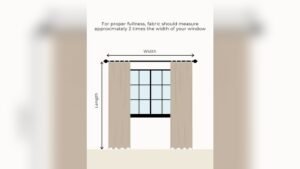
Curtain fullness is typically 1. 5 to 3 times the window width. This ensures curtains look rich and provide privacy when closed.
Conclusion
Measuring your window for curtains is simple and clear. Take your time to get exact numbers. Use a metal tape for better accuracy. Measure width and height carefully, twice if needed. Add extra inches for fullness and overlap. Correct measurements help your curtains fit nicely.
Well-fitted curtains make your room look great. Follow these steps to avoid mistakes. Enjoy your new curtains with confidence!
As an Amazon Associate, I earn from qualifying purchases.