Measuring your windows for curtains might seem simple, but getting it wrong can lead to curtains that don’t fit well or look awkward. You want your curtains to enhance your room, not frustrate you every time you open or close them.
In this guide, you’ll learn exactly how to measure your windows step-by-step, so your curtains hang perfectly and add style to your space. Keep reading—you’re just a few easy steps away from transforming your windows with curtains that fit just right.
Tools Needed
Measuring windows for curtains needs the right tools. These tools help you get exact sizes. This makes sure your curtains fit well and look great.
Gathering all tools before starting saves time. It also avoids mistakes in measurements. Some tools are basic and easy to find. Others might need a quick visit to a store.
Measuring Tape
A flexible measuring tape is the best tool. It helps measure width and height accurately. Use a tape that shows both inches and centimeters. This tool fits around window frames easily.
Step Ladder
A step ladder helps reach tall windows. It keeps you safe while measuring high points. Choose a sturdy ladder that holds your weight well. A ladder makes measuring easier and more precise.
Notepad And Pen
Write down measurements as you take them. This keeps data organized and prevents forgetting numbers. Use a small notepad for convenience. A pen is needed to record all details.
Level
A level tool checks if your measurements are straight. This stops crooked curtain rods. It ensures your curtains hang evenly. Levels come in small, easy-to-use sizes.
Calculator
A calculator helps add or subtract measurements quickly. It saves time and avoids math errors. Use it to check total width or height needed. A phone calculator works well too.
Types Of Window Measurements
Measuring windows for curtains starts with understanding the types of measurements needed. Accurate measurements help ensure curtains fit well and look great. Different window shapes and curtain styles require different measuring methods. Knowing these types makes the process easier and more precise.
Width Measurement
Measure the width of the window from one edge to the other. Use a metal tape for accuracy. Measure the full width of the window frame or the curtain rod. Add extra inches on both sides for curtain fullness and better coverage. This helps curtains cover the window fully and hang nicely.
Height Measurement
Measure from the top of the window frame or curtain rod to where you want the curtain to end. For a classic look, measure to the window sill or just below it. For floor-length curtains, measure down to the floor. Always add a few extra inches to avoid curtains that are too short.
Measuring For Different Curtain Styles
Different styles need different measurements. For rod pocket curtains, measure the rod width and add extra for gathers. For grommet or eyelet curtains, measure the rod width plus extra for fullness. For pinch pleat curtains, measure the track or rod and add extra width for pleats. Consider the curtain style to get the right fit and look.
Measuring Inside Mount Windows
Measuring inside mount windows means fitting curtains inside the window frame. This style gives a clean, neat look. It also saves space and lets natural light shine through when curtains are open.
To get the right size, precise measuring is key. Even small mistakes can affect how curtains fit and hang. Follow these steps carefully to measure your window perfectly.
Measure The Width Of The Window Frame
Use a metal tape measure for accuracy. Measure the width at the top, middle, and bottom of the window frame. Write down the smallest number. This ensures curtains will fit inside without rubbing.
Measure The Height Of The Window Frame
Measure the height from the top inside edge to the bottom sill. Check the height in three spots: left, center, and right. Record the shortest measurement for a perfect fit.
Check The Depth Of The Window Frame
Measure how deep the window frame is. This depth must be enough to hold curtain hardware. Most inside mounts need at least one inch of depth.
Note Any Obstacles Inside The Frame
Look for handles, locks, or trims inside the frame. These may block curtain movement. Measure around them and adjust curtain size if needed.
Measuring Outside Mount Windows
Measuring outside mount windows is important for curtain fitting. This method places curtains outside the window frame. It helps cover the whole window and some wall around it. Outside mount curtains can make windows look bigger and block more light.
Accurate measurements ensure curtains fit well and hang nicely. Follow simple steps to get the right size for your windows.
Measure The Width Of The Window Frame
Use a steel measuring tape for accuracy. Measure the full width of the window frame. Add extra width for curtain overlap on each side. Usually, add 3 to 6 inches on both sides. This makes sure curtains cover the window fully.
Measure The Height From Top To Bottom
Start measuring from where you want to mount the curtain rod. This is usually above the window frame. Measure down to where you want the curtain to end. Commonly, curtains end just below the window sill or to the floor. Note the height carefully for proper curtain length.
Check The Depth Of The Window Frame
Measure how far the window frame sticks out from the wall. This helps pick the right curtain rod and brackets. The rod should clear the window frame by at least 2 inches. It stops curtains from hitting the glass or frame.
Adding Allowances For Curtains
Adding allowances for curtains is key to getting the right fit and look. Curtains need extra space to hang properly and move smoothly. Without allowances, curtains may look tight or too short.
Allowances help curtains cover the window fully and create soft folds. They also make sure curtains don’t block light or get stuck on the window frame. You must measure carefully and add the right amount of space.
Width Allowance
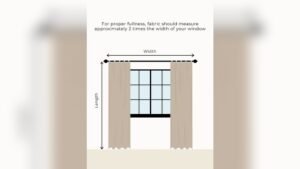
Measure the full width of the window frame first. Add extra width to allow curtains to gather and fold nicely. Usually, add 1.5 to 2 times the window width for fullness.
This extra width lets curtains overlap the edges of the window. It stops light from leaking through the sides. Also, it helps curtains look rich and elegant when closed.
Length Allowance
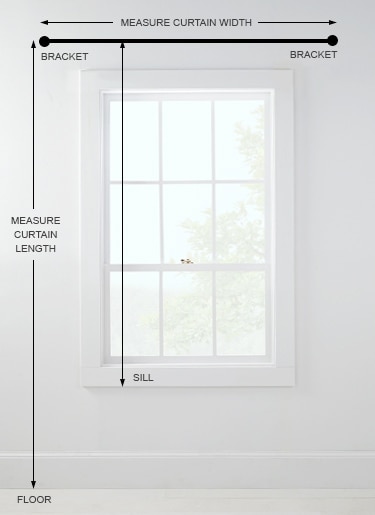
Measure from the curtain rod or track to where you want the curtains to end. Add extra length for hems and curtain rings or hooks. Usually, add 4 to 6 inches for the bottom hem.
Consider if curtains should just touch the floor or pool slightly. Adding length ensures curtains hang straight and don’t appear too short. It also allows for any floor unevenness.

Credit: www.deconovo.co.uk
Common Measurement Mistakes
Measuring windows for curtains sounds easy but often causes errors. These mistakes lead to curtains that don’t fit well or look odd. Avoiding common measurement errors saves time and money.
Understanding where and how to measure helps get the perfect curtain size. Small errors can cause big problems in the final look. Let’s review typical mistakes to watch out for.
Not Measuring The Window Frame Correctly
Many people measure only the glass part of the window. Curtains should cover the entire frame for better light control. Always measure from edge to edge of the window frame.
Ignoring Curtain Rod Placement
Measure where the curtain rod will be installed. The rod is usually wider than the window frame. If you skip this, curtains might be too narrow or short.
Forgetting To Add Extra Width For Fullness
Curtains look best with some fullness. This means adding extra width beyond the window size. Without this, curtains appear flat and tight.
Not Accounting For Curtain Length Drop
Measure from the rod to the floor or desired length carefully. Curtains that are too short or too long look awkward. Always double-check this measurement.
Using The Wrong Measuring Tools
Use a metal tape measure for accuracy. Cloth or plastic tapes can stretch and give wrong numbers. Accurate tools matter for perfect curtains.
Tips For Accurate Measurements
Taking accurate window measurements is key to buying curtains that fit well. Precise measurements help avoid curtains that are too short or too narrow. Use clear and simple steps to get the best results.
Measuring windows carefully saves time and money. It also ensures your curtains look great and work properly. Follow these tips to measure your windows right.
Use A Steel Tape Measure
A steel tape measure gives the most accurate results. Cloth or plastic tapes can stretch and cause errors. Hold the tape straight and tight for exact numbers.
Measure Width At Three Points
Measure the window width at the top, middle, and bottom. Windows may not be perfectly square. Use the largest width to make sure curtains cover fully.
Measure Height From Frame To Floor
Measure from the top of the window frame to where you want the curtain to end. Decide if the curtain stops at the sill, below the sill, or at the floor.
Note Your Measurements Clearly
Write down each measurement as you take it. Use clear labels like “width top” or “height floor.” This helps avoid confusion when ordering curtains.
Allow Extra Width For Fullness
Add extra width to your measurement for curtain fullness. Usually, 1.5 to 3 times the window width works well. Full curtains look better and block light better.
Credit: www.vermontcountrystore.com

Credit: www.aprilnotes.com
Frequently Asked Questions
How Do I Measure Window Width For Curtains?
Measure the exact width of your window frame. Add extra inches for curtain fullness and rod overlap. This ensures proper coverage and a balanced look.
What Height Should I Measure For Curtain Length?
Measure from the curtain rod to where you want the curtains to end. Common lengths are to the windowsill, below the sill, or to the floor.
Should I Measure Inside Or Outside The Window Frame?
Measure outside the frame for a wider curtain coverage. Inside measurements work for a neat, minimal look but may let light in from the edges.
How To Measure For Curtain Rods Correctly?
Measure the window width and add 4 to 12 inches on each side. This allows the curtains to fully cover the window when closed.
Conclusion
Measuring windows for curtains is simple with the right steps. Always use a metal tape measure for accuracy. Measure width and height carefully, noting each number. Double-check your measurements to avoid mistakes. Taking your time helps you find the perfect fit.
Well-measured curtains improve your room’s look and feel. Start with clear measurements, and your curtains will hang beautifully. This small effort brings big style and comfort to your space.
As an Amazon Associate, I earn from qualifying purchases.