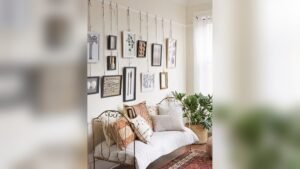
Are your walls feeling empty or cluttered with random pieces of art? You’re not alone.
Organizing wall art can seem tricky, but it doesn’t have to be. Imagine walking into your room and instantly feeling calm and inspired because your wall art is perfectly arranged. This guide will help you turn your walls into a stunning display that reflects your style and personality.
Keep reading to discover simple, practical tips you can use right now to organize your wall art like a pro.
Choosing The Right Wall
Choosing the right wall for your art is important. The wall sets the stage for your pieces. It helps the art stand out and fit the room. Careful choice can make your room feel fresh and inviting. Consider size, style, and light to make the best pick.
Assessing Wall Space
Start by checking the size of your wall. Large walls can hold big or many pieces. Small walls work best with one or two small artworks. Look for empty, clear walls without clutter. Avoid walls with too many switches or vents. Measure the space to plan your art layout easily.
Considering Room Style
Match your wall art with the room’s look. Modern rooms suit simple, clean art. Traditional rooms go well with classic paintings or frames. Think about the colors in your room. Choose art that complements or contrasts nicely. The art should feel part of the room, not out of place.
Lighting And Visibility
Good light makes your art shine. Pick walls near windows or light sources. Avoid direct sunlight to protect your pieces. Use lamps or spotlights to highlight the art. Make sure the wall is easy to see from different angles. Proper lighting draws attention and adds warmth.
Selecting Art Pieces
Selecting the right art pieces is key to organizing wall art effectively. It sets the mood of your room and reflects your style. Careful choices create a balanced and inviting space. Consider size, color, and personal meaning to make your walls stand out.
Mixing Sizes And Shapes
Choose art pieces in different sizes and shapes. Large pieces draw attention and create a focal point. Smaller ones fill gaps and add interest. Combine squares, rectangles, and circles for a dynamic look. Avoid placing all pieces in the same size or shape. This keeps your wall visually exciting and balanced.
Balancing Colors And Themes
Select colors that complement each other and your room’s palette. Use art with similar tones to create harmony. Mix light and dark shades for depth. Keep themes consistent or create a story with your art choices. This makes the wall feel connected and well planned. Avoid clashing colors that distract the eye.
Incorporating Personal Touches
Add art that shows who you are. Family photos, travel souvenirs, or handmade pieces add warmth. Personal art makes your wall unique and meaningful. It invites conversation and adds character to the space. Use these touches to blend your personality with style.
Layout Ideas
Choosing the right layout can make your wall art stand out. Different arrangements create different moods and styles. Some layouts feel neat and tidy. Others feel lively and creative. Picking a layout depends on your space and taste. Below are popular layout ideas to inspire your wall art setup.
Grid Arrangements
Grid arrangements line up art in rows and columns. This style looks clean and organized. It works well with pieces that are similar in size. Each item gets equal attention. Grids fit well in modern or minimalist rooms. Keep even space between frames for balance.
Salon Style Displays
Salon style displays fill a whole wall with art. Pieces go close together without strict order. This style feels rich and full of personality. It suits eclectic or vintage rooms. Mix sizes and frames for a dynamic look. Start from the center and work outwards.
Linear Alignments
Linear alignments arrange art in a straight line. You can place pieces horizontally or vertically. This layout adds a sense of flow and direction. It works well above sofas or along hallways. Keep the bottom or top edges aligned for neatness.
Asymmetrical Groupings
Asymmetrical groupings balance art without perfect symmetry. Sizes and shapes vary, but the overall look feels balanced. This layout is playful and modern. It allows more freedom in placement. Use similar colors or themes to tie the group together.

Credit: stylebyemilyhenderson.com
Hanging Techniques
Hanging wall art correctly makes a big difference in any room. The right techniques keep your art straight and balanced. This section explains simple steps to hang your pieces with care and style.
Measuring And Spacing
Measure the wall space before hanging art. Use a tape measure to find the center point. Mark light pencil dots where hooks will go. Leave enough space between pieces for a clean look. A good rule is 2 to 4 inches between frames. This keeps the display neat and easy to view.
Using Templates And Tools
Create paper templates of your art shapes. Tape these to the wall to see how they fit. Adjust spacing without making extra holes. Use a level to keep art straight. A laser level or bubble level works well. These tools help avoid crooked pictures and uneven lines.
Choosing Hardware
Select the right hardware based on your wall type. Use nails for drywall and anchors for plaster or brick. Picture hooks hold frames securely and prevent damage. For heavy art, use wall anchors or screws. Small wire hangers work well for light frames. The right hardware keeps your art safe and stable.
Maintaining Your Display
Maintaining your wall art display keeps it fresh and beautiful. Regular care makes your space inviting and lively. It also protects your artwork from damage and fading. Small efforts can extend the life of your pieces.
Regular Cleaning Tips
Dust your art gently with a soft cloth or brush. Avoid using water or cleaning sprays directly on the art. Use a microfiber cloth to remove fingerprints or smudges. Check frames and glass for dust and clean carefully. Clean your display every few weeks to keep it bright.
Updating Art Pieces
Change art pieces to refresh your room’s look. Rotate artworks based on seasons or mood. Add new pieces that match your style or color theme. Remove old art that feels outdated or worn. Updating keeps your display interesting and personal.
Avoiding Damage
Keep art away from direct sunlight to prevent fading. Avoid placing art near heat sources or damp areas. Use proper hooks and nails to support the weight. Handle frames with clean hands to avoid stains. Check your wall art regularly for signs of wear or damage.

Credit: thecopperwolf.com
Creative Additions
Creative additions bring life to your wall art display. They add depth, texture, and interest beyond just frames. These elements make your wall a personal and dynamic space.
Incorporating Shelves And Ledges
Shelves and ledges offer a platform for more than just pictures. Use them to place small plants, books, or sculptures. They create layers and give your wall a 3D feel. Change items easily to refresh the look often.
Adding Decorative Accents
Decorative accents like mirrors, clocks, or metal art add variety. Mix shapes and sizes for a playful effect. Choose accents that match your room’s style and colors. These touches bring character and charm to your wall.
Using Lighting For Emphasis
Lighting highlights your wall art in special ways. Spotlights or picture lights draw eyes to key pieces. Soft LED strips create mood and warmth around your display. Proper lighting turns your wall into a focal point.
:strip_icc()/desk-art-2c2a0d70-c266af33c16441928e64a0c33190e05c.jpg)
Credit: www.bhg.com
Frequently Asked Questions
How Do I Choose The Right Wall Art Size?
Select wall art size based on wall space and furniture scale. Large pieces suit big walls, while smaller art fits compact areas. Balance the art size with room proportions to create harmony and avoid overcrowding.
What Is The Best Way To Arrange Multiple Artworks?
Arrange multiple artworks by creating a cohesive gallery wall. Use consistent spacing, align edges, and mix frame styles carefully. Start with a central piece and build around it for a balanced, visually appealing layout.
How High Should I Hang Wall Art?
Hang wall art at eye level, typically 57-60 inches from the floor to the center of the piece. This height ensures comfortable viewing and complements most room designs, enhancing overall aesthetic appeal.
Can I Mix Different Art Styles On One Wall?
Yes, mixing art styles adds personality and depth. Combine modern, vintage, and abstract pieces thoughtfully. Use a unifying element like color or frame style to maintain a cohesive look.
Conclusion
Organizing wall art makes your space feel fresh and inviting. Choose a style that suits your room and personality. Mix different sizes and shapes to create interest. Keep balance by spacing pieces evenly on your wall. Use frames that match or contrast nicely.
Change your display sometimes to keep it lively. Enjoy the process and make your walls tell a story. Simple steps lead to beautiful results anyone can achieve. Your walls will become a true reflection of you.
As an Amazon Associate, I earn from qualifying purchases.