Removing mold from fabric furniture without bleach is possible and effective. You can maintain your furniture’s look and keep your home safe.
Mold on fabric furniture can be a real problem. It not only affects the appearance but also poses health risks. Using bleach might not be ideal because it can damage the fabric and leave strong odors. Fortunately, there are gentler and safer methods.
These alternatives can help you remove mold without harming your furniture. In this guide, we will explore various techniques that are easy to follow. You’ll learn how to keep your fabric furniture clean and mold-free without using harsh chemicals. So, let’s dive in and discover these effective solutions.
Identifying Mold On Fabric Furniture
Identifying mold on fabric furniture can be a daunting task. Mold growth not only damages your furniture but also poses health risks. Recognizing the signs early is crucial for effective removal. This section will guide you through the common signs and types of mold you might find on your fabric furniture.
Common Signs
Spotting mold early can save your furniture. Here are some common signs:
- Dark spots or patches on the fabric
- A musty or earthy odor
- Discoloration or stains
- Visible fuzzy or slimy growth
These signs indicate mold presence. Early detection helps in easier removal and less damage to your furniture.
Types Of Mold
Mold comes in various types, each with unique characteristics. Here are some common types:
- Aspergillus: Often green, white, or gray. It can cause allergic reactions.
- Cladosporium: Black or green. It grows in cool, damp areas.
- Penicillium: Blue or green. It spreads quickly and can cause respiratory issues.
Knowing the type of mold helps in choosing the right removal method. Some molds are more harmful and require careful handling.
Understanding these signs and types will help you identify mold on your fabric furniture. This knowledge is the first step towards effective mold removal.
:max_bytes(150000):strip_icc()/how-to-remove-mold-and-mildew-2146662_final-752977ec0b4242249cd5d48bd4b4cfee.jpg)
Credit: www.thespruce.com
Preparing To Clean Mold
Preparing to clean mold from fabric furniture is essential. Mold can damage your furniture and affect your health. Follow the steps below to ensure a successful cleaning process.
Gathering Supplies
Before you start, gather all the necessary supplies. This will make the process easier and more efficient. Here is a list of what you will need:
- A vacuum cleaner with a HEPA filter
- A soft brush
- White vinegar
- Water
- A spray bottle
- Microfiber cloths
- Gloves
- A mask
Safety Precautions
Safety is important when dealing with mold. Mold spores can be harmful if inhaled. Follow these safety precautions:
- Wear gloves to protect your hands from mold and cleaning solutions.
- Use a mask to avoid inhaling mold spores.
- Work in a well-ventilated area to reduce exposure to mold and fumes.
- Keep children and pets away from the cleaning area.
By following these steps, you ensure a safer and more effective cleaning process. Always remember, safety first.
Vacuuming Loose Mold
Removing mold from fabric furniture can be challenging. A crucial step in this process is vacuuming loose mold. This ensures that the mold spores are removed before deep cleaning. Here’s how to do it effectively.
Using A Hepa Vacuum
A HEPA vacuum is recommended for this task. These vacuums have filters that trap small particles, including mold spores. Start by attaching the upholstery nozzle to the vacuum. This tool is designed for fabric surfaces. Carefully vacuum the entire surface of the furniture, making sure to cover all areas. Pay special attention to seams and crevices where mold can hide.
Proper Disposal Of Vacuum Bag
Once vacuuming is complete, it’s important to dispose of the vacuum bag properly. Mold spores can escape if the bag is not handled correctly. Remove the vacuum bag carefully and place it in a sealed plastic bag. Dispose of this sealed bag in an outdoor trash bin. This prevents any mold spores from re-entering your home.
Natural Cleaning Solutions
Removing mold from fabric furniture can be challenging, especially without bleach. Natural cleaning solutions provide effective and safe alternatives. These methods use common household items to clean and refresh your furniture, ensuring it remains free from harmful chemicals.
Vinegar Solution
Vinegar is a natural disinfectant that can eliminate mold. Follow these steps to create and use a vinegar solution:
- Mix equal parts of white vinegar and water in a spray bottle.
- Spray the solution onto the moldy area. Ensure it is damp but not soaked.
- Let it sit for about 15 minutes to allow the vinegar to kill the mold.
- Use a soft brush to scrub the area gently. This helps to loosen the mold.
- Wipe the area with a clean, damp cloth to remove any residue.
- Allow the furniture to air dry completely.
Baking Soda Paste
Baking soda is another natural cleaning agent. It helps to remove mold and odors from fabric furniture. Here’s how to make a baking soda paste:
- In a small bowl, mix 1 tablespoon of baking soda with a few drops of water. Adjust the amount of water until you form a thick paste.
- Apply the paste to the moldy area using a clean cloth or sponge.
- Let it sit for 10 minutes to allow the baking soda to absorb the mold and odors.
- Gently scrub the area with a soft brush to remove the mold.
- Wipe the area with a damp cloth to remove the paste residue.
- Ensure the furniture dries completely by air drying.
Spot Cleaning Techniques
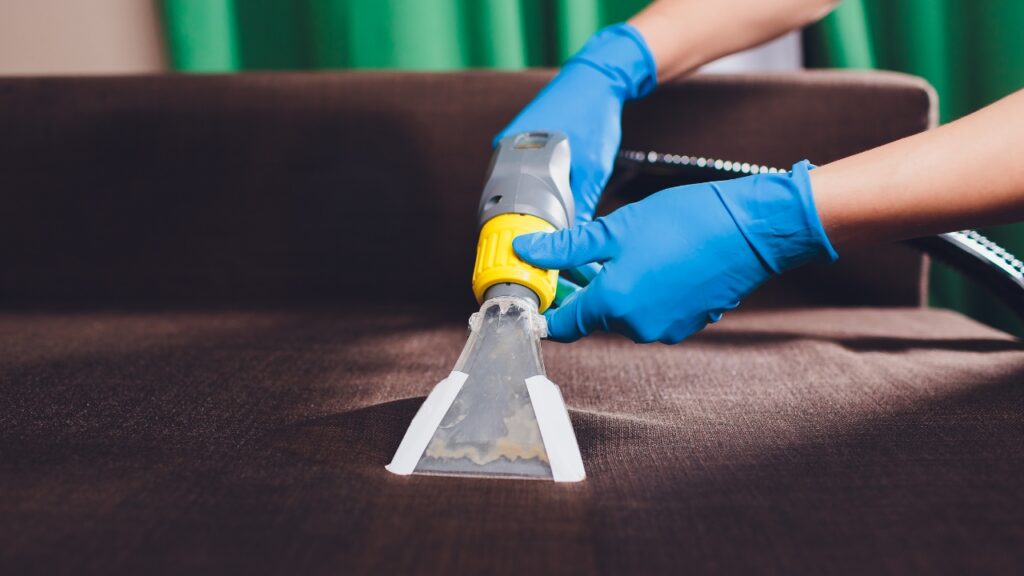
Spot cleaning techniques are essential to remove mold from fabric furniture without bleach. These methods are effective and safe for your furniture. Let’s explore two popular techniques: the blotting method and the scrubbing method.
Blotting Method
The blotting method involves gently dabbing the affected area. This technique helps to lift mold without spreading it. Here is how to do it:
- Wear gloves and a mask to protect yourself.
- Mix a solution of water and white vinegar in equal parts.
- Dip a clean cloth into the solution.
- Blot the moldy area gently. Do not rub.
- Repeat until the mold is removed.
- Allow the fabric to dry completely.
Scrubbing Method
The scrubbing method is useful for tougher mold stains. This method requires a bit more effort but is highly effective. Follow these steps:
- Put on gloves and a mask for safety.
- Prepare a cleaning solution of warm water and mild detergent.
- Use a soft-bristled brush to apply the solution to the moldy area.
- Scrub gently in a circular motion.
- Rinse the area with clean water using a cloth.
- Pat the area dry with a towel.
- Let the fabric air dry completely.
Both the blotting and scrubbing methods are effective spot cleaning techniques. Use these methods to keep your fabric furniture mold-free without using bleach.
Credit: frequip.com
Drying The Furniture
Drying your fabric furniture after removing mold is crucial. Proper drying prevents mold from returning. It also ensures your furniture stays in good condition. There are different methods to dry your furniture, and choosing the right one is important.
Air Drying
Air drying is one of the most effective methods. This method is gentle and helps to prevent damage. Follow these steps for air drying:
- Place the furniture in a well-ventilated area.
- Open windows and doors to allow fresh air to circulate.
- Avoid direct sunlight to prevent fabric fading.
Air drying takes longer but is safe for most fabrics.
Using Fans
Using fans can speed up the drying process. Fans help to circulate air around the furniture. This method is useful when you need to dry the furniture quickly. Follow these steps:
- Position fans around the furniture.
- Set the fans to a medium or high setting.
- Move the fans occasionally to ensure even drying.
Using fans is effective, especially in humid environments. It ensures the furniture dries thoroughly.
Preventing Future Mold Growth
After you’ve successfully removed mold from your fabric furniture, it’s crucial to take steps to prevent its return. Mold thrives in damp, humid environments, and furniture can be a prime spot for growth if not properly maintained. By following some simple preventive measures, you can keep your furniture mold-free and extend its lifespan.
Control Humidity
One of the most effective ways to prevent mold growth is to control the humidity in your home. Mold thrives in environments with high humidity levels, typically above 60%. Here are some ways to keep your humidity levels in check:
- Use a dehumidifier: Place a dehumidifier in rooms with fabric furniture to reduce moisture in the air.
- Ventilate your home: Open windows and use exhaust fans to improve air circulation and reduce humidity.
- Monitor humidity levels: Use a hygrometer to keep an eye on indoor humidity levels and make adjustments as needed.
| Humidity Level | Action |
|---|---|
| Above 60% | Use a dehumidifier |
| 40%-60% | Maintain current measures |
| Below 40% | Increase humidity with a humidifier |
Regular Cleaning
Regular cleaning is essential to keep mold at bay. Dust and dirt can provide nutrients for mold to grow. By keeping your furniture clean, you reduce the chances of mold taking hold. Here are some cleaning tips:
- Vacuum frequently: Use a vacuum cleaner with a HEPA filter to remove dust and dirt from your furniture.
- Spot clean stains: Address spills and stains immediately to prevent moisture buildup.
- Use mold-resistant sprays: Apply mold-resistant sprays on fabric furniture to create a barrier against mold.
By incorporating these practices into your routine, you can effectively prevent mold growth and keep your fabric furniture looking fresh and clean.
When To Seek Professional Help
Sometimes, removing mold from fabric furniture can be challenging. While DIY methods can work for minor issues, there are times when professional help is necessary. Knowing when to seek help can save your furniture and ensure a healthy home environment.
Severe Mold Infestations
Severe mold infestations can damage your furniture beyond repair. Here are some signs:
- Extensive mold growth covering large areas
- Strong, musty odor that doesn’t go away
- Mold patches that keep returning after cleaning
If you see any of these signs, it’s best to call a professional. They have the right tools and expertise to handle severe infestations safely.
Persistent Mold Issues
Sometimes, mold can be stubborn. If you notice any of the following, it’s time to seek professional help:
- Mold reappears soon after cleaning
- Visible mold in hard-to-reach areas
- Family members experiencing allergy symptoms
Persistent mold issues can indicate an underlying problem, such as high humidity or water damage. Professionals can identify and fix these issues to prevent future mold growth.
| Signs of Severe Mold | Actions to Take |
|---|---|
| Extensive mold growth | Call a professional |
| Strong, musty odor | Seek expert help |
| Mold patches returning | Professional intervention needed |
By recognizing these signs, you can make an informed decision to protect your furniture and health. Professional help ensures thorough mold removal and prevents recurrence.
Credit: frequip.com
Frequently Asked Questions
What Is The Safest Way To Remove Mold From Fabric?
The safest way to remove mold from fabric is by using natural solutions like vinegar or baking soda. They are effective and non-toxic.
Can Vinegar Kill Mold On Fabric Furniture?
Yes, vinegar can kill mold on fabric furniture. Its acidic nature breaks down mold spores and prevents further growth.
How To Prevent Mold On Fabric Furniture?
To prevent mold on fabric furniture, keep the area dry and well-ventilated. Regularly clean and inspect for any signs of mold.
Is Baking Soda Effective Against Mold On Fabric?
Yes, baking soda is effective against mold on fabric. It absorbs moisture and neutralizes mold odors, making it a natural solution.
Conclusion
Removing mold from fabric furniture without bleach is simple. Follow these easy steps. You don’t need harsh chemicals. Natural solutions work well. Just be patient and thorough. Regular cleaning prevents mold growth. Keep your furniture dry and clean. This ensures a healthy home environment.
Happy cleaning!
As an Amazon Associate, I earn from qualifying purchases.