Your sectional sofa is a cozy centerpiece, but sometimes you need to move it, clean underneath, or rearrange your space. Knowing how to separate your sectional sofa quickly and safely can save you time and frustration.
In this guide, you’ll discover simple, step-by-step tips to break down your sofa without damaging it or hurting yourself. Keep reading, and you’ll learn exactly what to do to make this task easy and stress-free.

Credit: www.reddit.com
Tools Needed
Separating a sectional sofa requires the right tools. These tools help you work safely and efficiently. Having them ready can make the process smooth. This section lists the necessary and optional tools.
Essential Tools
A screwdriver is a must-have. It helps remove screws holding sections together. A flathead and a Phillips head screwdriver cover most screw types. A wrench or socket set is useful for bolts. Pliers help grip and pull connectors apart. A utility knife can cut fabric or tape if needed. Finally, gloves protect your hands from sharp edges.
Optional Equipment
A rubber mallet can gently tap pieces loose without damage. Furniture sliders help move heavy sections easily. A flashlight is handy for dark spots under the sofa. A small pry bar can assist in separating tightly connected parts. Packing blankets protect your sofa and floor during the process.
Prepare The Area
Preparing the area is the first step to separate a sectional sofa safely and easily. This step makes sure you have enough room to work and prevents damage to your floors and walls. Take time to organize the space before you move any part of the sofa. A clear, protected area helps the process go smoothly.
Clear The Space
Remove any items around the sofa. Move rugs, tables, lamps, and other furniture out of the way. Clear space helps you see the sofa’s connections and allows easy movement. It also reduces the risk of tripping or breaking something. Aim for at least two feet of open space around the sofa.
Protect Your Floors
Cover your floors with blankets or cardboard. This protects hardwood, tile, or carpet from scratches and stains. Use painter’s tape to keep protective covers in place. Protecting floors prevents costly damage during the moving process. It also gives you better footing to handle the sofa pieces.
Identify Connection Points
Identifying the connection points on your sectional sofa is the first step to separate it safely. These points hold the pieces together and keep the sofa stable. Knowing where they are helps you avoid damage. It also makes the process faster and easier.
Locate Clips And Brackets
Most sectional sofas use clips or brackets to join the parts. Check along the edges where the pieces meet. Look under the cushions or at the base of the sofa. Clips usually snap into place, while brackets may have screws.
Press gently or pull slightly to see how they connect. Some clips are plastic, others metal. Brackets may be L-shaped or flat. Identifying these will show you how to unlock the sections without breaking anything.
Check For Hidden Fasteners
Some sofas hide fasteners inside the frame or under fabric flaps. Look carefully for zippers, Velcro, or small covers. These often protect screws or bolts. Use a flashlight to see into dark corners or gaps.
Don’t rush this step. Missing hidden fasteners can cause damage. Once found, use the right tool to loosen them. This ensures each section separates cleanly and safely.

Credit: www.homedit.com
Disconnect Sections
Disconnecting sections of a sectional sofa makes moving and cleaning easier. Most sectional sofas connect with clips or hooks. Knowing how to release these clips helps you separate the sofa without damage.
Release Clips
Look under the sofa where the sections join. You will find metal or plastic clips holding the pieces together. Press or lift the clips to unlock them. Sometimes, you may need to slide the clips sideways. Be gentle to avoid breaking the clips or the frame.
Separate Cushions And Frames
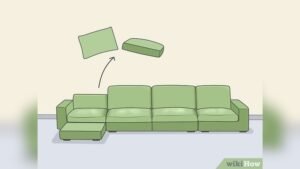
Remove the cushions from each section first. This lightens the weight and makes handling easier. After removing cushions, gently pull apart the frames. Pull slowly to avoid damaging the fabric or structure. If the sections feel stuck, check for hidden clips or screws.
Handle Large Pieces Safely
Large pieces of a sectional sofa can be heavy and awkward. Handling them safely protects you from injury and damage. Prepare before lifting. Plan the path where you will move the pieces. Clear the area of any obstacles. Use the right tools and techniques to make the job easier and safer.
Use Proper Lifting Techniques
Bend your knees, not your back. Keep your back straight while lifting. Hold the sofa piece close to your body. Avoid twisting your body when carrying. Take slow, steady steps. This reduces the risk of muscle strain. Use your legs to do most of the work. Do not rush or lift too quickly.
Get Assistance If Needed
Large sofa pieces often need two or more people. Ask a friend or family member to help. Communicate clearly about when to lift and where to move. Teamwork makes the process safer and faster. Do not try to lift alone if the piece is too heavy. Help reduces the chance of dropping or damaging the sofa.

Credit: www.wikihow.com
Store Or Move Disassembled Sections
After separating your sectional sofa, it is important to store or move the pieces carefully. Proper handling keeps each part safe and ready for use later. Protecting and organizing the pieces makes reassembly easier and faster.
Wrap And Protect Pieces
Cover each sofa section with blankets or bubble wrap. This prevents scratches and damage during transport or storage. Use plastic wrap to keep fabric clean and dry. Secure the wrapping with tape, but avoid sticking tape directly on the fabric. Protect corners and legs with extra padding. This simple step saves time and money on repairs.
Label For Reassembly
Mark each piece with clear labels. Use masking tape and a marker to write numbers or letters. Label the bottom or back side to avoid visible marks. Keep screws, bolts, and small parts in labeled bags. Attach bags to the matching sections. Labeling helps you put the sofa back together quickly. It reduces confusion and prevents lost parts.
Troubleshooting Common Issues
Separating a sectional sofa can sometimes be tricky. Small problems can stop the process. Knowing how to fix these issues helps you work faster and avoid damage.
Below are common problems and easy ways to solve them. These tips will make separating your sectional sofa smoother and safer.
Stubborn Connections
Sectional sofas often use clips or brackets to hold pieces together. These connections can get stuck over time. Dust, rust, or tight fittings cause the problem.
Try gently wiggling the pieces side to side. Use a flat tool to pry the clips apart carefully. Avoid using too much force to prevent damage. If needed, apply a little lubricant to loosen rusted parts.
Damaged Fasteners
Fasteners like hooks or clips may break or bend. This damage makes it hard to separate sections. Check each fastener before starting the process.
Replace any broken parts with new ones from the manufacturer. Using tape or extra cushions can help hold pieces temporarily. Do not force broken fasteners as this can harm the sofa frame.
Frequently Asked Questions
How Do I Disconnect A Sectional Sofa Safely?
To disconnect a sectional sofa, locate the clips or brackets holding the pieces together. Gently unfasten them without forcing. Move each section carefully to avoid damage. Use help if the sofa is heavy or bulky. Always check the manufacturer’s instructions for specific guidance.
What Tools Are Needed To Separate A Sectional Sofa?
Most sectional sofas require no special tools to separate. Typically, you only need your hands to unclip connectors. Occasionally, a screwdriver may help loosen screws or brackets. Always inspect the connection points first. Having a helper can make the process easier and safer.
Can I Separate Any Sectional Sofa Easily?
Most sectional sofas are designed for easy separation. However, some older or custom models may be more complex. Check for visible connectors or hinges. Refer to the sofa manual for detailed instructions. When unsure, consult the manufacturer or a professional mover.
How To Store Sectional Sofa Pieces After Separation?
After separating, clean each piece thoroughly before storage. Cover the sections with protective fabric or plastic. Store in a dry, climate-controlled area to prevent damage. Arrange pieces to avoid pressure on cushions or frames. Label parts for easier reassembly later.
Conclusion
Separating a sectional sofa can be simple and quick. Start by checking how the pieces connect. Use gentle force to pull them apart, avoiding damage. Keep track of all parts and connectors. This helps when you want to put the sofa back together.
With some care, you can move or clean your sofa easily. Now you know how to separate your sectional sofa safely. Enjoy your refreshed space with less hassle!
As an Amazon Associate, I earn from qualifying purchases.