Have you ever stood in your living room, wondering if your end tables should match the rest of your furniture? You’re not alone.
Choosing the right end tables can make a big difference in how your space feels and looks. Should they blend in perfectly, or can they stand out and add character? By the end of this article, you’ll know exactly how to make your end tables work for your style and your home.
Keep reading—you might be surprised by what works best for you.
Credit: www.2modern.com
Choosing End Tables
End tables are small but important pieces in a room. They hold lamps, drinks, and books. Choosing the right end tables can change the look and feel of your space. You want them to fit well with your furniture and style. There are many choices, and each one affects your room’s comfort and style.
Matching Vs. Mixing Styles
Matching end tables create a balanced and neat look. They give the room a sense of order and calm. Matching sets are easy to pick and work well in formal rooms.
Mixing styles adds interest and a personal touch. You can choose different shapes or colors that still fit the room’s theme. This style feels fresh and creative. It works great in casual or modern spaces.
Considering Room Size And Layout
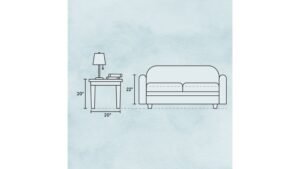
Size matters. Small rooms need small tables to avoid crowding. Large rooms can hold bigger or multiple tables without feeling tight. Think about the space around your sofa or chair. The table should fit comfortably without blocking pathways.
Placement is key. Tables should be easy to reach from seats. Leave enough room for movement. This makes the space practical and welcoming.
Material And Finish Options
Wood is warm and classic. It suits many styles from rustic to traditional. Metal offers a sleek and modern look. Glass tables feel light and open, perfect for small rooms.
Finish matters too. Matte finishes hide fingerprints and scratches. Glossy finishes shine and add a touch of luxury. Choose materials and finishes that match your lifestyle and décor.
Balancing Function And Style
Balancing function and style is key when choosing end tables. These pieces must serve a purpose while enhancing your room’s look. Finding the right mix can create a cozy, practical space. Let’s explore how to match function with style in your end table choices.
Storage Needs
End tables often provide valuable storage. Drawers and shelves help keep items organized and close. Consider what you need to store. Books, remote controls, or small items all fit well in tables with storage. Choose tables with the right amount of space for your needs. Storage can be hidden or open, depending on your style.
Surface Space Importance
The surface of an end table is useful for daily activities. It holds lamps, drinks, or decorations. Make sure the surface size fits your lifestyle. Large surfaces offer more space but can crowd a small room. Smaller tables keep spaces open and airy. Balance surface space with room size and use.
Complementing Other Furniture
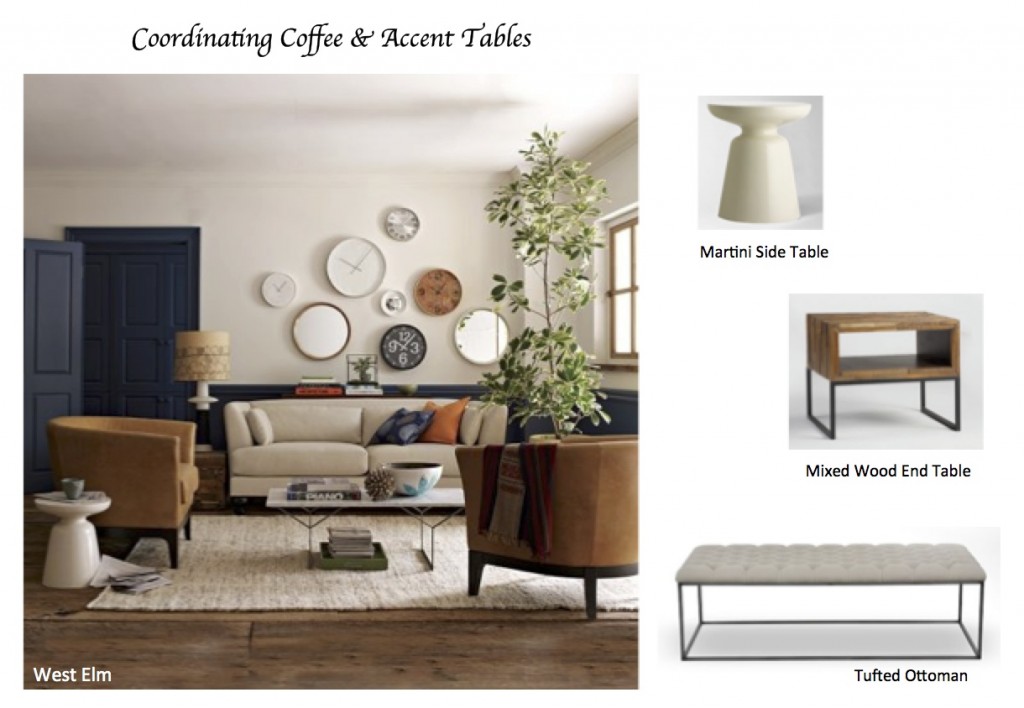
End tables should work well with other furniture pieces. They do not have to match exactly but should complement each other. Think about color, shape, and material. Similar styles create a unified look. Mixing styles can add character if done carefully. Choose tables that enhance the room’s overall design.
Color Coordination
Color coordination plays a key role in choosing end tables. It helps create balance in your living space. Matching colors can tie furniture together, making the room feel complete. You can either blend your tables with other items or make them stand out.
Harmonizing With Sofa And Rugs
End tables that match sofa or rugs create a smooth flow. Choose colors that echo the sofa’s tone for calmness. Rugs offer a great chance to bring in patterns or shades. This link between table and floor adds warmth and unity.
Using Accent Colors
Accent colors add a pop of interest to plain rooms. Pick end tables in bright or different colors from main furniture. This contrast grabs attention and adds personality. Use accent colors from pillows or art for a coordinated look.
Neutral Vs. Bold Choices
Neutral colors like beige, gray, or white fit any style. They keep rooms light and open, easy to mix. Bold colors bring energy and create focal points. Decide based on room size and mood you want to set.

Credit: www.wsj.com
Creative Pairing Ideas
Creative pairing ideas bring life to your living space. Mixing styles and sizes adds interest and charm. You do not need matching tables to create a beautiful look. Play with different shapes, eras, and bold pieces to make your room unique.
Mixing Shapes And Heights
Combine round, square, and rectangular tables for a fresh look. Vary the heights to add depth and layers. This contrast keeps your space lively and dynamic. It also helps balance the furniture around the room.
Combining Vintage And Modern
Pair a vintage table with a sleek, modern one for style contrast. Old and new pieces create a story and character. This mix adds warmth and personality to your home. Choose colors or materials that complement each other.
Using Statement Pieces
Choose one eye-catching end table to stand out. Let it be bold in color, shape, or design. Surround it with simpler tables to highlight its charm. A statement piece becomes a focal point in your room.
Styling Tips
Styling end tables can change the whole look of a room. They are small but important pieces that bring balance and function. Choosing the right style helps the space feel cozy and complete. Here are some tips for styling end tables with ease and flair.
Accessorizing End Tables
Keep accessories simple to avoid clutter. A small plant or a stack of books adds personality. Use a decorative tray to group items. This creates a neat and inviting look. Choose pieces that match the room’s style and colors.
Lighting Considerations
Lighting on end tables sets the mood. A small lamp provides soft light for reading or relaxing. Pick lamps with shades that match the room’s theme. Avoid lights that are too bright or too dim. This keeps the space comfortable and warm.
Seasonal Updates
Change accessories to reflect the seasons. Swap flowers for candles in the fall. Use fresh greenery in the spring and summer. These small changes keep the space fresh and lively. It’s an easy way to update without big costs.
Credit: mariakillam.com
Frequently Asked Questions
Should End Tables Always Match Each Other?
No, end tables don’t have to match exactly. Mixing styles can add character and balance. Choose tables that complement your room’s decor and color scheme for a cohesive look.
What Are The Benefits Of Matching End Tables?
Matching end tables create a symmetrical and harmonious look. They provide visual balance and make the space appear more organized and intentional. This works well in formal or traditional living rooms.
Can Mismatched End Tables Work In Modern Decor?
Yes, mismatched end tables can enhance modern decor by adding interest and personality. Combining different textures, shapes, or colors creates a curated, stylish vibe that feels fresh and unique.
How To Choose End Tables That Complement Each Other?
Pick end tables with similar colors, materials, or proportions. Ensure they fit the room’s style and size. This creates unity even if the tables differ in design or shape.
Conclusion
End tables do not always need to match perfectly. Mixing styles can add charm and personality. Choose pieces that feel right for your space. Balance is key—keep colors and shapes in harmony. Your room should feel cozy and inviting. Let your taste guide your choices.
At the end, comfort and style matter most. Enjoy creating a space that reflects you.
As an Amazon Associate, I earn from qualifying purchases.