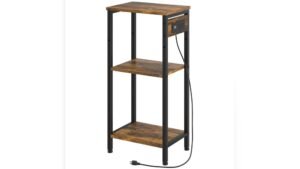
Have you ever wondered what makes a living room truly complete? Often, it’s the little things that tie everything together—like end tables.
These small pieces of furniture do more than just hold your coffee or lamp. They add style, convenience, and a touch of personality to your space. If you want to discover how end tables can transform your room and why they might be the missing piece you didn’t know you needed, keep reading.
Your perfect balance of function and flair is just a few paragraphs away.

Credit: www.huntcountryfurniture.com
What Are End Tables
End tables are small, versatile pieces of furniture. They fit neatly beside sofas, chairs, or beds. These tables serve both practical and decorative roles in any room.
Many homes use end tables to keep essential items within easy reach. Their size and design make them perfect for small spaces. They add style and function without crowding the area.
Purpose And Function
End tables hold lamps, drinks, books, or remote controls. They provide a flat surface near seating areas. This makes daily tasks easier and more comfortable.
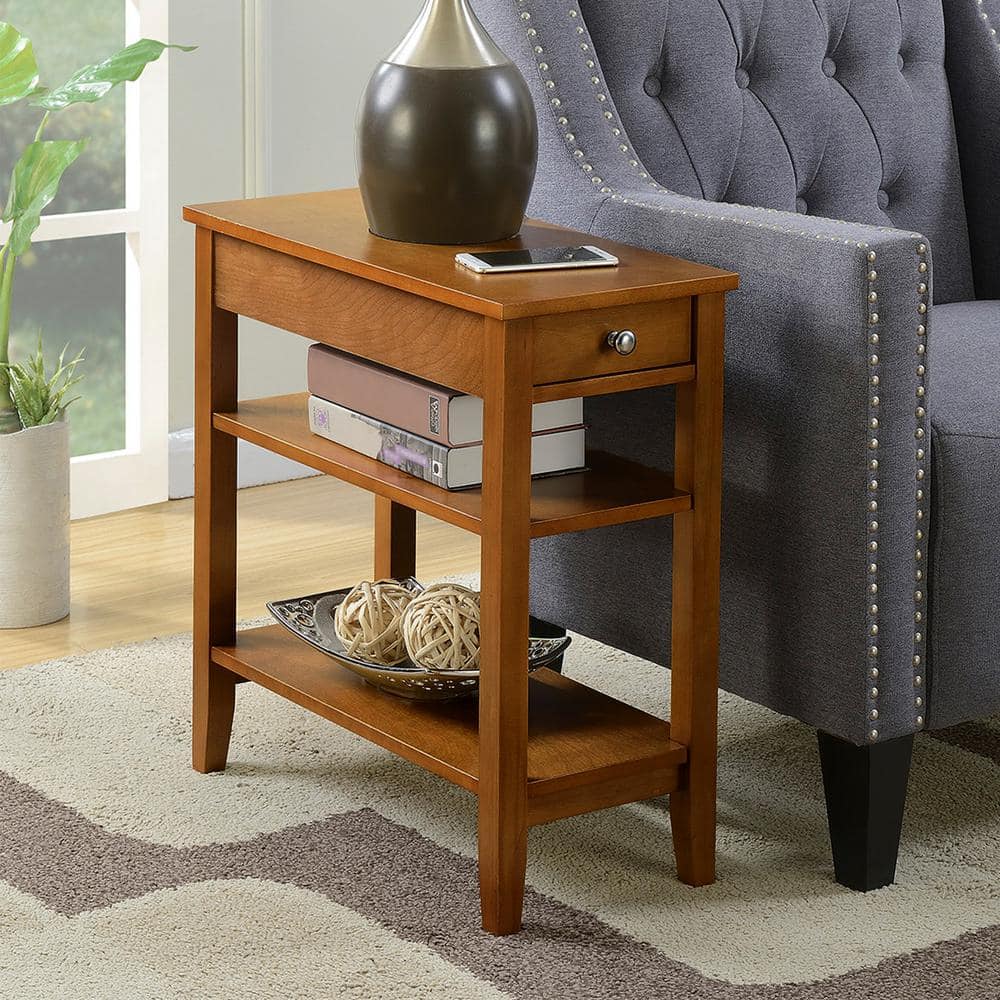
They also help organize items to avoid clutter. Some end tables come with drawers or shelves. These features offer extra storage space for small objects.
Common Materials
Wood is the most popular material for end tables. It offers durability and a warm look. Metal tables provide a modern, sleek appearance.
Glass tops add elegance and make rooms feel bigger. Some tables mix materials for a unique style. Choices include wood, metal, glass, or combinations.
Popular Styles
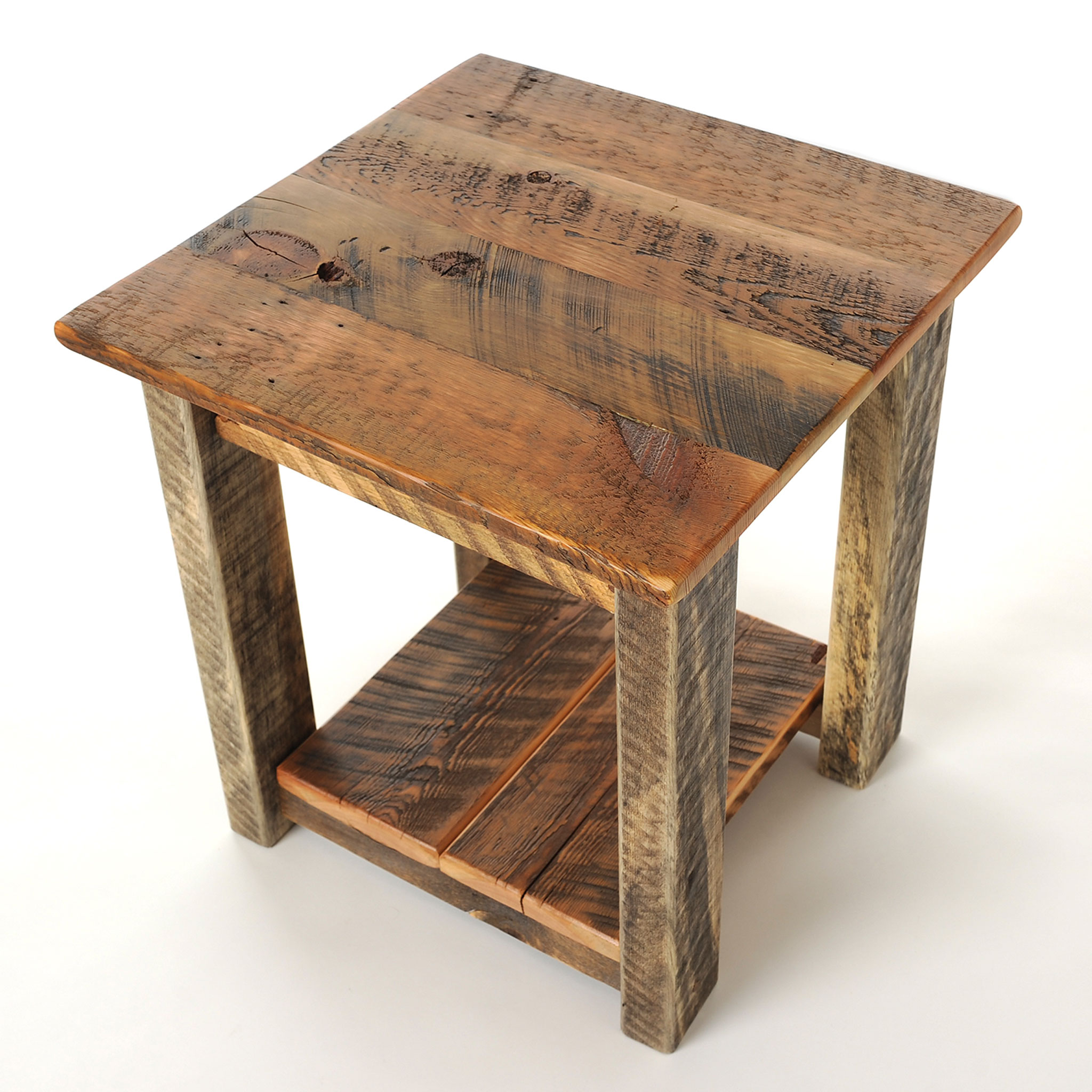
Traditional end tables have classic shapes and details. Modern styles focus on clean lines and simplicity. Rustic tables often show natural wood textures and rough finishes.
Industrial designs mix metal and wood with a rugged look. Mid-century modern styles feature simple shapes and tapered legs. Many styles fit different home decors and personal tastes.
Credit: www.homedepot.com
Choosing The Right Size
Choosing the right size for your end table is important for both style and function. The right size helps the table fit well in your space and match your other furniture. It also makes the room feel balanced and comfortable. Small mistakes in size can make your room look crowded or empty. Follow these tips to find the perfect fit for your end table.
Measuring Your Space
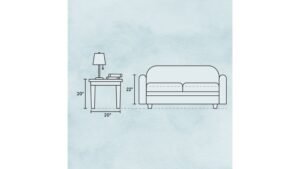
Start by measuring the area where you want to place the end table. Use a tape measure to find the width, depth, and height available. Leave some room around the table for easy movement. Make sure the space is not too tight or too wide. This step helps you avoid buying a table that does not fit your room properly.
Matching Furniture Scale
Match the end table size to the other furniture in the room. A large sofa needs a bigger table to look balanced. Small chairs work better with smaller tables. The height of the table should be close to the armrest of your seating. This keeps the table easy to reach and comfortable to use. Matching scale keeps your room looking neat and well-planned.
Material And Durability
End tables come in many materials. Each material affects the table’s look and how long it lasts. Choosing the right material helps you get a durable and stylish piece. This section explores popular materials and their care tips.
Wood Options
Wood is a classic choice for end tables. It feels warm and natural. Hardwoods like oak, maple, and walnut are strong and last long. Softwoods like pine are lighter but can dent easily. Wood can be stained or painted to match your room. Solid wood tables often cost more but offer great durability.
Metal And Glass Choices
Metal end tables give a modern and sleek look. Steel and iron are common metals used. They resist scratches and dents well. Glass tops add elegance and make small rooms feel bigger. Tempered glass is safer and stronger. Combining metal and glass creates a stylish, sturdy table.
Maintenance Tips
Keep wood tables away from direct sunlight to prevent fading. Use coasters to stop water rings. Clean wood with a soft cloth and mild cleaner. For metal, wipe dust regularly and dry to avoid rust. Glass needs gentle cleaning to avoid scratches. Regular care keeps your end table looking good and lasting longer.
Style And Design
End tables play a big role in a room’s style and design. They add charm and function. Choosing the right style helps create a cozy or modern look. End tables come in many shapes, sizes, and designs. Each style fits a different kind of home decor.
Modern Vs Traditional
Modern end tables focus on clean lines and simple shapes. They often use metal, glass, or smooth wood. The look is sleek and minimal. Traditional end tables show more detail and curves. They usually have rich wood tones and classic designs. These tables bring warmth and a timeless feel to a room.
Color Coordination
Colors make a big difference in style. Matching end table colors with your furniture ties the room together. Light colors brighten up small spaces. Dark colors add depth and contrast. Neutral tones blend well with most rooms. Bright colors create a bold statement and catch the eye.
Decorative Features
Many end tables have special features that add charm. Carved legs, inlays, or metal accents stand out. Some have drawers or shelves for extra storage. Decorative knobs and handles add character. These details make the table more than just a surface. They enhance the room’s personality and style.
Functionality And Storage
End tables do more than fill empty space next to chairs or sofas. They offer practical benefits that improve daily life. Functionality and storage are key to making these small furniture pieces truly useful. End tables can hold items you need close by. They keep your living area tidy and organized.
Many end tables come with smart storage features. These features help reduce clutter without taking up extra room. Some models combine style with convenience, making them essential in any living space.
Built-in Storage Solutions
Built-in storage in end tables helps keep essentials within reach. Drawers, shelves, and cabinets provide space for remote controls, books, and chargers. This storage hides clutter and keeps surfaces clean.
Some end tables have open shelves for decorative items or magazines. Others offer hidden compartments for valuables or smaller items. These options make it easy to find what you need quickly.
Multi-purpose End Tables
Multi-purpose end tables serve more than one function. They can work as a side table, nightstand, or small desk. Some include charging stations for phones and tablets.
Others feature fold-out trays or extendable tops for extra workspace. These designs maximize utility without crowding the room. Multi-purpose tables adapt to different needs and spaces.
Budget Considerations
Choosing the right end tables depends a lot on your budget. End tables come in many styles and prices. Knowing your budget helps narrow down options. It also ensures you get value for your money. Budget planning can make shopping easier and faster.
Affordable Options
Many end tables fit small budgets. Look for materials like particleboard or laminate. These are cheaper but still look good. Stores often have sales or discounts. Secondhand shops or online marketplaces offer budget-friendly finds. Simple designs usually cost less. Affordable does not mean low quality. Some budget tables last long with proper care.
Investing In Quality
Quality end tables can be a smart buy. They use better wood or metal. These tables often last many years. They resist scratches and stains better. Spending more upfront can save money later. Quality tables add elegance to your room. They may increase home value. Choose a style that matches your decor well.
Placement Tips
End tables are small but mighty pieces of furniture. Their placement can change how a room feels and works. Proper placement makes a space more useful and cozy. It helps keep things within reach and adds style. Here are some simple tips on placing end tables in different rooms.
Living Room Layouts
Place end tables next to sofas or armchairs. They offer a spot for lamps, drinks, or books. Make sure there is enough space to walk around. A good rule is to keep about 18 inches between the table and the seating. This distance is easy to reach without crowding. Use matching or different tables to balance the room’s look. Corner spaces also work well for end tables. They fill empty spots and provide extra surface space.
Bedroom Uses
End tables work great as nightstands. Place one on each side of the bed if space allows. This setup gives both sides a place for lamps and alarm clocks. Keep the table height close to the mattress for comfort. If space is tight, use narrow or wall-mounted tables. They save room while still holding essentials. End tables in bedrooms keep things tidy and easy to find at night.
Credit: fourcornerfurniture.com
Frequently Asked Questions
What Are End Tables Used For In Living Rooms?
End tables provide a convenient surface next to sofas or chairs. They hold lamps, drinks, books, and decor items. They enhance room functionality and style by keeping essentials within easy reach.
How Do End Tables Differ From Coffee Tables?
End tables are smaller and placed beside seating, while coffee tables are larger and centered. End tables offer individual surface space, whereas coffee tables serve the whole seating area for shared use.
What Materials Are Common For End Tables?
End tables come in wood, metal, glass, and engineered materials. Wood offers warmth, metal adds modernity, and glass creates a light, airy feel. Material choice impacts style and durability.
Can End Tables Improve Room Organization?
Yes, many end tables include drawers or shelves for storage. They help keep clutter off surfaces and organize items like remotes, magazines, or coasters, enhancing overall tidiness.
Conclusion
End tables add both style and function to any room. They hold lamps, drinks, or books within easy reach. Small but useful, they fit beside sofas or chairs. Choose a design that matches your space and taste. Their size makes them easy to move or change.
These tables help keep your room neat and organized. Simple furniture with a big impact.
As an Amazon Associate, I earn from qualifying purchases.