Have you ever wondered what the letters “CCTV” really mean? You see these cameras everywhere—on streets, in stores, even at your workplace.
But do you know what CCTV stands for and why it matters to you? Understanding this simple term can change the way you think about security and safety in your daily life. Keep reading, and you’ll discover not just the meaning of CCTV, but also how it impacts your world in ways you might not expect.
Decoding Cctv
Understanding what CCTV stands for is more than just knowing the letters. It involves exploring its history and parts. This helps to see why it is important in daily life and security.
Origins Of The Term
CCTV stands for Closed-Circuit Television. The term “closed-circuit” means the video signal is not publicly broadcast. It is sent to specific monitors or recording devices. This system first appeared in the 1940s. It was used to watch rockets being tested. Over time, CCTV became popular for security in shops and public places. The name stayed the same, but uses grew widely.
Components Of Cctv
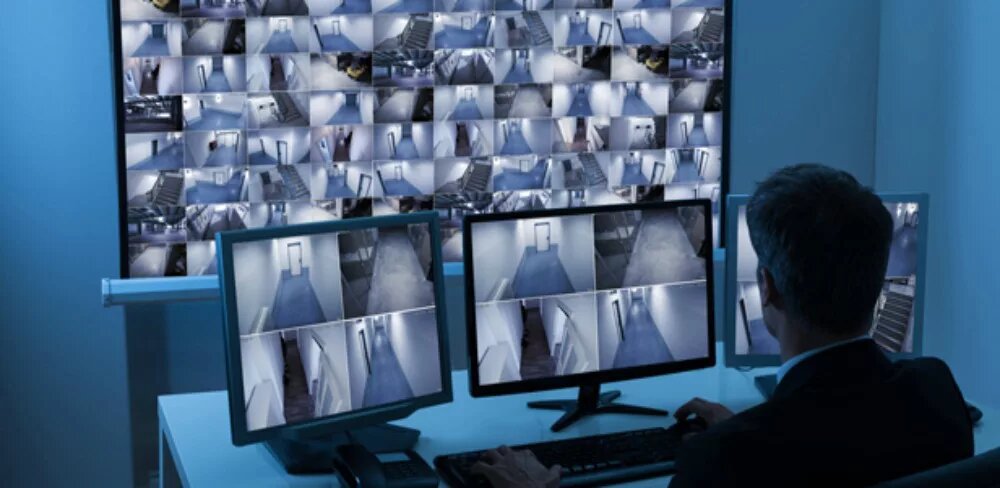
A CCTV system has a few main parts. The camera captures video images. It can be fixed or move to cover areas. Next is the monitor, where the video is shown. Some systems use a recorder to save footage. This helps review events later. Cables or wireless tech connect these parts. Together, they create a secure watchful eye.
Credit: eyesec.co.uk
How Cctv Works
CCTV, or Closed-Circuit Television, is a system used for surveillance and security. It captures video footage to monitor places and keep them safe. Understanding how CCTV works helps you see its role in security clearly.
Basic Functionality
CCTV systems use cameras to capture video images. These cameras send the video to a monitor or recording device. The system is “closed circuit,” meaning the video stays private. Only authorized users can view the footage. This setup helps watch over homes, businesses, and public areas.
Types Of Cameras
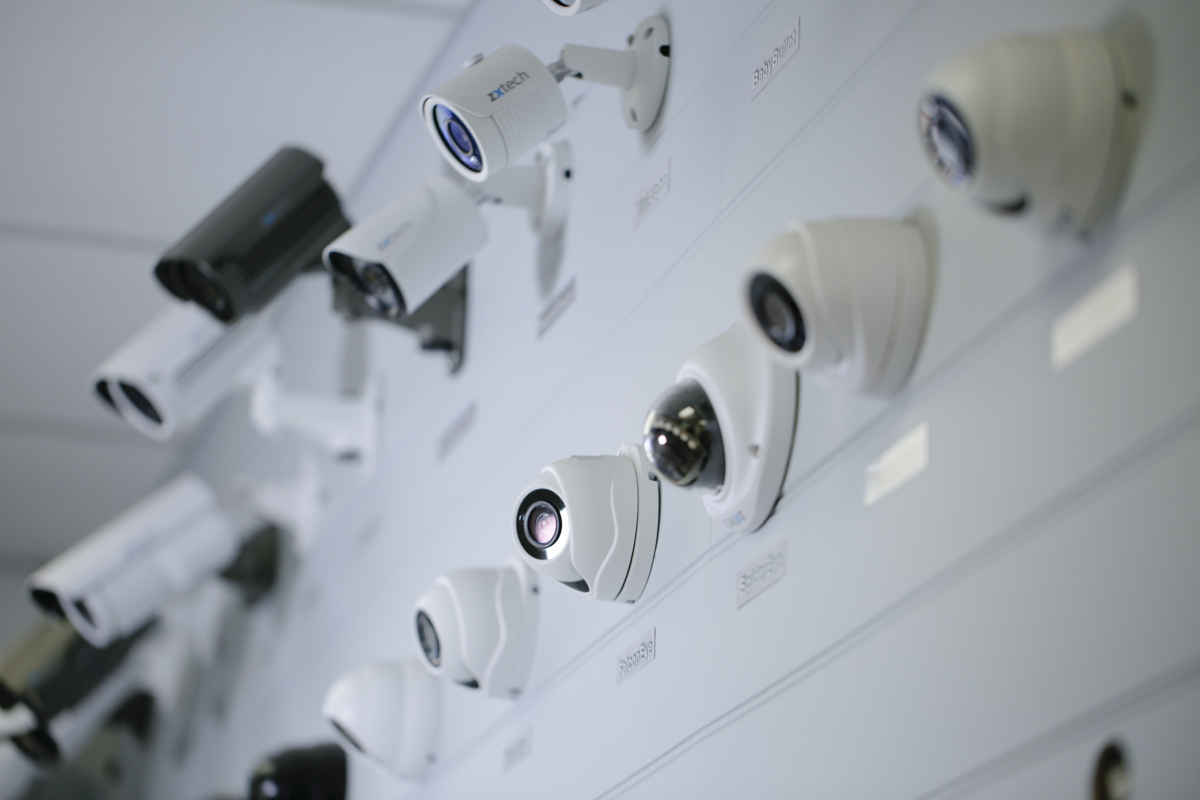
CCTV cameras come in many types for different needs. Dome cameras are small and blend into ceilings. Bullet cameras are long and good for outdoor use. PTZ cameras can pan, tilt, and zoom to cover large areas. Each type suits different locations and security goals.
Common Uses Of Cctv
CCTV, or Closed-Circuit Television, is widely used across many areas. It helps keep places safe and secure. People use CCTV cameras to watch over homes, public spaces, and businesses. These cameras record video that can be viewed live or later. Understanding common uses of CCTV shows why it is so popular.
Home Security
CCTV cameras protect homes from theft and damage. They let homeowners see visitors at the door. Cameras can record any unusual activity around the house. This helps catch intruders or vandals. Many families feel safer with CCTV installed. It also helps monitor children and pets when parents are away.
Public Surveillance
CCTV is used in public places like streets and parks. It helps police watch for crime and unsafe behavior. Cameras can spot accidents or emergencies quickly. Public CCTV can make areas feel safer for everyone. It also helps find lost people or stolen items. Many cities use CCTV to improve public safety.
Commercial Applications
Businesses use CCTV to protect their property and assets. Cameras watch entrances, cash registers, and storage areas. This reduces theft by employees or customers. CCTV also helps monitor workers and improve productivity. Shops, offices, and factories rely on CCTV for security. Recorded footage can be used as evidence if needed.

Credit: domar.com
Benefits Of Cctv Systems
CCTV systems offer many benefits for homes and businesses. They help increase safety and give peace of mind. These systems work day and night to keep an eye on important areas.
People trust CCTV to protect their property and loved ones. The technology also helps law enforcement with investigations. Here are some key benefits of CCTV systems.
Crime Deterrence
Visible CCTV cameras discourage criminals from acting. They know they can be caught on tape. This lowers the chance of theft, vandalism, or violence. Many offenders avoid places with cameras.
Business owners use CCTV to keep their stores safe. Homeowners install cameras to protect their families. The presence of cameras makes a location less attractive to wrongdoers.
Evidence Collection
CCTV footage records events clearly and accurately. It provides proof of crimes or accidents. Police use video to identify suspects and solve cases faster. Courts accept video as reliable evidence.
Footage can also help with insurance claims. It shows what really happened and who is responsible. This reduces fraud and speeds up the claim process.
Remote Monitoring
Modern CCTV systems allow remote viewing from phones or computers. Users can check their property anytime and anywhere. This keeps them informed and in control.
Remote access helps businesses watch multiple locations at once. Homeowners can see deliveries or visitors in real time. This feature adds convenience and enhances security.
Privacy And Legal Concerns
CCTV cameras help keep places safe. They watch over homes, streets, and businesses. But cameras also raise privacy and legal questions. People worry about being watched too much. Laws try to balance safety with privacy rights. Understanding these concerns is key to using CCTV properly.
Regulations Around Cctv
Many countries have rules about CCTV use. These laws control where cameras can be placed. They also limit how long footage stays stored. Some rules require signs to tell people cameras record. Rules protect people’s privacy while allowing security. Breaking these laws can lead to fines or legal trouble.
Balancing Security And Privacy
Security is important, but privacy matters too. Cameras should not record private areas like bathrooms. Only public or common areas are usually allowed. People must know about cameras nearby. This helps avoid feeling watched all the time. Good CCTV use respects both safety and privacy rights.
Credit: domar.com
Future Trends In Cctv Technology
The future of CCTV technology promises smarter and clearer security systems. Advances will make surveillance more effective and easier to use. New features will help detect threats faster and provide better evidence.
These trends will change how people protect homes and businesses. Innovations focus on improving image quality and adding intelligent functions to cameras. This helps users monitor spaces more accurately.
Ai Integration
CCTV cameras will use artificial intelligence to analyze video in real time. AI can spot unusual behavior and send alerts immediately. This reduces the need for constant human monitoring.
Facial recognition will become more common, helping identify people quickly. AI will also filter out false alarms caused by animals or weather. This makes security systems more reliable and efficient.
Improved Image Quality
Future CCTV cameras will offer sharper images with higher resolution. Clearer pictures help identify faces and details in low light or bad weather. Cameras will use better sensors and lenses to capture more detail.
Night vision technology will improve, allowing clear views in complete darkness. Color accuracy will also get better, making footage easier to understand. These upgrades will make video evidence more useful for investigations.
Frequently Asked Questions
What Does Cctv Stand For In Security Systems?
CCTV stands for Closed-Circuit Television. It is a video surveillance system used to monitor and record activities in specific areas for security purposes.
How Does Cctv Work To Enhance Safety?
CCTV works by capturing video footage through cameras. This footage is transmitted to monitors or recording devices, allowing real-time or later review to prevent crime and ensure safety.
Where Are Cctv Cameras Commonly Used?
CCTV cameras are used in homes, businesses, public spaces, and traffic monitoring. They help deter crime, monitor activities, and provide evidence when needed.
Is Cctv Different From Regular Tv?
Yes, CCTV is different. It transmits video to a limited set of monitors within a closed circuit, unlike regular TV, which broadcasts publicly.
Conclusion
CCTV stands for Closed-Circuit Television. It helps keep places safe by showing live video. People use CCTV in homes, shops, and streets. It shows what is happening in real time. This helps stop crime and catch bad actions. CCTV cameras are easy to use and watch.
Knowing what CCTV means helps you understand security better. It plays a big role in protecting people and property. Now you know why many places have CCTV installed. Safety matters, and CCTV supports it well.
As an Amazon Associate, I earn from qualifying purchases.