Are you struggling with the air in your home feeling too dry or too damp? Knowing whether you need a humidifier or a dehumidifier can make a huge difference in your comfort and health.
But how do you tell them apart? Understanding the key differences between these two devices will help you create the perfect environment for you and your family. Keep reading, and you’ll discover exactly what each machine does—and which one is right for your space.
Humidifier Basics
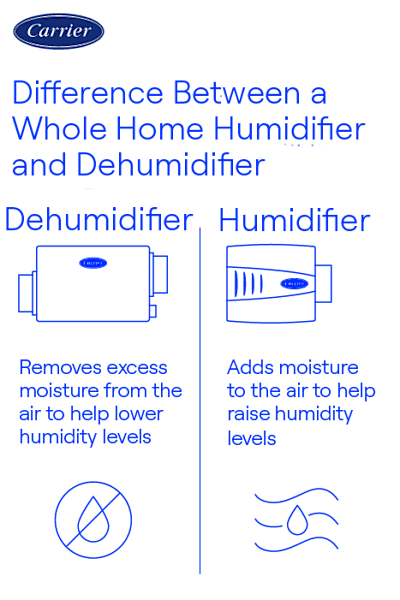
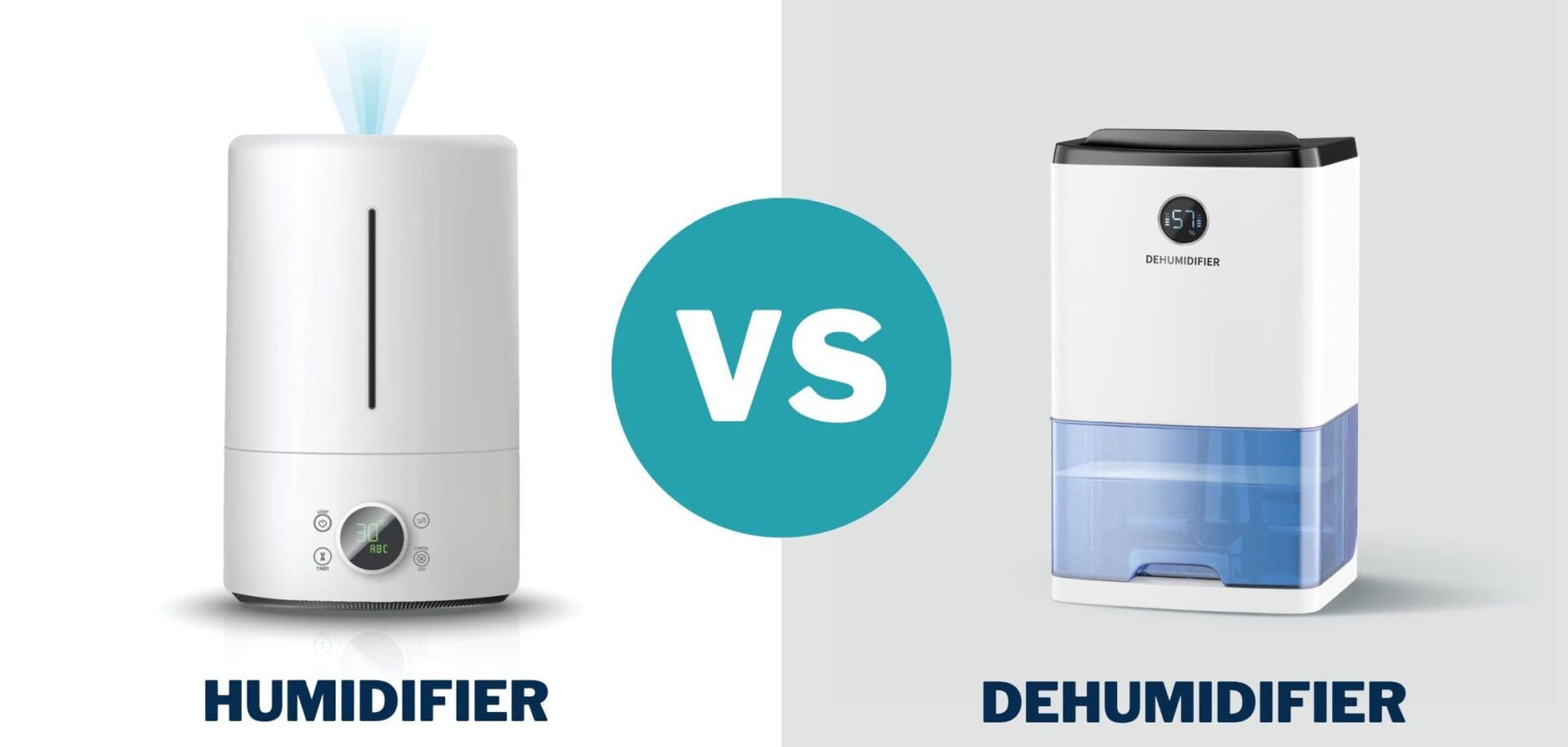
Understanding the basics of a humidifier helps to know its role in indoor air quality. Humidifiers add moisture to dry air. This can make rooms feel warmer and more comfortable. They are especially useful in cold seasons or dry climates.
Humidifiers come in different styles and work in unique ways. Each type fits different needs and room sizes. Knowing the types can help you pick the right one.
Purpose And Function
A humidifier’s main job is to increase humidity levels. It releases water vapor or steam into the air. This helps to prevent dry skin, sore throats, and irritated noses. It also protects wooden furniture and plants from drying out.
Types Of Humidifiers
There are several types of humidifiers: ultrasonic, evaporative, steam vaporizer, and impeller. Ultrasonic humidifiers use vibrations to create mist. Evaporative ones blow air through a wet wick. Steam vaporizers boil water and release steam. Impeller humidifiers use a rotating disk to spray water.
Common Uses
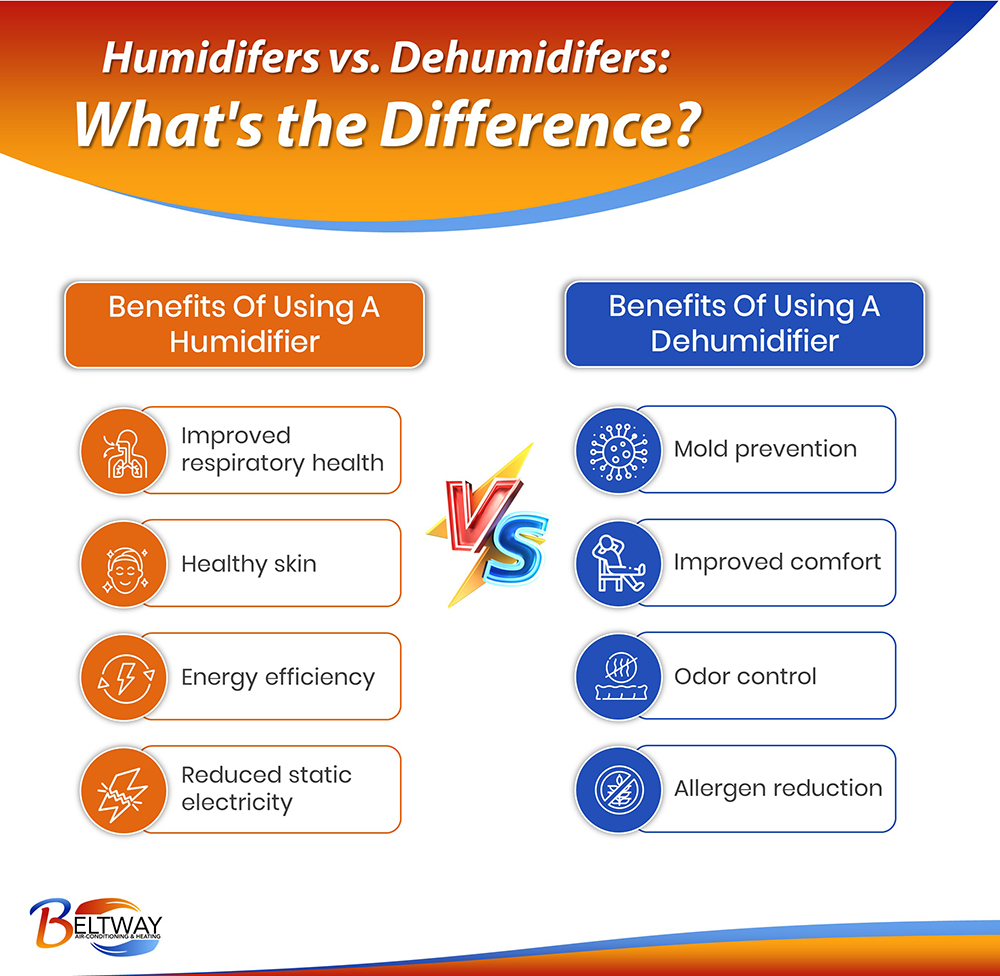
People use humidifiers to ease cold symptoms and allergies. They help babies sleep better by keeping air moist. Humidifiers also support skin health and reduce static electricity. Many use them in bedrooms, living rooms, and offices for comfort.
Credit: www.carrier.com
Dehumidifier Essentials
A dehumidifier helps control the moisture in the air. It keeps spaces dry and comfortable. This device works by removing extra water from the air. It stops dampness, mold, and mildew growth.
Understanding dehumidifiers is key to choosing the right one. They come in different types and serve many purposes. Knowing their common uses can help you decide if you need one.
Purpose And Function
A dehumidifier reduces humidity levels inside a room or building. It pulls moist air through cold coils. Water condenses and collects in a tank or drains away. Dry air then flows back into the space.
Lower humidity prevents mold, dust mites, and musty smells. It also protects furniture and walls from damage. Dehumidifiers create a healthier living environment.
Types Of Dehumidifiers
There are several types of dehumidifiers. Refrigerant models use cooling coils to remove moisture. They work best in warm, humid places. Desiccant dehumidifiers use a drying material to absorb moisture. They are good for cooler areas. Some units combine both methods for efficiency.
Portable dehumidifiers are easy to move between rooms. Whole-house dehumidifiers connect to HVAC systems to dry the entire home.
Common Uses
Dehumidifiers are useful in basements, bathrooms, and laundry rooms. These areas often have high humidity. They help prevent mold and mildew buildup. People also use dehumidifiers in homes with allergies or asthma. Removing moisture improves air quality and comfort.
Businesses use dehumidifiers to protect goods and equipment. They are common in storage rooms, warehouses, and greenhouses. Controlling humidity helps maintain product quality and safety.
Humidity And Health
Humidity plays a big role in our health and comfort. It affects breathing, skin, and overall well-being. Both too much and too little humidity cause problems. Understanding these effects helps maintain a healthy home environment. Humidifiers and dehumidifiers manage indoor humidity levels. Each device supports health in different ways.
Effects Of Low Humidity
Low humidity dries out the air inside homes. Dry air irritates the nose and throat. It can cause coughing and sore throats. Skin becomes dry, itchy, and cracked. People with asthma or allergies may feel worse. Dry air also increases static electricity. Wooden furniture and musical instruments can crack. Low humidity makes viruses spread easier. This can lead to more colds and flu.
Effects Of High Humidity
High humidity causes the air to feel heavy and sticky. It makes breathing harder for some people. Mold and dust mites grow well in moist air. These allergens trigger asthma and allergy attacks. High humidity can make skin oily and sweaty. It also damages walls and furniture. Excess moisture can lead to mold growth. Mold spores worsen indoor air quality. High humidity raises the risk of heat exhaustion too.
Choosing The Right Device
Choosing the right device for your home depends on the air quality you want to achieve. Both humidifiers and dehumidifiers serve different purposes. Understanding when to use each helps improve comfort and health. The right choice can also protect your furniture and prevent mold.
When To Use A Humidifier
Use a humidifier when the air feels dry. Dry air can cause dry skin, sore throat, and cough. It is helpful during winter or in dry climates. Humidifiers add moisture to the air. This helps reduce irritation and keeps your home comfortable.
When To Use A Dehumidifier
Use a dehumidifier if the air feels damp or sticky. High humidity can cause mold and dust mites. It can also make your home smell musty. Dehumidifiers remove excess moisture from the air. This helps protect your home and reduces allergy symptoms.
Factors To Consider
Check your local climate before choosing a device. Consider the size of the room and your budget. Think about your health needs, like allergies or dry skin. Some devices need regular cleaning and maintenance. Energy use is also important for long-term costs.
Maintenance Tips
Proper maintenance keeps your humidifier and dehumidifier working well. Regular care helps avoid damage and keeps the air healthy. Simple cleaning and checks make your devices last longer. Here are easy tips to maintain both machines.
Cleaning Humidifiers
Turn off and unplug the humidifier before cleaning. Empty the water tank daily to prevent mold growth. Use a mixture of vinegar and water to clean the tank once a week. Rinse thoroughly to remove all cleaning solution. Wipe the outside with a soft cloth. Replace filters as recommended by the manufacturer. Clean parts dry before reassembling to avoid bacteria buildup.
Cleaning Dehumidifiers
Unplug the dehumidifier before cleaning. Empty the water collection bucket every day or when full. Wash the bucket with warm, soapy water weekly. Check and clean the air filter every two weeks. Dust and dirt can block airflow and reduce efficiency. Use a vacuum or soft brush to clean the filter. Keep the vents free from dust and debris for better performance.
Troubleshooting Common Issues
Check the power supply if the device won’t start. Make sure the water tank or bucket is in place. Clean the filter if airflow is weak. Strange noises often mean loose parts or dirt buildup. Remove and clean parts carefully to fix noise. If the machine stops often, check for full water tanks or buckets. Reset the device by unplugging it for a few minutes. Contact support if problems continue after these steps.
Credit: beltwayhvac.com
Credit: performanceac.com
Frequently Asked Questions
What Is The Main Function Of A Humidifier?
A humidifier adds moisture to dry indoor air. It helps prevent dry skin, irritated sinuses, and respiratory discomfort during low humidity.
How Does A Dehumidifier Improve Indoor Air Quality?
A dehumidifier removes excess moisture from the air. This reduces mold, mildew, and allergens, creating a healthier living environment.
When Should I Use A Humidifier Or Dehumidifier?
Use a humidifier in dry conditions or winter. Use a dehumidifier in damp, humid environments to control moisture levels.
Can A Humidifier And Dehumidifier Be Used Together?
Yes, but not simultaneously in the same room. Use each device based on current humidity needs for optimal comfort.
Conclusion
Humidifiers add moisture to dry air, making it easier to breathe. Dehumidifiers remove extra moisture, stopping mold and dampness. Both help keep your home comfortable and healthy. Choose the right one based on your room’s humidity level. Knowing the difference helps you avoid problems like dry skin or mildew.
Use these devices wisely to improve indoor air quality. Simple steps bring better comfort every day.
As an Amazon Associate, I earn from qualifying purchases.