Choosing the right size area rug for your living room can completely change how the space feels. You want a rug that fits perfectly—big enough to bring everything together, but not so large that it overwhelms the room.
If you’ve ever stood in your living room wondering, “What size area rug should I get? ” you’re not alone. The good news is, finding the perfect rug size is easier than you think. You’ll discover simple tips to pick a rug that enhances your space, adds comfort, and makes your living room look amazing.
Keep reading to find out how to get it just right.

Credit: thehomeicreate.com
Choosing Rug Size Basics
Choosing the right rug size for your living room helps create a balanced and cozy space. A properly sized rug ties furniture together and defines the seating area. It also adds comfort and style to your room. Understanding basic rug sizes and how to measure your space makes this process easy and effective.
Standard Living Room Rug Sizes
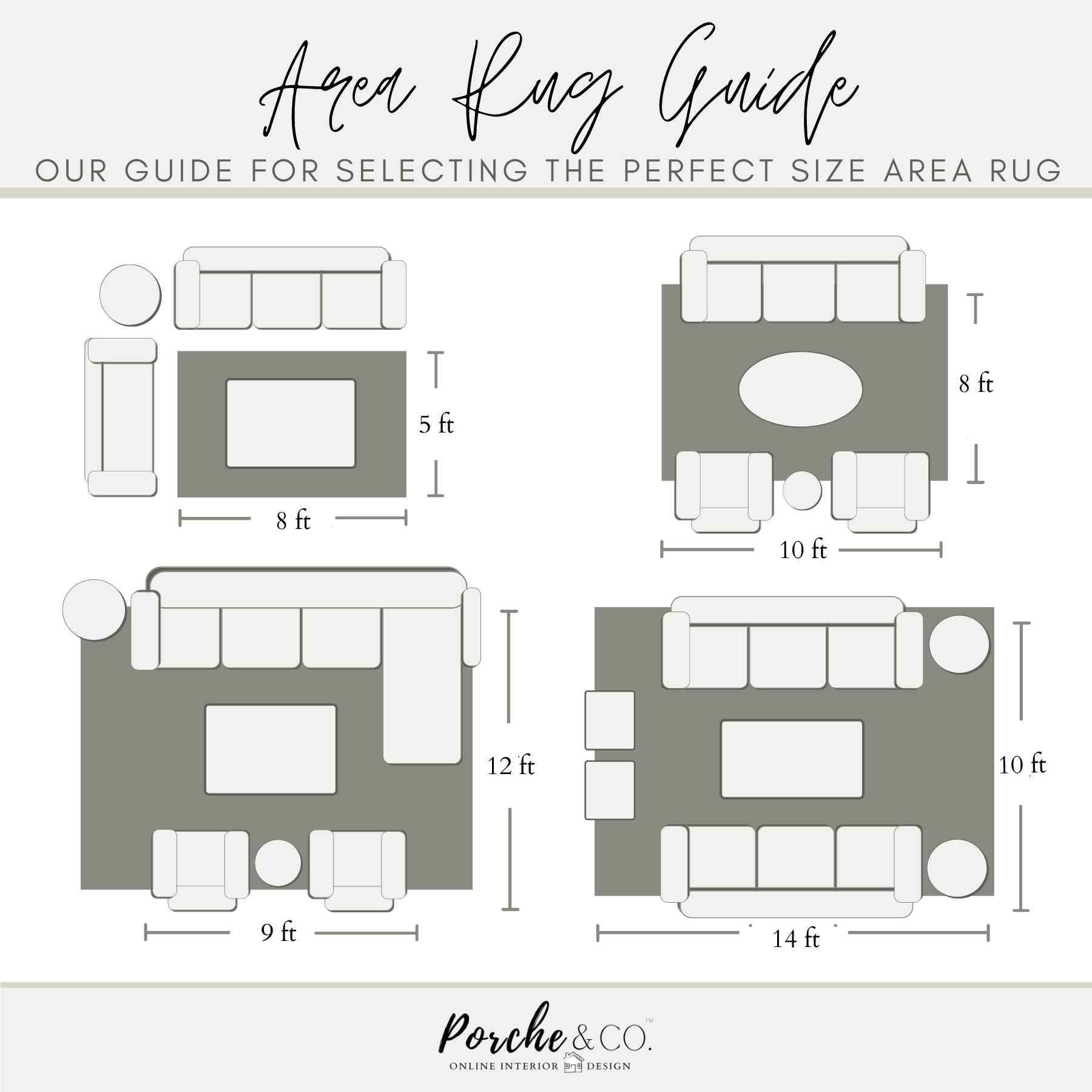
Living room rugs come in common sizes that fit most spaces. The most popular sizes are 5×8 feet, 8×10 feet, and 9×12 feet. Small rugs work well for compact rooms or areas. Larger rugs cover more floor and fit bigger seating groups. Choosing a standard size simplifies the selection process and ensures good coverage.
Measuring Your Space
Measure your living room floor before buying a rug. Start by measuring the entire seating area. Note the distance between furniture legs and walls. Leave space for walking paths around the rug. Use a tape measure and mark the area with painter’s tape. This helps visualize the rug size in your room.
Rug Placement Tips
Choosing the right rug size is important, but placing the rug correctly is just as vital. Proper rug placement ties the room together. It creates a cozy and balanced look. Rugs can define spaces and add warmth to your living room. Follow these simple tips to place your rug perfectly.
Rugs Under The Sofa
Place the rug so it extends under the sofa. The front legs of the sofa should rest on the rug. This anchors the seating area and makes the room feel connected. The rug should be large enough to fit the sofa legs comfortably. Avoid rugs that are too small or only under the middle of the sofa.
Rugs And Coffee Tables
Center the coffee table on the rug. The rug should extend beyond the table by at least 12 inches on all sides. This creates space and balance between the furniture pieces. A well-placed rug under the coffee table protects your floor and adds style. Make sure the rug size complements both the table and seating arrangement.
Rugs In Open Floor Plans
Use rugs to define separate areas in an open floor plan. Place rugs under each seating zone to create distinct spaces. Rugs help mark boundaries without walls. Choose sizes that fit each area but do not crowd the room. Keep pathways clear and allow rugs to flow naturally with the space.
Room Shape And Rug Size
Choosing the right rug size depends on the shape of your living room. The room shape guides how the rug fits and looks. A well-sized rug can make the space feel balanced and cozy. Each room shape needs a different rug approach to match its layout. Below are tips for square, rectangular, and L-shaped living areas.
Square Rooms
Square rooms suit square or round rugs best. The rug should fill most of the floor but leave some space around edges. A rug that is too small looks lost in the room. Aim for a rug size that allows all furniture legs to sit on it or at least the front legs. This creates a neat, connected look.
Rectangular Rooms
Rectangular rooms need a longer rug to follow the room’s shape. Choose a rug that runs under the furniture and leaves space at the ends. This helps balance the long room and defines seating areas. Make sure the rug is wide enough to fit the sofa and chairs comfortably.
L-shaped Living Areas
L-shaped living rooms need two rugs or one large rug that fits both sections. Use rugs to separate areas like a reading nook or TV space. The rug sizes should match each zone’s furniture and shape. This approach keeps the space organized and visually pleasing.
Credit: porcheandco.com
Furniture And Rug Compatibility
Choosing the right rug size depends on how your furniture fits on it. The rug must match your furniture layout. This balance helps your living room look inviting and well put together. Rugs can define spaces and bring warmth to your room. Proper furniture and rug pairing improve both style and comfort.
Sectionals And Large Rugs
Sectional sofas need big rugs. The rug should be large enough to hold the entire sectional or at least the main seating area. This creates a unified space and stops the room from feeling broken up. A rug that is too small looks awkward and can make the sectional feel disconnected from the rest of the room.
Sofas And Chairs On Rugs
Placing sofas and chairs on rugs works well for smaller living rooms. Ideally, the front legs of both the sofa and chairs sit on the rug. This arrangement ties the furniture together and adds a cozy feel. If the rug is too small, the furniture will seem scattered and less inviting.
Floating Rugs
Floating rugs sit completely under the furniture without touching any legs. This style suits casual or modern rooms. It works best with smaller rugs. Floating rugs add a layer of texture and color without changing the furniture layout. They help highlight the floor and make the room feel open.
Style And Rug Size Effects
Choosing the right rug size affects the style and feel of your living room. Rugs do more than cover floors. They shape the space visually and emotionally. The size of a rug can make a room feel cozy or spacious. It also highlights furniture and décor. Understanding how style and rug size work together helps create a balanced, inviting room.
Creating Visual Balance
A rug that is too small looks lost in a big room. Too large, and it can overwhelm the space. Visual balance means the rug fits the room and furniture well. It anchors the seating area and ties pieces together. A good rule: leave some floor visible around the rug edges. This space keeps the room open and balanced.
Layering Rugs
Layering rugs adds texture and style to your living room. A large neutral rug can serve as a base. Then place a smaller, patterned rug on top. This mix creates depth and interest. Layering also lets you use different colors and shapes. It is a creative way to highlight the room’s personality.
Matching Rug Size To Decor
Match the rug size with the style of your furniture and room. For a formal look, choose a rug that fits all furniture legs. For a casual style, place the rug under just the front legs. The rug should complement the colors and patterns in the room. Proper size and style harmony make the space feel complete.
Common Mistakes To Avoid
Choosing the right size area rug for your living room can be tricky. Many people make simple mistakes that affect the room’s look and feel. Avoiding these errors helps create a comfortable and stylish space. Let’s explore some common mistakes to avoid.
Rugs Too Small For Space
Small rugs can make your living room look awkward and unbalanced. They may not cover enough floor area, leaving too much empty space. A rug that is too small also fails to anchor your furniture properly. Choose a rug size that fits well under furniture and fills the room adequately.
Overlapping Furniture Edges
Placing a rug so that furniture legs sit halfway on and off creates an untidy look. This overlap can make the space feel cluttered and disconnected. Make sure your rug is large enough to fit all furniture legs or just the front legs. This approach keeps your arrangement neat and cohesive.
Ignoring Traffic Flow
Ignoring how people move in your living room leads to problems. Rugs placed in high-traffic areas can wear out quickly or cause tripping. Ensure your rug placement allows easy movement around furniture. Leave enough space for clear pathways to keep the room functional and safe.
Material And Maintenance Considerations
Choosing the right material for your living room rug affects comfort and care. Each material has unique features and maintenance needs. Knowing these helps keep the rug looking fresh and lasting longer.
Rug Materials For Living Rooms
Wool rugs are soft and durable. They resist dirt and stains well. Wool feels warm underfoot and suits busy homes.
Polypropylene rugs cost less and handle moisture. They dry fast and resist fading. Good for homes with pets or kids.
Natural fibers like jute or sisal add texture. These rugs are eco-friendly but can wear quickly. Avoid in damp areas.
Cotton rugs are easy to clean and lightweight. They work well in casual spaces. However, they may wear out faster than wool.
Cleaning And Care Tips
Vacuum your rug regularly to remove dust and dirt. Use a vacuum without a beater bar to protect fibers.
Spot clean spills immediately with a mild detergent. Blot gently instead of rubbing to avoid damage.
Rotate the rug every few months to ensure even wear. This helps maintain the rug’s appearance and shape.
For deep cleaning, check the care label. Some rugs need professional cleaning, while others can be washed at home.
:max_bytes(150000):strip_icc()/living-room-area-rugs-1977221-e10e92b074244eb38400fecb3a77516c.png)
Credit: www.thespruce.com
Frequently Asked Questions
What Size Rug Fits A 10×12 Living Room?
For a 10×12 living room, an 8×10 rug works best. It fits well under furniture and leaves a border around the edges. This size balances the room without overwhelming the space or making it feel too crowded.
How To Choose The Right Rug Size For Living Room?
Measure your living room and furniture layout first. Choose a rug that fits under key pieces like sofas and chairs. Aim to leave about 18-24 inches of bare floor visible around the rug edges for proportional balance.
Can A Small Rug Work In A Large Living Room?
Small rugs can work in large living rooms if used as accent pieces. However, they should not float in the middle alone. Instead, anchor furniture legs on the rug or layer with larger rugs for cohesion.
Should All Furniture Legs Be On The Rug?
Ideally, at least the front legs of all major furniture pieces should rest on the rug. This creates a unified look and defines the seating area. Rugs that only fit under coffee tables can feel disconnected.
Conclusion
Choosing the right rug size shapes your living room’s look and feel. A well-sized rug ties furniture and space together. It creates comfort and adds style without crowding the room. Measure your space carefully before buying a rug. Think about how you want the room to feel—cozy, spacious, or balanced.
The perfect rug size makes your living room inviting and complete. Small details like rug size make a big difference in your home’s design. Take time to pick the best fit for your space and style.
As an Amazon Associate, I earn from qualifying purchases.