Many people use devices to improve the air inside their homes. Two common devices are air purifiers and humidifiers. Both help make the air better to breathe. But they do different things. This article will explain what each device does. It will also show the main differences between an air purifier and a humidifier.
What Is an Air Purifier?
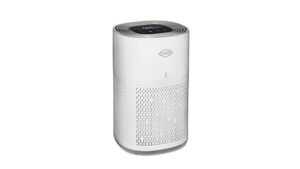
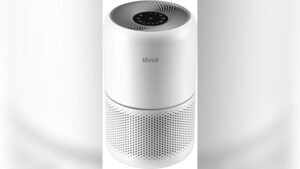
An air purifier cleans the air around you. It removes tiny particles like dust, pollen, and smoke. It also takes away bacteria and viruses in the air. This helps people breathe cleaner air. Air purifiers are useful for people with allergies or asthma.
Most air purifiers have filters inside. These filters catch harmful things floating in the air. Some use special technology like HEPA filters. HEPA means “High Efficiency Particulate Air.” These filters trap very small particles, even ones you cannot see.
How Does An Air Purifier Work?
- Air is pulled into the machine.
- It passes through one or more filters.
- Filters catch dust, pollen, and smoke.
- Clean air comes out of the machine.
Air purifiers can also remove bad smells. Some models have carbon filters. These filters absorb odors from pets, cooking, or smoke.
What Is a Humidifier?
A humidifier adds moisture to the air. It helps when the air is too dry. Dry air can make your skin itchy. It can also cause a sore throat or dry nose. A humidifier makes the air wet enough to feel comfortable.
There are many types of humidifiers. Some use warm steam, and others use cool mist. Both types add water vapor to the room. This helps stop problems caused by dry air.
How Does A Humidifier Work?
- You fill the humidifier with water.
- The machine turns water into mist or steam.
- Mist or steam is released into the air.
- The room becomes more humid or moist.
Humidifiers are often used in winter. Cold air holds less moisture, so heating makes air dry. Using a humidifier can help keep your skin and throat healthy.
Main Differences Between Air Purifiers and Humidifiers
Now, let’s look at the main differences. This will help you decide which device you need.
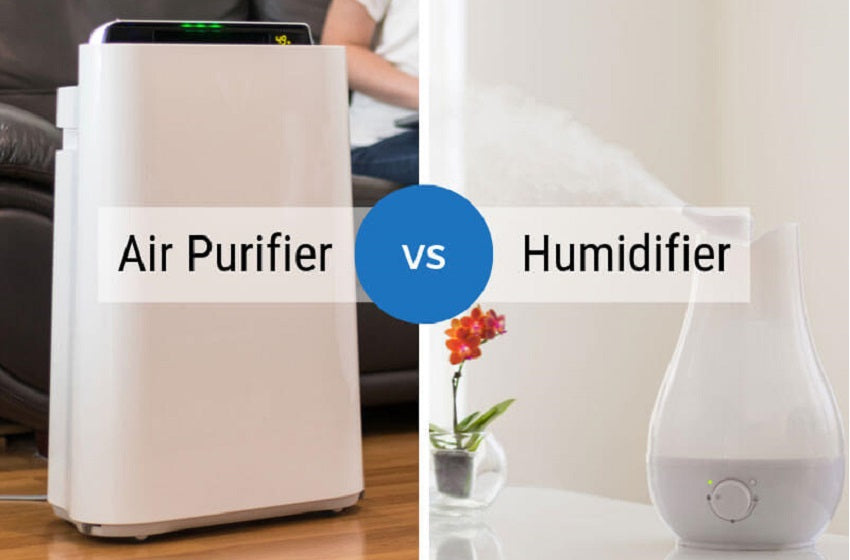
| Feature | Air Purifier | Humidifier |
|---|---|---|
| Purpose | Clean and remove harmful particles in air | Add moisture to dry air |
| Works On | Dust, pollen, smoke, bacteria, viruses, odors | Dryness in air causing dry skin, nose, throat |
| Effect on Air | Keeps air clean but does not add moisture | Increases humidity by adding water vapor |
| Useful For | People with allergies, asthma, or bad smells | People with dry skin, dry nose, or throat irritation |
| How It Works | Filters air to remove particles | Adds water mist or steam to air |
| Common Types | HEPA filters, carbon filters, ionizers | Ultrasonic, evaporative, steam humidifiers |
When Should You Use an Air Purifier?
Use an air purifier if you want to remove dust and allergens. It is good for people who sneeze a lot. Or those who have pets that shed fur. It helps clean the air from smoke or cooking smells. It also helps reduce germs and viruses in the air.
If you or your family have asthma or allergies, an air purifier can help. It can lower the chances of coughing or wheezing. But remember, an air purifier does not add moisture.
When Should You Use a Humidifier?
Use a humidifier when the air feels dry. Dry air can hurt your skin and throat. It can make you cough or have a sore nose. A humidifier adds water to the air to stop these problems.
In winter, the heating makes air very dry. Using a humidifier can help you feel better. It can help babies sleep better too. But a humidifier does not clean the air. It only adds moisture.

Credit: airpurifiers.sg
Can You Use Both Devices Together?
Yes, you can use an air purifier and a humidifier at the same time. They do different jobs. One cleans the air, the other adds moisture. Together, they can make your home air healthy and comfortable.
For example, in winter, the air can be dry and dusty. The humidifier adds moisture, and the air purifier cleans dust. This combination is good for people with breathing problems.
Credit: airdogusa.com
Important Tips for Using Air Purifiers and Humidifiers
- Clean your devices regularly. Dirt can build up and make them less good.
- Change filters in air purifiers on time. Old filters do not clean well.
- Use clean water in humidifiers. Dirty water can cause germs to grow.
- Do not add oils or other things unless the device allows it.
- Place devices in rooms where you spend most time.
Summary
Air purifiers and humidifiers are helpful machines. They make indoor air better but in different ways. Air purifiers remove dust, germs, and bad smells. Humidifiers add moisture to dry air. Knowing the difference helps you choose the right device.
Use an air purifier if you need clean air free from dust and allergens. Use a humidifier if the air is dry and makes you uncomfortable. Sometimes, using both is best for healthy air at home.
Remember, good air quality helps you breathe well and feel better every day.
Frequently Asked Questions
What Does An Air Purifier Do?
An air purifier cleans the air by removing dust, pollen, and smoke. It helps reduce allergies and improves air quality indoors.
How Does A Humidifier Work?
A humidifier adds moisture to dry air by releasing water vapor. It helps ease dry skin, throat, and breathing issues.
Can An Air Purifier Increase Humidity?
No, an air purifier only cleans air; it does not add moisture. For humidity, you need a humidifier or similar device.
Which Device Is Better For Allergies?
An air purifier is better for allergies because it traps allergens. A humidifier only adds moisture and does not remove particles.
As an Amazon Associate, I earn from qualifying purchases.