
Are you struggling to find the perfect spot for your floor lamp? Placing a floor lamp isn’t just about lighting up a room—it’s about creating the right mood, highlighting your favorite corners, and making your space feel cozy and inviting.
Where you put your lamp can change everything, from how you read a book to how your guests see your living room. Keep reading, and you’ll discover simple yet powerful tips to place your floor lamps in the best spots that will brighten your home and your day.

Credit: thearchiology.com
Choosing The Right Spot
Choosing the right spot for a floor lamp can change the feel of any room. It is important to think about where the lamp will give the best light without getting in the way. The right place makes the room look cozy and bright. This section will help you find the perfect spot for your floor lamp.
Assessing Room Layout
Look at how your room is arranged. Notice the furniture and how much space is free. A floor lamp fits best where it can light up a dark corner or a reading spot. Avoid placing it where people walk a lot. This stops the lamp from being a trip hazard. Think about the lamp as part of the room’s design, not just a light source.
Considering Natural Light
Check where sunlight comes in during the day. A floor lamp works well in places where natural light is weak. Use it near windows for extra light in the evening. Avoid spots that get too much sun. Bright light can make the lamp less useful. Balance natural and artificial light for a nice look.
Avoiding Cluttered Areas
Do not put a floor lamp in crowded spaces. Clutter makes a room feel small and messy. The lamp needs space to stand tall and shine. Clear spots near chairs or sofas are best. This keeps the area open and safe. A tidy place helps the light spread evenly across the room.
Enhancing Living Rooms
Living rooms are the heart of any home. They need light that is both functional and warm. Floor lamps can change the mood and style of this space. The right placement makes a big difference. Choose spots that improve comfort and look.
Illuminating Seating Areas
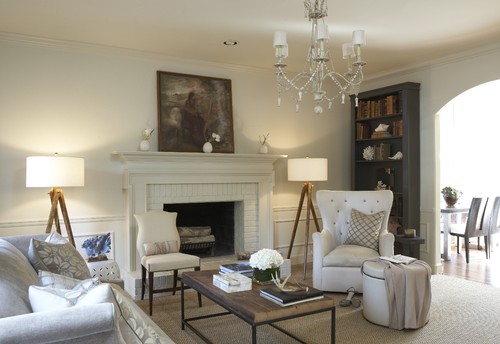
Place floor lamps near sofas or chairs. This brightens spaces where people read or talk. Soft light helps eyes and creates a calm mood. Adjustable lamps work well to direct light exactly where needed.
Highlighting Artwork And Decor
Use floor lamps to shine on paintings or sculptures. This draws attention to special pieces on walls or shelves. Warm light enhances colors and shapes. Position lamps a few feet from the art for the best effect.
Creating Cozy Corners
Set a floor lamp in an empty corner to make it inviting. Add a chair or small table nearby. This turns unused space into a quiet spot for relaxing. The gentle light makes the corner feel warm and peaceful.
Lighting Bedrooms Effectively
Lighting bedrooms well helps create a calm and cozy space. The right floor lamp placement can change the mood. It also makes tasks like reading easier. Choose spots that give enough light without glare or shadows. Let’s explore some good places for floor lamps in bedrooms.
Beside The Bed
Place a floor lamp next to the bed for soft, direct light. It helps with reading or relaxing before sleep. Choose lamps with adjustable brightness or a dimmer switch. This lets you control light without disturbing your partner. Keep the lamp close but out of the way to avoid bumps.
Near Reading Nooks
Find a quiet corner and add a floor lamp for reading. Position it behind or beside your chair to avoid shadows on the page. A lamp with a flexible arm works well here. It focuses light exactly where you need. This setup makes reading more comfortable and enjoyable.
Balancing Ambient Light
Use floor lamps to balance the room’s main light source. Place them opposite windows or overhead lights to reduce harsh shadows. This creates a warm, even glow throughout the bedroom. Mixing different light sources adds depth and comfort. It also makes your bedroom feel inviting and restful.
Credit: www.1800lighting.com
Brightening Workspaces
Brightening workspaces with floor lamps helps create a comfortable and focused environment. Proper lighting reduces shadows and dark spots. It makes the area easier to work in for long hours. Choosing the right spot for a floor lamp improves both comfort and efficiency.
Desk And Task Lighting
Place floor lamps near desks to provide direct light on work surfaces. This lighting helps you see documents and screens clearly. Adjustable lamps are ideal to direct light exactly where needed. Avoid placing lamps behind your screen to reduce glare.
Reducing Eye Strain
Good lighting lowers eye strain and fatigue during work. Floor lamps with soft, warm light protect your eyes from harsh brightness. Position lamps to balance natural and artificial light for steady brightness. This setup keeps your eyes relaxed and reduces headaches.
Maximizing Productivity
Bright, well-lit spaces help keep focus and energy high. Floor lamps placed near work areas create a lively atmosphere. Proper lighting signals your brain to stay alert and active. Clear visibility of your tasks improves speed and accuracy.
Using Floor Lamps In Hallways
Floor lamps bring light and style to hallways. These narrow spaces often lack natural light and can feel cold or dull. A well-placed floor lamp changes that. It brightens the path and adds a cozy touch.
Adding Warmth To Narrow Spaces
Floor lamps make hallways feel warm and inviting. They cast soft light that spreads across walls. This light reduces shadows and opens up tight spaces. Choose lamps with warm bulbs for a gentle glow. This light makes hallways more pleasant to walk through.
Safety And Navigation
Good lighting in hallways helps prevent trips and falls. Floor lamps highlight stairs and corners clearly. Place lamps near doorways or turns for better visibility. Bright paths guide people safely through dark areas. This simple step improves home safety a lot.
Decorative Accents
Floor lamps add style beyond just light. They can match the hallway’s decor and colors. A lamp with an interesting shape or shade becomes art. It draws attention and adds personality. Think of the lamp as both a light and a decoration.
Styles And Sizes To Match
Choosing the right style and size for floor lamps helps create a balanced room. Lamps that match your furniture and space look natural. The right size prevents the lamp from overpowering or disappearing in the room. Styles can range from classic to modern, fitting different tastes and rooms. Consider the lamp’s height, design, and bulb type to enhance your space.
Choosing Lamp Height
Floor lamps come in many heights. A lamp should be tall enough to provide good light but not block sight lines. For reading areas, a height of 5 to 6 feet works well. Shorter lamps suit corners or small spaces. Measure your room before buying to ensure the lamp fits comfortably.
Complementing Interior Design
Select a lamp style that matches your room’s look. Sleek metal lamps fit modern homes. Wood or fabric lamps suit cozy or traditional spaces. Colors should blend or contrast gently with walls and furniture. A well-chosen lamp adds charm and matches your home’s personality.
Selecting Bulb Types
Bulb choice affects light quality and energy use. LED bulbs save energy and last longer. Soft white bulbs create a warm, inviting glow. Bright white bulbs work for task lighting. Choose bulbs that fit the lamp and your lighting needs.
Avoiding Common Mistakes
Placing floor lamps might seem easy. Yet, many make simple mistakes that affect light and space. Avoid these errors to brighten your room well and keep it safe. Understanding common pitfalls helps you choose the best spot for your lamp.
Overlapping Light Sources
Too many lamps close together cause bright spots and shadows. Overlapping light creates glare and wastes energy. Spread lamps evenly to give a soft, balanced glow. Use floor lamps to fill dark corners, not to compete with ceiling lights.
Blocking Pathways
Placing lamps where people walk can cause trips and falls. Floor lamps should stand clear of doors and busy paths. Leave enough space for movement around furniture and lamps. A clear walkway keeps your home safe and comfortable.
Ignoring Electrical Outlets
Floor lamps need power. Putting lamps far from outlets means long cords or no light. Plan lamp placement near outlets to avoid visible wires. Use extension cords only if necessary and keep them tidy.

Credit: www.reddit.com
Frequently Asked Questions
Where Is The Best Spot To Place A Floor Lamp?
The best spot for a floor lamp is near seating areas. Place it beside sofas or chairs to provide focused light. It enhances reading and creates a cozy atmosphere. Avoid blocking walkways and ensure the lamp complements room design.
How Far Should A Floor Lamp Be From The Wall?
Keep a floor lamp about 12 to 18 inches from the wall. This distance prevents shadows and allows even light distribution. It also helps protect the wall from heat damage. Adjust placement based on lamp design and room size.
Can Floor Lamps Improve Room Lighting Effectively?
Yes, floor lamps can effectively enhance room lighting. They add ambient, task, or accent lighting depending on placement and shade style. Floor lamps are versatile and can brighten dark corners or highlight artwork.
Should Floor Lamps Be Placed Near Electrical Outlets?
Yes, place floor lamps near electrical outlets for easy access. This avoids extension cords, which can be tripping hazards. Consider cord length and room layout when choosing the lamp’s location.
Conclusion
Placing floor lamps well brightens any room and adds style. Think about where you need light most. Corners, reading spots, or beside sofas work great. Choose spots that do not block walking paths. Lamps can create cozy, inviting spaces easily.
Try different places until the light feels right. Good lighting makes your home feel warm and safe. Remember, small changes can make a big difference. Enjoy the glow and the comfort it brings.
As an Amazon Associate, I earn from qualifying purchases.