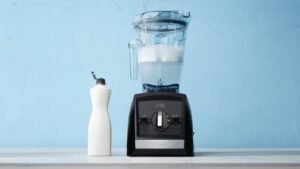
Have you ever wondered who invented blenders, the handy kitchen tool that makes your smoothies, soups, and sauces so easy to prepare? You use it almost every day, but do you know the story behind this powerful appliance?
Understanding who created the blender can give you a new appreciation for this simple device that saves you time and effort. Keep reading, and you’ll discover surprising facts that will change the way you see your blender forever.
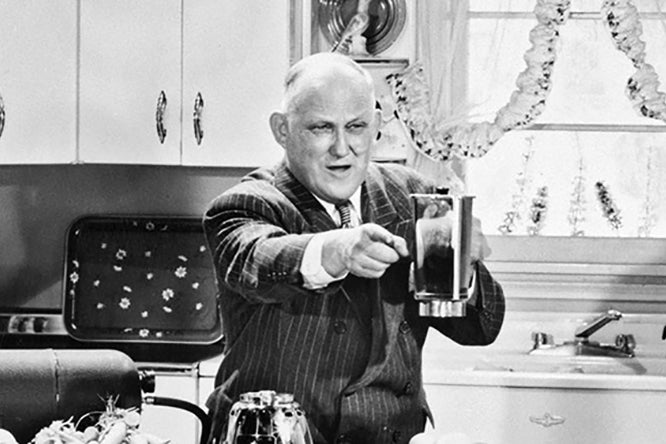
Credit: www.blendersonline.com.au
Early Mixing Devices
Before the electric blender, people used simple tools to mix and prepare food. These early devices helped combine ingredients but took more time and effort. Understanding these tools shows how the blender became an important kitchen gadget.
Early mixing devices were basic but essential in daily cooking. They laid the foundation for modern appliances.
Tools Before Electric Blenders
Wooden spoons and hand whisks were common for mixing. People also used mortar and pestle to crush and blend ingredients. Manual egg beaters helped whip creams and eggs by hand. These tools needed physical strength and patience to work well.
Challenges In Food Preparation
Mixing food by hand was slow and tiring. It was hard to get smooth textures or well-blended mixtures. Some recipes required long mixing times, causing uneven results. This made cooking less efficient and more frustrating.
The Birth Of The Blender
The blender is a common kitchen tool today. It helps make smoothies, soups, and sauces fast. But it had a simple start. Its birth began with inventors trying to mix liquids better and faster.
At first, people used hand tools to stir and mix. These tools were slow and took effort. The idea to create a machine that could do this work changed everything.
Key Inventors And Their Contributions
Stephen Poplawski was one of the first inventors to work on the blender. In 1922, he created a machine to mix drinks quickly. His design included a spinning blade at the bottom of the container.
Fred Osius later improved this design. He worked with the Stevens Electric Company to make the blender more powerful and easier to use. His contributions helped bring the blender to more homes.
Other inventors added small changes over time. These changes improved safety, power, and ease of cleaning. Each step made the blender a better kitchen tool.
The First Electric Blender Model
The first electric blender was made in the 1930s. It had a motor at the base and a glass jar. The motor powered the blades to chop and mix ingredients fast.
This model was called the “Liquefier.” It was designed to make soda fountain drinks and milkshakes. Its success led to more people buying blenders for home use.
The electric blender changed cooking by saving time and effort. It became a must-have kitchen appliance worldwide.
Technological Innovations
The invention of blenders marked a big step in kitchen technology. Over time, these machines saw many changes. These changes made blenders faster, safer, and easier to use. The focus was on two main parts: the motor and the blades. These parts improved a lot. They helped blenders blend food better and quicker.
Motor Improvements
Early blenders had simple motors. These motors often overheated or broke easily. Engineers worked to make motors stronger and cooler. New motors used less energy but gave more power. This meant blenders could crush ice and hard fruits easily. The motors became quieter too. Today’s blenders run smoothly and last longer because of these upgrades.
Blade Design Evolution
Blade shapes changed a lot since the first blender. Early blades were flat and not very sharp. They could not blend thick mixtures well. Designers created blades with sharp edges and curves. These blades cut food faster and mix it more evenly. Some blades now can crush ice and grind nuts. The blade improvements made blenders useful for many recipes.
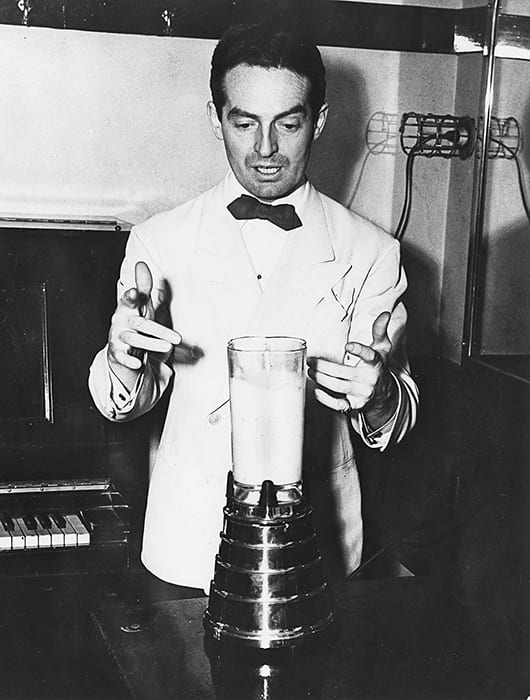
Credit: imbibemagazine.com
Blenders In Popular Culture
Blenders have become a common sight in kitchens worldwide. Their presence goes beyond just blending fruits or making smoothies. They have made a mark in popular culture, shaping the way people cook and eat.
Blenders often appear in movies and TV shows, symbolizing modern cooking and convenience. They represent fast, easy food preparation. This small appliance connects with many people’s daily lives and habits.
Impact On Culinary Practices
Blenders changed how people prepare food. They make mixing and pureeing faster and easier. Recipes that once took hours now take minutes. Chefs and home cooks use blenders to create soups, sauces, and drinks with smooth textures. This tool opened new ways to experiment with food. It helped popularize fresh juices and healthy smoothies in daily diets. Blenders also made it simple to blend ingredients evenly, improving food taste and quality.
Advertising And Mass Adoption
Advertising played a big role in making blenders popular. Early ads showed how blenders save time and effort. They highlighted the appliance’s power and versatility. This attracted many buyers to try the product. Advertisements often featured famous chefs and healthy recipes. This built trust and excitement around the blender. Stores started offering blenders at affordable prices. Mass adoption grew as more people saw the benefits. Blenders became a staple in households, kitchens, and cafés worldwide.
Modern Blender Advancements
Modern blenders have changed a lot from their early designs. They now offer more than just basic blending. These advances make blending easier and more efficient. New technology improves user experience and product lifespan. Sustainability also plays a big role in new blender designs.
Smart Features And Automation
Many modern blenders come with smart features. These include touch screens and preset programs for smoothies, soups, and ice crushing. Some models connect to apps for remote control and recipe guidance. Automation helps users achieve consistent results with little effort. Timers and speed sensors adjust blending for the best texture. These features save time and reduce guesswork.
Sustainability And Materials
New blenders use eco-friendly materials to reduce waste. Recyclable plastics and stainless steel parts are common. Some brands focus on long-lasting components to avoid frequent replacements. Energy-efficient motors help lower power use during blending. Manufacturers also design products for easy repair and recycling. This approach supports a healthier planet and smarter consumption.
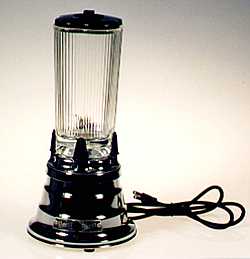
Credit: exhibits.museum.state.il.us
Frequently Asked Questions
Who Invented The First Blender?
Stephen Poplawski invented the first blender in 1922. He designed it to make soda fountain drinks quickly and easily.
When Was The Blender Invented?
The blender was invented in 1922 by Stephen Poplawski. It revolutionized drink preparation and kitchen appliances.
What Was The First Blender Used For?
The first blender was used to mix soda fountain drinks. It helped create milkshakes and other beverages efficiently.
How Did Blenders Evolve Over Time?
Blenders evolved with better motors, sharper blades, and versatile functions. They became essential kitchen tools for smoothies and soups.
Conclusion
Blenders changed how people prepare food and drinks. Stephen Poplawski created the first blender in 1922. His invention made mixing easier and faster. Since then, blenders evolved with new features and designs. They became common in kitchens worldwide. Knowing who invented blenders helps us appreciate this useful tool.
It shows how simple ideas can improve daily life. Blenders remain essential for many recipes and healthy habits. Their history reminds us of creativity and progress.
As an Amazon Associate, I earn from qualifying purchases.