Are you tired of seeing mold creeping up on your walls or in hidden corners of your home? You might be wondering if a dehumidifier is the simple fix you need to get rid of mold for good.
Mold thrives in damp places, and lowering humidity sounds like a smart move. But will a dehumidifier really solve the problem, or is it just a temporary bandage? Keep reading to discover how dehumidifiers work against mold, what they can and can’t do, and the best steps you can take to protect your home and your health.
This could be the answer you’ve been searching for.
Credit: www.choice.com.au
How Mold Grows Indoors
Mold grows inside homes when conditions are right. It needs moisture, warmth, and organic material to thrive. Mold spores are everywhere, but they only grow when they find water. This makes indoor damp areas a perfect place for mold to spread.
Understanding how mold grows helps stop it early. Controlling moisture is the key step in keeping mold away. Let’s explore how moisture affects mold growth, where mold usually appears, and the health risks it brings.
Moisture’s Role In Mold Growth
Mold needs moisture to grow. Water from leaks, humidity, or spills creates damp spots. These damp areas give mold the perfect place to start growing. Without moisture, mold spores stay inactive and harmless.
High humidity levels above 60% make mold grow fast. Poor ventilation traps moisture inside rooms. Fixing water problems and reducing humidity stops mold growth.
Common Mold-prone Areas
Mold often grows in bathrooms, kitchens, and basements. These places have more moisture from water use or leaks. Walls, ceilings, and floors near water pipes are common spots. Window sills and around air conditioners also collect moisture.
Dark, quiet areas with little air movement invite mold. Checking these places regularly helps find mold early. Cleaning and drying these spots reduce mold risk.
Health Effects Of Mold Exposure
Mold can cause health problems for many people. Breathing mold spores can lead to allergies, coughing, and sneezing. Some people get skin rashes or eye irritation.
Long-term mold exposure may cause asthma or breathing issues. Children, elderly, and people with weak immune systems are more at risk. Removing mold quickly protects health and comfort.

Credit: www.youtube.com
Function Of A Dehumidifier
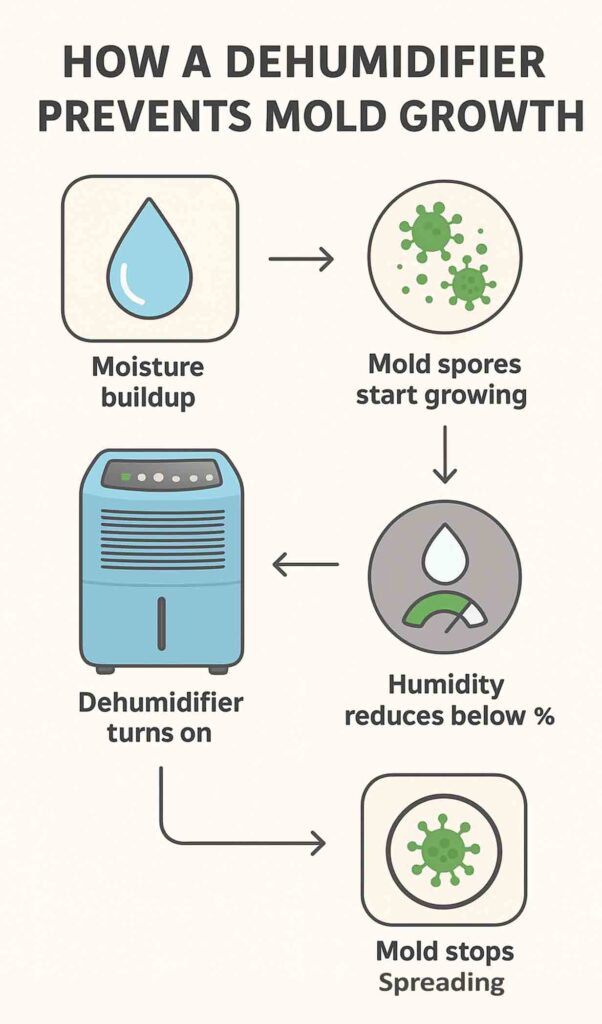
A dehumidifier helps control moisture in the air. Moisture control is important to stop mold growth. By lowering humidity, a dehumidifier creates an environment where mold cannot thrive. It does not remove mold directly but prevents new mold from forming. Understanding how a dehumidifier works can help you use it effectively against mold.
How Dehumidifiers Work
Dehumidifiers pull moist air inside the machine. The air passes over cold coils. Water vapor turns into liquid and collects in a tank. Dry air is released back into the room. This cycle lowers the room’s humidity level. Lower humidity means less moisture for mold to grow.
Types Of Dehumidifiers
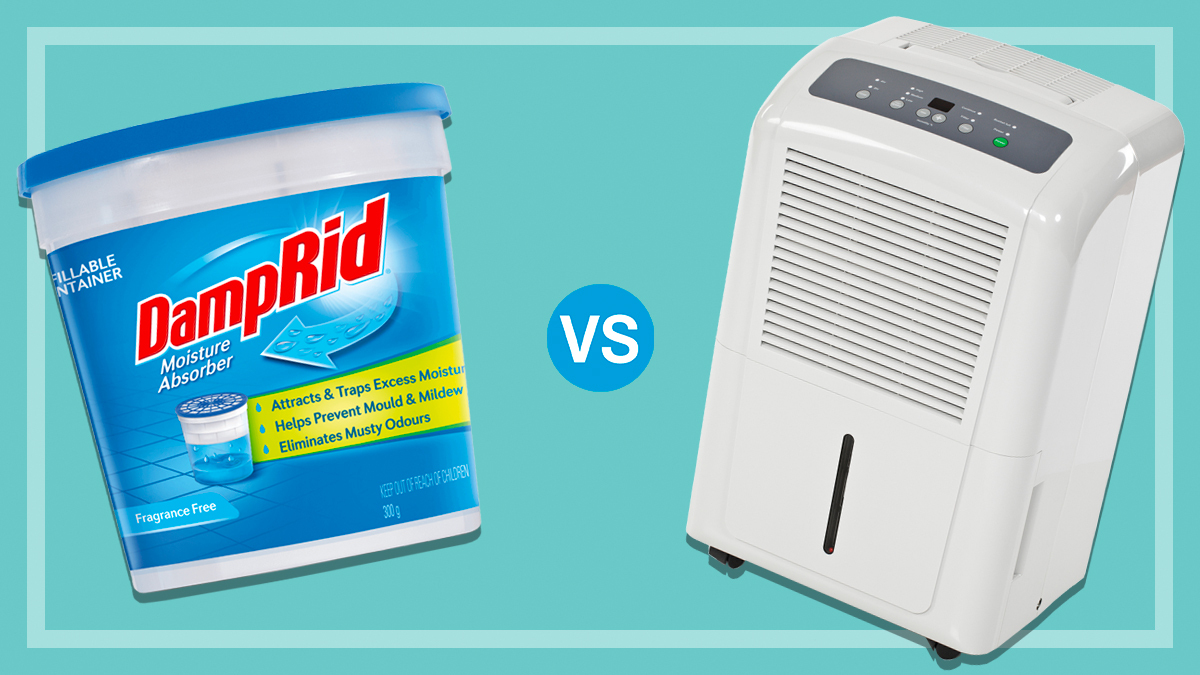
There are two main types of dehumidifiers. Refrigerant models use cold coils to remove moisture. Desiccant models use a material that absorbs water. Refrigerant dehumidifiers work best in warm areas. Desiccant dehumidifiers work well in cooler spaces. Choose a type based on your room’s temperature.
Ideal Humidity Levels To Prevent Mold
Keep indoor humidity between 30% and 50%. Mold struggles to grow below 60% humidity. Use a hygrometer to measure your home’s humidity. Run a dehumidifier to maintain the ideal range. Controlling humidity helps prevent mold growth effectively.
Dehumidifiers And Mold Removal
Dehumidifiers play a key role in controlling moisture inside homes. Moisture helps mold grow. Removing excess moisture can slow down mold growth. Dehumidifiers reduce humidity levels in the air. This makes the environment less friendly for mold spores. Understanding how dehumidifiers work with mold removal is important.
Can Dehumidifiers Kill Mold?
Dehumidifiers do not kill mold directly. They lower moisture, which mold needs to grow. Mold spores remain in the air and on surfaces. Dehumidifiers reduce the chance of new mold but do not remove existing mold. Mold must be cleaned with special cleaners or removed physically.
Limitations Of Using Dehumidifiers Alone
Dehumidifiers cannot solve all mold problems alone. They do not clean mold stains or spores. Mold inside walls or hidden places stays even with low humidity. Using only a dehumidifier may not stop mold damage. Proper cleaning or professional help is often needed for serious mold.
When Dehumidifiers Help Mold Control
Dehumidifiers work best as part of a mold control plan. Lowering humidity below 50% stops mold growth. They help keep basements, bathrooms, and kitchens dry. Using a dehumidifier after cleaning mold prevents return. Regular use controls moisture in damp areas. This reduces mold risks over time.
Credit: miamimoldspecialists.com
Effective Mold Control Strategies
Effective mold control requires a smart approach. A dehumidifier helps by lowering moisture levels. Yet, it works best with other strategies. Combining methods creates a strong defense against mold growth. These tactics keep your home dry and safe.
Combining Dehumidifiers With Ventilation
Dehumidifiers reduce indoor moisture effectively. Ventilation moves fresh air inside. It removes damp air and prevents mold spores from settling. Use exhaust fans in kitchens and bathrooms. Open windows to let air flow. This combination stops mold before it starts.
Regular Cleaning And Maintenance
Cleaning removes mold spores and dirt. Check damp areas often, such as basements and closets. Use mold-killing cleaners on surfaces. Clean air filters of your dehumidifier regularly. This keeps the machine working well. A clean space lowers mold risks.
Addressing Water Leaks And Dampness
Leaks create perfect spots for mold. Fix pipes, roofs, and windows quickly. Use waterproof paint on walls prone to dampness. Check gutters and drains for blockages. Remove standing water immediately. Stopping leaks cuts mold’s source and protects your home.
Additional Mold Prevention Tips
Stopping mold growth needs more than just a dehumidifier. Combining different methods helps keep your home safe and dry. Try using air purifiers, picking the right materials, and watching humidity levels closely. These steps make a big difference in fighting mold.
Using Air Purifiers
Air purifiers clean the air by removing mold spores and dust. This helps reduce the chance of mold spreading inside your home. Choose a purifier with a HEPA filter for best results. Keep it running in rooms prone to moisture.
Choosing Mold-resistant Materials
Use mold-resistant paints and drywall in damp areas. These materials stop mold from growing on walls and ceilings. They work well in basements, bathrooms, and kitchens. This small change helps protect your home long term.
Monitoring Indoor Humidity Levels
Check your home’s humidity with a simple hygrometer. Keep humidity below 60% to slow mold growth. Use a dehumidifier or ventilation to control moisture. Regular checks prevent mold before it starts.
Frequently Asked Questions
Can A Dehumidifier Completely Eliminate Mold?
A dehumidifier reduces moisture, slowing mold growth but won’t remove existing mold. Cleaning and proper ventilation are needed to eliminate mold fully.
How Does Humidity Affect Mold Growth?
High humidity creates a perfect environment for mold spores to grow and spread quickly. Keeping humidity below 50% helps prevent mold development.
Is A Dehumidifier Enough To Stop Mold?
Using a dehumidifier helps control moisture but must be combined with cleaning and fixing leaks to stop mold effectively.
Where Should I Place A Dehumidifier To Prevent Mold?
Place a dehumidifier in damp, poorly ventilated areas like basements or bathrooms to reduce moisture and prevent mold growth.
Conclusion
A dehumidifier helps reduce moisture that mold needs to grow. It lowers humidity levels in your home effectively. Yet, it does not remove mold already present. Cleaning mold with proper products remains essential. Keep your space dry to stop mold from returning.
Use a dehumidifier as part of a mold control plan. Simple steps can make your home healthier. Stay consistent and watch moisture problems fade away.
As an Amazon Associate, I earn from qualifying purchases.