Are you tired of constantly battling dust in your home? You might wonder if an air purifier is the simple solution you’ve been searching for.
Dust can make your space feel uncomfortable and even affect your health. But can an air purifier really remove dust effectively? If you want to breathe cleaner air and reduce dust buildup, understanding how these devices work is key. Keep reading, because by the end of this article, you’ll know exactly what an air purifier can do for your dust problem—and what it can’t.
Credit: molekule.com
How Air Purifiers Work
Air purifiers clean the air by removing particles like dust, pollen, and smoke. They draw air through filters that trap these unwanted particles. This process helps improve air quality in homes and offices. Understanding how air purifiers work can help you choose the right one.
Types Of Air Purifiers
There are several types of air purifiers. HEPA purifiers use high-efficiency filters to trap tiny particles. Activated carbon purifiers absorb odors and gases. Ionizers release charged ions to attract dust and allergens. Each type works differently to clean the air.
Filtration Technologies
HEPA filters capture 99.97% of particles as small as 0.3 microns. Activated carbon filters remove smells and harmful gases. UV light technology kills bacteria and viruses in the air. Some purifiers combine these technologies for better cleaning.
Effectiveness Against Dust
HEPA filters are very effective at removing dust from the air. They trap fine dust particles, preventing them from circulating. Ionizers also help by making dust particles stick to surfaces. Regular filter changes keep purifiers working well. This helps reduce dust buildup in your space.
Credit: www.airpurifierfirst.com
Dust Sources Indoors
Dust is a common problem inside many homes. It comes from many sources and affects the air we breathe. Understanding where dust comes from helps to manage it better. This knowledge shows how air purifiers can help remove dust and improve air quality.
Common Dust Particles
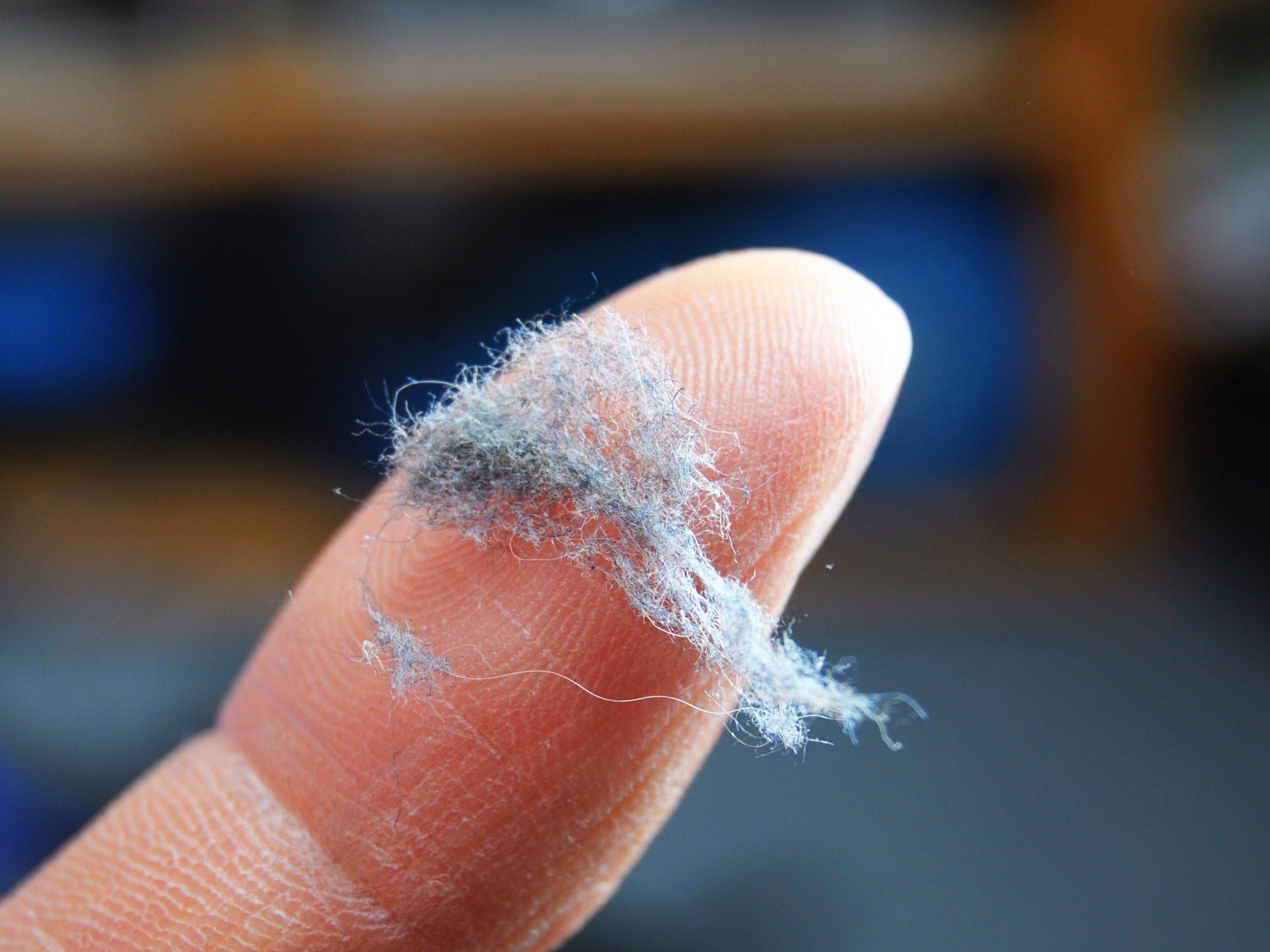
Dust includes tiny bits of skin, hair, fabric fibers, and dirt. It also has pollen, pet dander, and small pieces of dead insects. These particles float in the air and settle on surfaces. Dust is made of both natural and man-made materials.
Impact On Air Quality
Dust lowers the quality of indoor air. It can cause sneezing, coughing, and eye irritation. For people with allergies or asthma, dust makes breathing harder. Dust particles carry bacteria and allergens that affect health. Cleaner air means fewer health problems and better comfort.
Areas Prone To Dust Accumulation
Dust gathers in places with little cleaning or poor airflow. Carpets, curtains, and upholstery hold a lot of dust. Shelves, corners, and under furniture are common dust traps. Electronic devices and vents also collect dust quickly. Regular cleaning reduces dust build-up in these areas.
Choosing The Right Air Purifier
Choosing the right air purifier is important to reduce dust in your home. Not all air purifiers work the same way. The right one depends on your room size, filter type, and how often you maintain it. Understanding these points helps you pick the best option for cleaner air.
Filter Types For Dust Removal
HEPA filters are best for trapping dust particles. They catch tiny dust bits that float in the air. Some air purifiers use activated carbon filters, but these help more with odors than dust. Pre-filters can catch larger dust before it reaches the HEPA filter. A good air purifier often uses a combination of these filters.
Room Size And Airflow Considerations
Air purifiers come with coverage limits. Choose one that fits your room size. A small purifier in a large room won’t clean dust well. Airflow rate shows how fast the purifier cleans air. Higher airflow means faster dust removal. Check the Clean Air Delivery Rate (CADR) for dust. It tells how much dust the purifier can remove per minute.
Maintenance And Filter Replacement
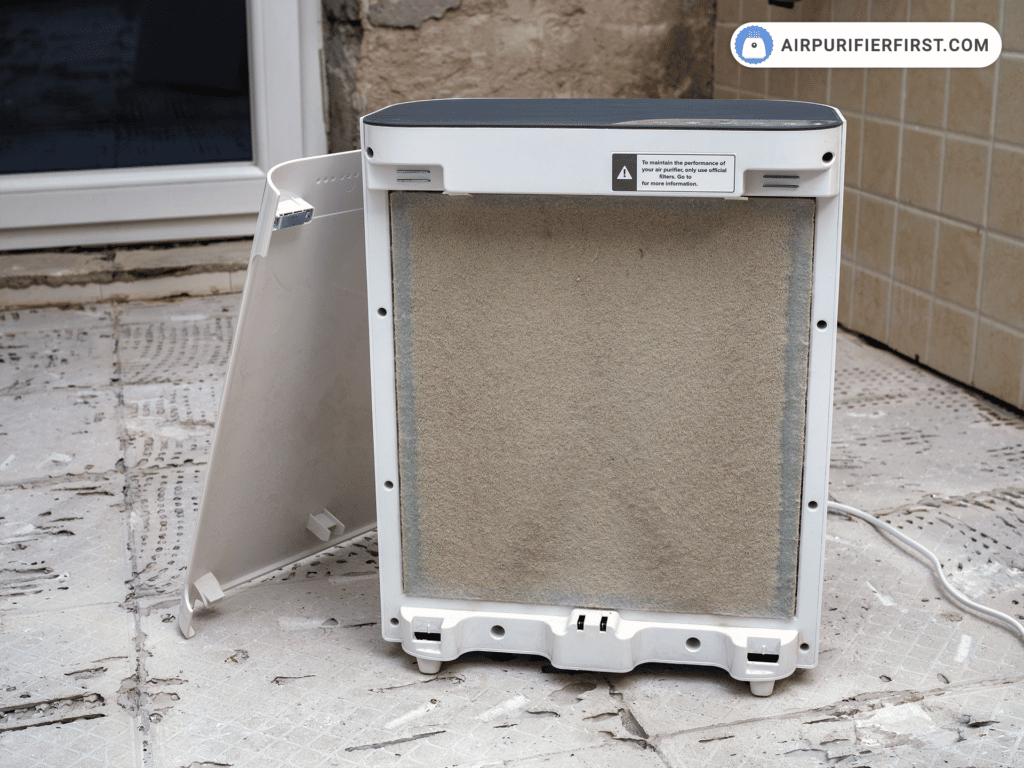
Regular maintenance keeps the air purifier working well. Filters get dirty and lose efficiency over time. Change filters as the manufacturer suggests. Some purifiers have indicator lights for filter replacement. Clean pre-filters often to extend the main filter’s life. Proper care helps the purifier remove dust effectively.
Limitations Of Air Purifiers
Air purifiers help improve indoor air quality by capturing dust and pollutants. They are useful but not perfect. Understanding their limits helps set real expectations about what they can do.
Dust That Settles On Surfaces
Air purifiers clean dust from the air but not from surfaces. Dust on furniture, floors, and walls remains until cleaned physically. Regular dusting and vacuuming are necessary to reduce settled dust.
Air Purifier Placement
Where you place an air purifier affects its performance. Put it in open areas for better air circulation. Avoid corners, behind furniture, or near walls. Poor placement limits how much dust the purifier can capture.
Other Indoor Pollution Factors
Dust is only one part of indoor pollution. Air purifiers may not remove gases, odors, or all allergens. Some pollutants need special filters or other solutions. Air quality depends on many factors beyond dust alone.
Supplementary Dust Control Methods
Air purifiers help reduce dust, but they cannot do it alone. Combining other dust control methods helps create a cleaner indoor space. These methods work well alongside air purifiers to keep dust levels low and improve air quality.
Regular Cleaning Practices
Dust settles on surfaces daily. Wiping furniture, shelves, and floors removes dust before it spreads. Vacuuming with a HEPA filter traps dust particles effectively. Clean often to stop dust from building up. Regular cleaning keeps dust under control.
Humidity Control
Dust sticks less to surfaces when humidity stays balanced. Use a humidifier or dehumidifier to keep indoor humidity between 40-50%. Proper humidity reduces dust movement in the air. It also prevents mold and allergens from growing.
Using Air Purifiers With Other Tools
Combine air purifiers with dust traps like curtains and mats. Use washable curtains and rugs to catch dust particles. Seal windows and doors to reduce dust entry. These tools support air purifiers and improve dust removal.
Health Benefits Of Dust Reduction
Reducing dust in your home improves overall health. Dust contains tiny particles that irritate the body. Removing dust helps create a cleaner, safer space. This leads to many health benefits for all family members.
Allergy Relief
Dust often carries allergens like pollen and pet dander. These allergens cause sneezing, itching, and watery eyes. Lower dust levels reduce allergy symptoms. People with allergies feel much better with less dust.
Improved Respiratory Health
Breathing in dust can harm the lungs. Dust particles irritate airways and cause coughing. Reducing dust helps lungs work better. It lowers the risk of asthma attacks and breathing problems.
Better Sleep Quality
Dust in the air can disturb sleep. Allergens and dust cause congestion and sneezing. Cleaner air means fewer nighttime irritations. This helps you fall asleep faster and rest deeply.
:max_bytes(150000):strip_icc()/GettyImages-1437264927-ddde19bc9adf470e9a21563cb3e31d15.jpg)
Credit: www.thespruce.com
Frequently Asked Questions
Will An Air Purifier Completely Remove Dust?
An air purifier significantly reduces airborne dust but may not remove all dust. It filters particles, improving air quality. Regular cleaning complements purification for best dust control results.
How Effective Are Air Purifiers Against Dust Particles?
Air purifiers with HEPA filters capture up to 99. 97% of dust particles. They trap fine dust and allergens, enhancing indoor air quality effectively.
Can Air Purifiers Reduce Dust Allergies?
Yes, air purifiers reduce dust allergens by trapping dust mites and particles. This helps alleviate allergy symptoms and improves breathing comfort.
Do Air Purifiers Clean Dust From Surfaces?
Air purifiers clean airborne dust but don’t remove dust settled on surfaces. Regular dusting and vacuuming are needed alongside purifiers for clean surfaces.
Conclusion
Air purifiers can help reduce dust in your home. They trap many tiny dust particles from the air. Still, they do not remove dust from surfaces. Regular cleaning is necessary to keep dust away. Using an air purifier and cleaning together works best.
Choose a purifier with a good filter for better results. This helps create a cleaner, healthier living space. Dust control takes effort, but it is possible. Keep your home fresh and breathe easier every day.
As an Amazon Associate, I earn from qualifying purchases.